

Views: 221 Author: Site Editor Publish Time: 2025-05-06 Origin: Site


Content Menu
● Understanding Bailey Bridges
● Factors to Consider for Permanent Installation
>> Span Length
>> Future Expansion and Adaptability
● Frequently Asked Questions regarding Bailey Bridges And Their Use for Permanent Installations
>> 1. What are the typical lifespan and maintenance costs for a permanent Bailey bridge installation?
>> 4. Can Bailey bridges be modified for increased load capacity in the future?
>> 5. What are the environmental considerations when installing a Bailey bridge?
Bailey bridges are a type of modular bridge that can be quickly assembled and disassembled. Originally designed for military use during World War II, these bridges have found applications in various civil engineering projects due to their versatility and ease of construction. When considering the use of a Bailey bridge for a permanent installation, several factors must be taken into account. This article will explore these factors in detail, providing a comprehensive understanding of the considerations involved in selecting a Bailey bridge for long-term use.
Bailey bridges are prefabricated, portable bridges made from steel components. They are designed to be assembled on-site without the need for heavy machinery, making them ideal for temporary and emergency situations. The design was developed by Sir Donald Bailey in the early 1940s, and its modular nature allows for quick deployment and adaptability to various spans and load requirements. The historical significance of Bailey bridges cannot be overstated, as they played a crucial role in military logistics and have since evolved into a reliable solution for civil engineering challenges. Their ability to be rapidly deployed in conflict zones and disaster-stricken areas has made them a vital asset in both military and humanitarian efforts.
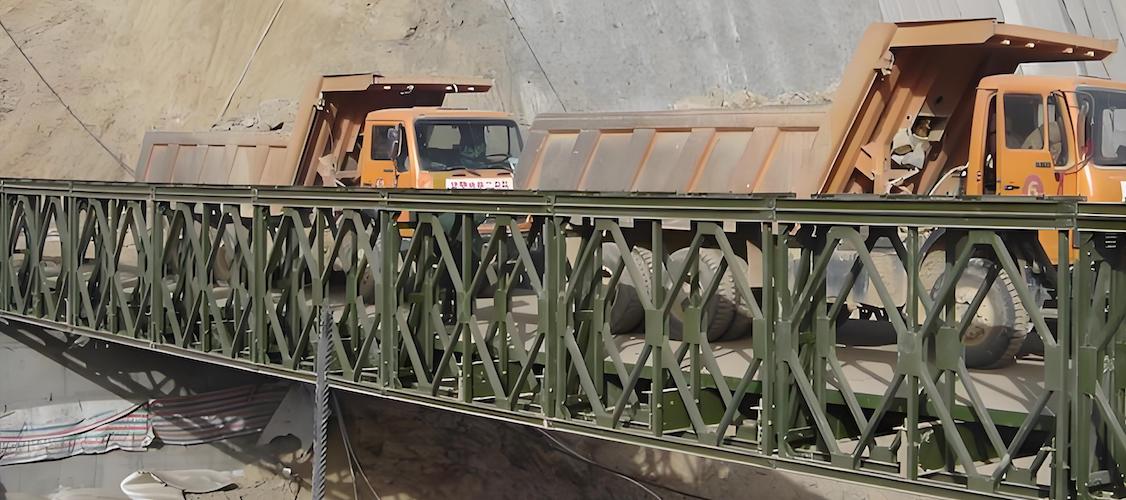
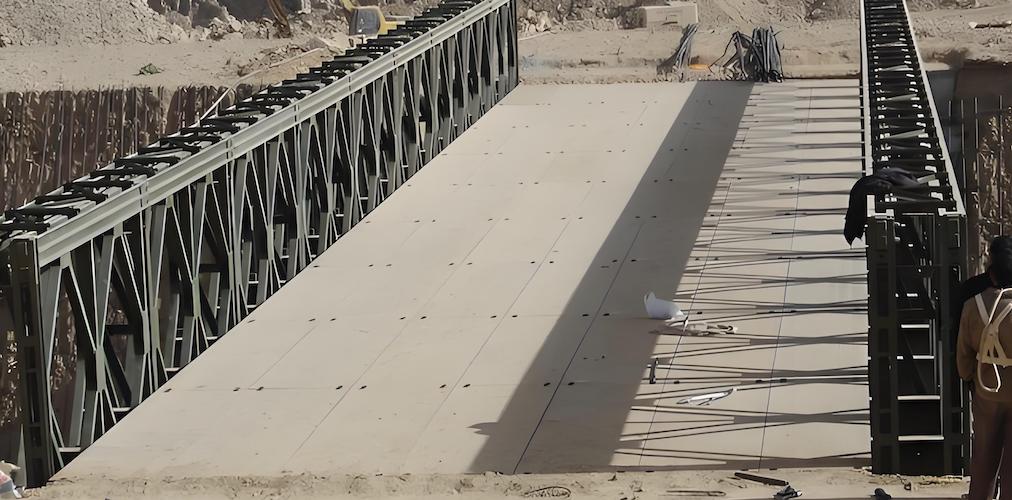
Bailey bridges consist of a series of panels that can be connected to form a bridge of varying lengths and widths. The panels are typically made of high-strength steel, providing durability and resistance to environmental factors. The modular design allows for easy transportation and assembly, making Bailey bridges a popular choice for both temporary and permanent installations. The structural integrity of these bridges is enhanced by their design, which distributes loads evenly across the panels. This characteristic not only contributes to their strength but also allows for flexibility in design, enabling engineers to customize the bridge to meet specific site requirements. Additionally, the use of high-strength materials ensures that Bailey bridges can withstand harsh weather conditions, making them suitable for a variety of environments.
One of the primary considerations when deciding to use a Bailey bridge for a permanent installation is its load capacity. The bridge must be able to support the expected traffic loads, including vehicles, pedestrians, and any additional equipment that may cross it. Engineers must conduct thorough calculations to determine the maximum load the bridge can safely bear, taking into account factors such as dynamic loads, impact loads, and environmental conditions. Understanding the load capacity is crucial not only for safety but also for ensuring that the bridge can accommodate future increases in traffic or heavier vehicles. This foresight can prevent costly modifications or replacements down the line. Additionally, load testing may be conducted to validate the bridge's performance under real-world conditions, providing further assurance of its reliability.
The span length of the Bailey bridge is another critical factor. Bailey bridges can be configured to accommodate various span lengths, but the chosen length must align with the specific site conditions and requirements. Longer spans may require additional support or modifications to the design, which can impact the overall cost and feasibility of the project. The selection of span length is not only a technical decision but also one that can influence the bridge's aesthetic integration into the landscape. Engineers must balance the need for structural integrity with the desire for a visually appealing design. Furthermore, the span length can affect the construction timeline, as longer spans may necessitate more complex assembly procedures and additional resources.
The geographical and environmental conditions of the installation site play a significant role in the decision-making process. Factors such as soil type, topography, and hydrology must be assessed to ensure the bridge can be safely anchored and will remain stable over time. Additionally, the presence of nearby structures, utilities, and natural features must be considered to avoid potential conflicts during construction and operation. A thorough site analysis can reveal challenges that may not be immediately apparent, such as soil erosion or flooding risks, which could impact the bridge's long-term viability. Engaging geotechnical engineers to conduct soil tests and assessments can provide valuable insights into the best foundation options and anchoring techniques for the bridge.
While Bailey bridges are designed for durability, their long-term performance depends on proper maintenance. When considering a permanent installation, it is essential to evaluate the maintenance requirements of the bridge. This includes regular inspections, repairs, and potential upgrades to ensure the bridge remains safe and functional throughout its lifespan. The availability of maintenance resources and expertise in the area should also be factored into the decision. Establishing a maintenance plan that outlines inspection schedules, repair protocols, and budget considerations can help ensure that the bridge remains in optimal condition. Additionally, advancements in technology, such as the use of sensors for real-time monitoring, can enhance maintenance efforts by providing early warnings of potential issues.
Although functionality is paramount, aesthetic considerations should not be overlooked. A Bailey bridge may not blend seamlessly with its surroundings, particularly in scenic or urban areas. Engineers and architects should collaborate to design a bridge that meets structural requirements while also enhancing the visual appeal of the location. This may involve selecting appropriate colors, materials, and architectural features that complement the environment. The integration of aesthetic elements can significantly impact public perception and acceptance of the bridge, making it an important aspect of the design process. Community engagement in the design phase can also provide valuable feedback on aesthetic preferences, ensuring that the final product resonates with local residents.
The overall cost of installing a Bailey bridge is a crucial factor in the decision-making process. This includes not only the initial construction costs but also ongoing maintenance and potential future upgrades. A thorough cost-benefit analysis should be conducted to compare the Bailey bridge with other bridge types, considering factors such as lifespan, maintenance needs, and the potential for future modifications. Understanding the total cost of ownership can help stakeholders make informed decisions that align with budget constraints and project goals. Additionally, exploring funding options, grants, and partnerships can provide financial support for the project, making it more feasible.
Before proceeding with a permanent installation, it is essential to ensure that the Bailey bridge complies with all relevant regulations and standards. This includes local, state, and federal guidelines governing bridge construction and safety. Engaging with regulatory bodies early in the planning process can help identify any potential issues and streamline the approval process. Compliance not only ensures the safety and legality of the bridge but also protects the interests of the community and stakeholders involved. Understanding the regulatory landscape can also inform design choices, as certain standards may dictate specific materials, construction methods, or safety features that must be incorporated into the bridge.
The environmental impact of constructing a Bailey bridge must be carefully evaluated. This includes assessing potential effects on local ecosystems, water quality, and wildlife habitats. Environmental assessments may be required to identify any necessary mitigation measures to minimize the bridge's impact on the surrounding area. Sustainable practices should be prioritized to ensure that the installation aligns with environmental conservation efforts. Implementing eco-friendly materials and construction methods can enhance the project's sustainability profile, while also addressing community concerns about environmental preservation. Additionally, monitoring the bridge's impact over time can provide valuable data for future projects and inform best practices in bridge construction.
Engaging with the local community is an important aspect of the decision-making process. Community input can provide valuable insights into the needs and concerns of residents who may be affected by the bridge. Public meetings, surveys, and consultations can help gather feedback and foster a sense of ownership among community members. Addressing community concerns can also enhance the project's acceptance and support. Building strong relationships with local stakeholders can facilitate smoother project execution and create opportunities for collaboration on future initiatives. Furthermore, involving the community in the planning process can lead to innovative solutions that better meet local needs.
When planning for a permanent installation, it is essential to consider the potential for future expansion or modifications. The chosen design should allow for adaptability to accommodate changing traffic patterns, increased loads, or additional features. This foresight can save time and resources in the long run, ensuring that the bridge remains relevant and functional as community needs evolve. Designing for adaptability may involve incorporating modular components that can be easily replaced or upgraded, as well as ensuring that the bridge's foundation can support future enhancements. This proactive approach can help mitigate the risks associated with unforeseen changes in traffic or infrastructure demands.
Deciding to use a Bailey bridge for a permanent installation involves careful consideration of various factors, including load capacity, span length, site conditions, durability, aesthetics, cost implications, regulatory compliance, environmental impact, community input, and future adaptability. By thoroughly evaluating these aspects, engineers and decision-makers can ensure that the chosen bridge meets the needs of the community while providing a safe and reliable structure for years to come. Bailey bridges offer a unique solution for many civil engineering challenges, and with proper planning and execution, they can serve as effective long-term installations. The thoughtful integration of engineering principles, community engagement, and environmental stewardship will ultimately lead to successful and sustainable bridge projects that enhance connectivity and support local development.
A Bailey bridge can have a lifespan of 30 to 50 years with proper maintenance. Maintenance costs vary based on environmental conditions and usage but typically range from 1% to 3% of the initial construction cost annually. Regular inspections and timely repairs are essential to prolong the bridge's life.
Bailey bridges are generally more cost-effective for short to medium spans compared to traditional concrete or steel bridges. While concrete bridges can last longer (50 to 100 years), Bailey bridges offer quicker installation and lower initial costs. However, the long-term maintenance costs for Bailey bridges may be higher due to their susceptibility to corrosion and wear.
Recent advancements include the use of weathering steel, which develops a protective rust layer that reduces corrosion. Additionally, some designs incorporate composite materials and coatings that enhance resistance to environmental factors, improving the overall durability and lifespan of Bailey bridges.
Yes, Bailey bridges are modular in design, allowing for modifications to increase load capacity. Engineers can add additional panels or reinforcements to accommodate heavier traffic or changing usage patterns, making them adaptable to future needs.
Environmental considerations include assessing the impact on local ecosystems, water quality, and wildlife habitats. Conducting environmental impact assessments is crucial to identify potential effects and implement mitigation measures, such as erosion control and habitat preservation, to minimize the bridge's ecological footprint.


