

Views: 221 Author: Site Editor Publish Time: 2025-04-11 Origin: Site


Content Menu
● Understanding Modular Bridges
>> Advantages of Modular Bridges
● Maintenance Requirements for Modular Bridges
>>> Expansion Joints
>>> Cleaning
>>> Replacement of Worn Components
>>> Load Testing
>>> Material Testing
● Long-Term Maintenance Strategies
>> Developing a Maintenance Plan
>>> Repair Methods
>>> Safety Protocols
● Frequently Asked Questions regarding Modular Bridges
>> 1. What are the most common causes of modular bridge failure?
>> 2. How do climate and environmental factors affect modular bridge maintenance?
>> 3. What new technologies are being used to monitor and maintain modular bridges?
>> 4. What are the key components of a modular bridge that require regular maintenance?
>> 5. How often should modular bridges be inspected?
Modular bridges have gained popularity in recent years due to their versatility, rapid installation, and cost-effectiveness. However, like all infrastructure, they require regular maintenance to ensure safety, longevity, and functionality. This article explores the maintenance requirements for modular bridges over time, detailing the various aspects that contribute to their upkeep.
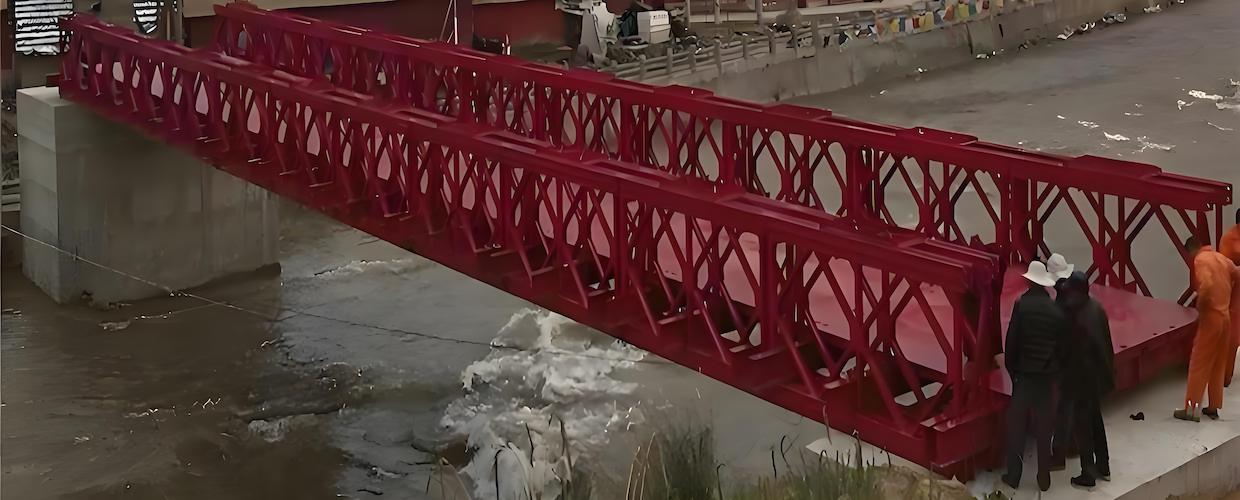
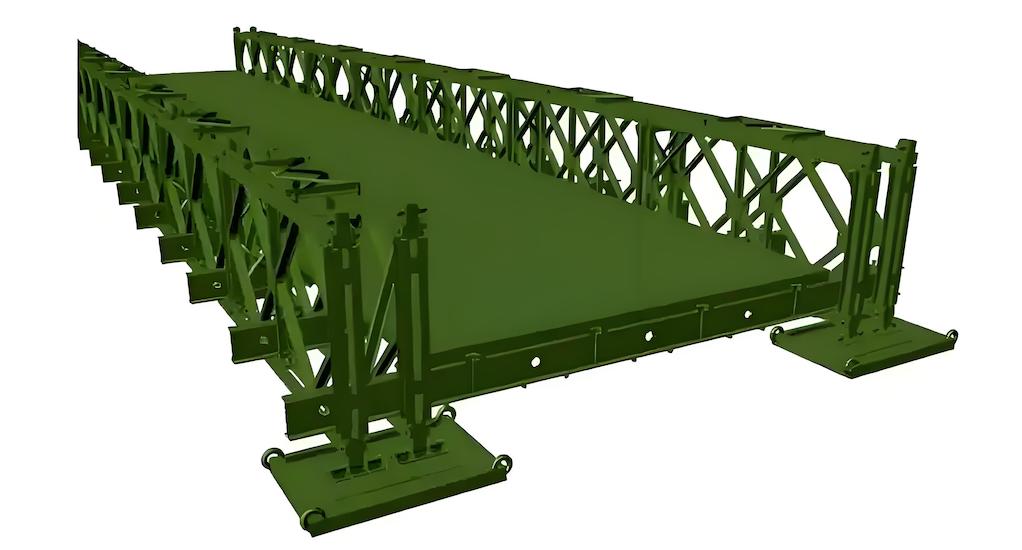
Modular bridges are prefabricated structures made from standardized components that can be easily assembled and disassembled. These bridges are designed to span various distances and can be used in a wide range of applications, from pedestrian walkways to vehicular crossings. The modular design allows for quick installation, making them ideal for emergency situations or temporary needs. The components typically include beams, decks, and joints, which are manufactured in controlled environments to ensure quality and precision. This method of construction not only enhances the structural integrity of the bridges but also allows for customization based on specific site requirements.
The primary advantages of modular bridges include:
Speed of Construction: Modular components can be manufactured off-site and quickly assembled on-site, reducing construction time significantly. This rapid deployment is particularly beneficial in emergency scenarios where immediate access is required, such as after natural disasters.
Cost-Effectiveness: The use of prefabricated parts often lowers labor costs and minimizes material waste. Additionally, the reduced construction time translates to lower overall project costs, making modular bridges an attractive option for municipalities and organizations with limited budgets.
Flexibility: Modular bridges can be easily modified or expanded to meet changing needs. This adaptability is crucial in urban environments where traffic patterns and infrastructure demands can shift over time.
Reduced Disruption: Quick installation minimizes traffic disruption and environmental impact. By limiting the duration of construction activities, modular bridges help maintain local traffic flow and reduce the inconvenience to residents and businesses.
Regular inspections are crucial for maintaining the integrity of modular bridges. These inspections should be conducted by qualified personnel and should focus on several key areas:
Inspecting the structural components, including beams, joints, and supports, is essential to identify any signs of wear or damage. This includes checking for cracks, corrosion, and other forms of deterioration that could compromise the bridge's safety. Regular assessments help in early detection of issues, allowing for timely repairs that can prevent more extensive damage and costly repairs in the future.
Expansion joints are critical in modular bridges as they accommodate movement due to temperature changes and traffic loads. Regular checks should ensure that these joints are functioning correctly and are free from debris that could hinder their operation. Proper maintenance of expansion joints is vital to prevent water infiltration, which can lead to corrosion and structural weakening over time.
Bearings and supports must be inspected to ensure they are functioning properly. This includes checking for any signs of wear or misalignment that could affect the bridge's stability. Bearings play a crucial role in allowing the bridge to move and flex under load, and any failure in this component can lead to significant structural issues.
Preventive maintenance involves routine actions taken to prevent deterioration and extend the life of the bridge. Key activities include:
Regular cleaning of the bridge surface and components is necessary to remove debris, dirt, and other materials that could lead to corrosion or structural issues. This is particularly important for expansion joints and drainage systems, which can become clogged and lead to water accumulation. Effective cleaning practices not only enhance the bridge's appearance but also contribute to its longevity by preventing the buildup of harmful substances.
Applying protective coatings to steel components can help prevent rust and corrosion. Sealing joints and connections with appropriate materials ensures water tightness and protects against environmental factors. The choice of sealants and coatings should be based on the specific environmental conditions the bridge is exposed to, such as humidity, temperature fluctuations, and exposure to chemicals.
Components that show signs of significant wear, such as bearings, seals, and expansion joints, should be replaced promptly to prevent further damage to the bridge structure. Timely replacement of these components is essential to maintain the overall safety and functionality of the bridge, ensuring it can withstand the demands of traffic and environmental conditions.
Conducting detailed condition assessments is vital for identifying potential issues before they become serious problems. These assessments should include:
Load testing can help determine the bridge's capacity and identify any weaknesses in the structure. This is particularly important for older modular bridges that may not have been designed to current standards. Load testing provides valuable data that can inform maintenance decisions and help prioritize repairs based on the bridge's actual performance under load.
Testing the materials used in the bridge's construction can provide insights into their durability and performance over time. This includes checking for corrosion in steel components and assessing the integrity of concrete elements. Material testing can help identify areas that may require reinforcement or replacement, ensuring the bridge remains safe and functional.
In the event of damage due to accidents, severe weather, or other unforeseen circumstances, emergency repairs may be necessary. These repairs should be conducted promptly to ensure the safety of users and prevent further deterioration of the bridge. Establishing a clear protocol for emergency repairs can help streamline the response process and minimize downtime.
A comprehensive maintenance plan is essential for the long-term upkeep of modular bridges. This plan should outline:
Establishing a regular inspection schedule helps ensure that all components are checked systematically. This schedule should be based on the bridge's usage, environmental conditions, and manufacturer recommendations. A well-defined schedule allows for proactive maintenance, reducing the likelihood of unexpected failures.
Clearly defined maintenance procedures should be documented to guide maintenance personnel in performing necessary tasks. This includes detailed instructions for cleaning, repairs, and component replacements. Standardizing maintenance procedures can enhance efficiency and ensure consistency in the quality of maintenance work.
Allocating a budget for maintenance activities is crucial to ensure that funds are available for necessary repairs and inspections. This budget should account for both routine maintenance and unexpected repairs. Proper financial planning can help prevent delays in maintenance activities due to funding shortages.
Ensuring that maintenance personnel are properly trained and certified is vital for the effective upkeep of modular bridges. Training programs should cover:
Personnel should be trained in the latest inspection techniques and technologies to accurately assess the condition of the bridge. This includes understanding how to use specialized equipment and software for monitoring bridge health.
Understanding the proper methods for repairing and replacing components is essential for maintaining the bridge's integrity. Training should include hands-on experience with various repair techniques and materials.
Safety training is critical to ensure that maintenance personnel can perform their duties without risking their safety or the safety of others. This includes understanding the potential hazards associated with bridge maintenance and the proper use of personal protective equipment.
Maintaining modular bridges is essential for ensuring their safety, functionality, and longevity. Regular inspections, preventive maintenance, and a well-developed maintenance plan are key components of an effective maintenance strategy. By prioritizing these aspects, infrastructure managers can ensure that modular bridges continue to serve their intended purpose for many years to come. The proactive approach to maintenance not only enhances the lifespan of the bridges but also contributes to the overall safety and efficiency of transportation networks.
Modular bridge failures can occur due to several factors, including:
Poor Design: Inadequate engineering or design flaws can lead to structural weaknesses.
Material Fatigue: Over time, materials can degrade due to repeated stress and environmental exposure.
Corrosion: Exposure to moisture and chemicals can lead to rust and deterioration of steel components.
Improper Installation: If modular components are not installed correctly, it can result in misalignment and stress concentrations.
Lack of Maintenance: Neglecting regular inspections and maintenance can allow small issues to escalate into major failures.
Climate and environmental factors significantly impact the maintenance needs of modular bridges. For instance:
Temperature Fluctuations: Extreme temperature changes can cause expansion and contraction, affecting joints and bearings.
Moisture and Rain: High humidity and rainfall can lead to corrosion and water infiltration, necessitating regular sealing and drainage maintenance.
Snow and Ice: Accumulation of snow and ice can add extra weight and stress on the bridge, requiring additional inspections and snow removal strategies.
Chemical Exposure: De-icing agents and pollutants can accelerate material degradation, particularly in steel components.
Recent advancements in technology have enhanced the monitoring and maintenance of modular bridges, including:
Structural Health Monitoring Systems: These systems use sensors to continuously monitor the condition of the bridge, detecting stress, vibrations, and potential failures in real-time.
Drones: Drones equipped with cameras can perform visual inspections of hard-to-reach areas, providing detailed imagery for analysis.
3D Scanning: Laser scanning technology can create precise models of the bridge, allowing for detailed assessments of structural integrity.
Predictive Maintenance Software: This software analyzes data from inspections and monitoring systems to predict when maintenance will be needed, helping to optimize maintenance schedules.
Key components of a modular bridge that require regular maintenance include:
Expansion Joints: These allow for movement and must be kept clear of debris to function properly.
Bearings: Bearings support the bridge structure and need to be inspected for wear and proper alignment.
Decking: The surface of the bridge must be maintained to prevent deterioration and ensure safety for users.
Support Structures: Columns and piers should be checked for signs of cracking or corrosion.
Drainage Systems: Proper drainage is essential to prevent water accumulation, which can lead to structural damage.
The frequency of inspections for modular bridges can vary based on several factors, including:
Traffic Volume: Bridges with higher traffic volumes may require more frequent inspections.
Environmental Conditions: Bridges in harsh climates or exposed to corrosive elements may need more regular checks.
Age of the Bridge: Older bridges typically require more frequent inspections to monitor for wear and deterioration.
Regulatory Requirements: Local regulations may dictate specific inspection intervals, often ranging from annually to every few years. Regular inspections are crucial for maintaining safety and identifying issues early.


