

Views: 221 Author: Site Editor Publish Time: 2025-04-25 Origin: Site


Content Menu
● Historical Context of Bailey Bridges
● Key Advantages of Bailey Bridges
● Applications of Bailey Bridges
>> Military Use
● Frequently Asked Questions regarding Bailey Bridge
>> 1. What are the limitations of using Bailey bridges in modern construction?
>> 2. How do Bailey bridges compare to other types of temporary bridges?
>> 3. What innovations are being developed to improve Bailey bridge technology?
>> 4. Can Bailey bridges be used for permanent installations?
>> 5. How do environmental factors affect the installation of Bailey bridges?
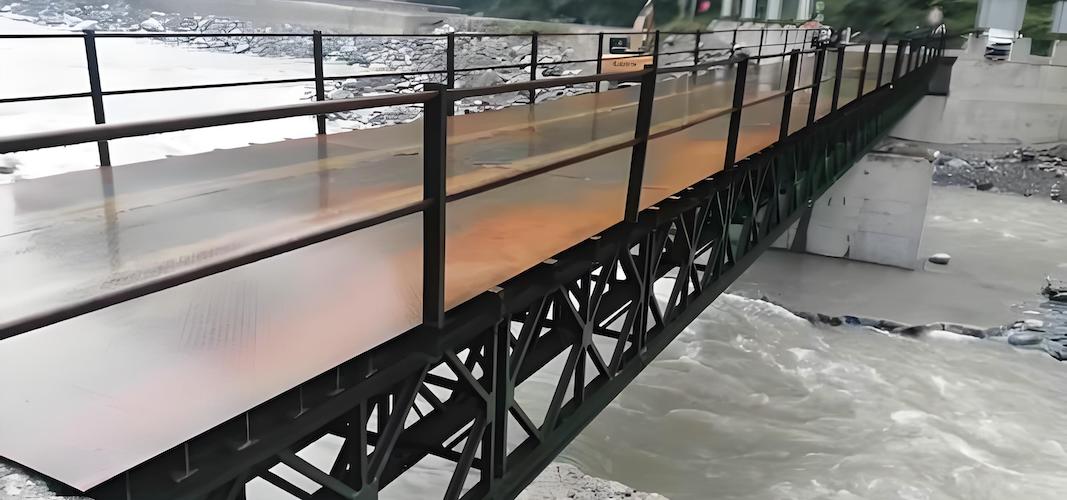
Bailey bridges are a type of portable, pre-fabricated truss bridge that can be assembled quickly and efficiently. Originally designed during World War II for military use, these bridges have since found a wide range of applications in both civilian and military contexts. Their unique design and construction methods offer numerous advantages, making them a popular choice for temporary and permanent bridge solutions. This article explores the main advantages of Bailey bridges, highlighting their versatility, cost-effectiveness, and ease of use.
The Bailey bridge was developed in the early 1940s by the British engineer Sir Donald Bailey. The design was intended to provide a quick and efficient means of crossing obstacles such as rivers and ravines, particularly in wartime scenarios. The modular nature of the bridge allowed for rapid deployment and assembly, which was crucial for military operations. Over the years, the design has evolved, but the core principles of modularity and ease of assembly remain. The Bailey bridge's design was revolutionary for its time, allowing for the use of standard materials and components that could be manufactured in large quantities. This standardization not only facilitated mass production but also ensured that the bridges could be easily repaired or modified in the field, enhancing their utility in dynamic combat situations.
Initially, Bailey bridges were used extensively by military forces during World War II. Their ability to be transported easily and assembled quickly made them invaluable for advancing troops. They provided essential support for logistics and troop movements, allowing armies to maintain momentum in challenging terrains. The success of Bailey bridges in military applications laid the groundwork for their adoption in civilian infrastructure projects. After the war, many countries recognized the potential of Bailey bridges for civilian use, leading to their incorporation into disaster relief efforts and infrastructure development. The lessons learned from their military applications have informed modern engineering practices, emphasizing the importance of rapid response capabilities in both military and civilian contexts.
One of the most significant advantages of Bailey bridges is their rapid deployment capability. The modular design allows for quick assembly, often within a matter of hours. This is particularly beneficial in emergency situations where immediate access is required, such as after natural disasters or in conflict zones. The ability to set up a bridge quickly can restore vital transportation links and facilitate the movement of aid and resources. In addition to emergency scenarios, rapid deployment is also advantageous for construction projects that require temporary crossings. For instance, during road construction or maintenance, Bailey bridges can provide a seamless solution that minimizes disruption to traffic flow, allowing for efficient project completion.
Bailey bridges are often more cost-effective than traditional bridge construction methods. The materials used in their construction are generally less expensive, and the reduced labor costs associated with their quick assembly contribute to overall savings. Additionally, the ability to reuse components for multiple projects further enhances their cost-effectiveness. This makes Bailey bridges an attractive option for municipalities and organizations with limited budgets. Furthermore, the long-term savings associated with reduced maintenance and the potential for reusing materials can significantly lower the overall lifecycle costs of infrastructure projects. As governments and organizations seek to maximize their budgets, the financial advantages of Bailey bridges become increasingly appealing.
Bailey bridges come in various designs and configurations, allowing them to be adapted to different site conditions and load requirements. They can be constructed in various lengths and widths, making them suitable for a wide range of applications, from pedestrian walkways to heavy vehicle crossings. This versatility ensures that Bailey bridges can meet the specific needs of different projects, whether temporary or permanent. Moreover, the design can be customized to accommodate specific environmental conditions, such as flood-prone areas or rugged terrains. This adaptability not only enhances the functionality of the bridges but also allows for creative engineering solutions that can address unique challenges faced by different communities.
The lightweight nature of Bailey bridges is another significant advantage. The components are designed to be easily transported, which is essential for projects in remote or difficult-to-access locations. The portability of these bridges means they can be moved from one site to another as needed, making them ideal for temporary installations or situations where infrastructure needs may change rapidly. This characteristic is particularly beneficial in regions where traditional construction methods may be hindered by logistical challenges. The ability to transport and install Bailey bridges with minimal equipment reduces the reliance on heavy machinery, making them a more sustainable option for infrastructure development in sensitive environments.
Bailey bridges require minimal site preparation compared to traditional bridge construction. This reduces the time and resources needed to prepare a site for installation. In many cases, the existing terrain can be utilized without extensive grading or excavation. This not only speeds up the construction process but also minimizes environmental impact, making Bailey bridges a more sustainable option. The reduced need for heavy machinery and extensive groundwork also lowers the carbon footprint associated with bridge construction. As environmental concerns become increasingly important in infrastructure planning, the eco-friendly aspects of Bailey bridges position them as a responsible choice for modern engineering projects.
Despite their lightweight design, Bailey bridges are known for their strength and durability. The truss design distributes loads evenly, allowing them to support significant weight while maintaining structural integrity. This makes them suitable for various applications, including heavy traffic and military vehicles. The materials used in their construction are also resistant to corrosion and wear, ensuring a long lifespan with minimal maintenance. The robust nature of Bailey bridges means they can withstand harsh weather conditions and heavy usage, making them a reliable choice for both temporary and permanent installations. This durability is particularly important in regions prone to extreme weather events, where infrastructure must be resilient to ensure continued functionality.
Maintenance of Bailey bridges is relatively straightforward. The modular components can be easily inspected and replaced if necessary, which simplifies upkeep. Regular maintenance checks can help identify any potential issues before they become significant problems, ensuring the bridge remains safe and functional over time. This ease of maintenance is particularly advantageous for organizations that may not have extensive resources for infrastructure upkeep. Additionally, the ability to quickly replace or repair individual components without disrupting the entire structure enhances the longevity of the bridge. As infrastructure ages, the maintenance-friendly design of Bailey bridges becomes a critical factor in ensuring their continued use and safety.
Bailey bridges are often deployed in emergency response situations, such as after natural disasters like floods or earthquakes. Their rapid assembly allows for quick restoration of transportation routes, enabling the delivery of aid and resources to affected areas. In these scenarios, the ability to establish a reliable crossing can be a matter of life and death, making Bailey bridges an essential tool for disaster response teams. Furthermore, their use in emergency situations extends beyond immediate disaster relief; they can also facilitate long-term recovery efforts by providing a stable infrastructure that supports rebuilding initiatives. The adaptability of Bailey bridges allows them to be integrated into broader recovery plans, ensuring that communities can regain access to essential services and resources.
In addition to their historical military applications, Bailey bridges continue to be used by armed forces around the world. They provide a reliable means of crossing obstacles in various terrains, supporting troop movements and logistics. The ability to quickly establish a bridge can be crucial in military operations, allowing forces to maintain strategic advantages. Modern military applications also include the use of Bailey bridges in peacekeeping missions and humanitarian efforts, where rapid infrastructure deployment is necessary to support civilian populations. The ongoing relevance of Bailey bridges in military contexts underscores their versatility and effectiveness in a variety of operational scenarios.
Bailey bridges are increasingly being used in civil infrastructure projects. They can serve as temporary solutions for road closures or as permanent installations in areas where traditional bridge construction may be impractical. Their versatility allows them to be used in urban settings, rural areas, and even in remote locations where access is limited. As cities grow and infrastructure demands increase, the ability to quickly implement Bailey bridges can alleviate traffic congestion and improve connectivity. Additionally, their use in civil projects often aligns with sustainability goals, as they can be constructed with minimal environmental disruption and can be designed to blend into the surrounding landscape.
In addition to their practical applications, Bailey bridges can also be used in recreational settings. They can be installed in parks, nature reserves, and hiking trails to provide safe crossings over streams and ravines. Their aesthetic appeal, combined with their functionality, makes them a popular choice for enhancing outdoor recreational areas. The incorporation of Bailey bridges into recreational spaces not only improves accessibility but also encourages outdoor activities and community engagement. By providing safe and attractive crossings, these bridges can enhance the overall experience for visitors, promoting environmental stewardship and appreciation for natural landscapes.
Bailey bridges offer a range of advantages that make them a valuable solution for various applications. Their rapid deployment, cost-effectiveness, versatility, and ease of maintenance position them as a preferred choice for both temporary and permanent bridge solutions. As infrastructure needs continue to evolve, the role of Bailey bridges in emergency response, military operations, and civil engineering will likely expand, ensuring their relevance in the years to come. The combination of innovative design and practical functionality makes Bailey bridges an enduring solution for overcoming obstacles in transportation and infrastructure development. Their ability to adapt to changing needs and environments ensures that they will remain a critical component of modern engineering practices, providing essential support for communities around the world.
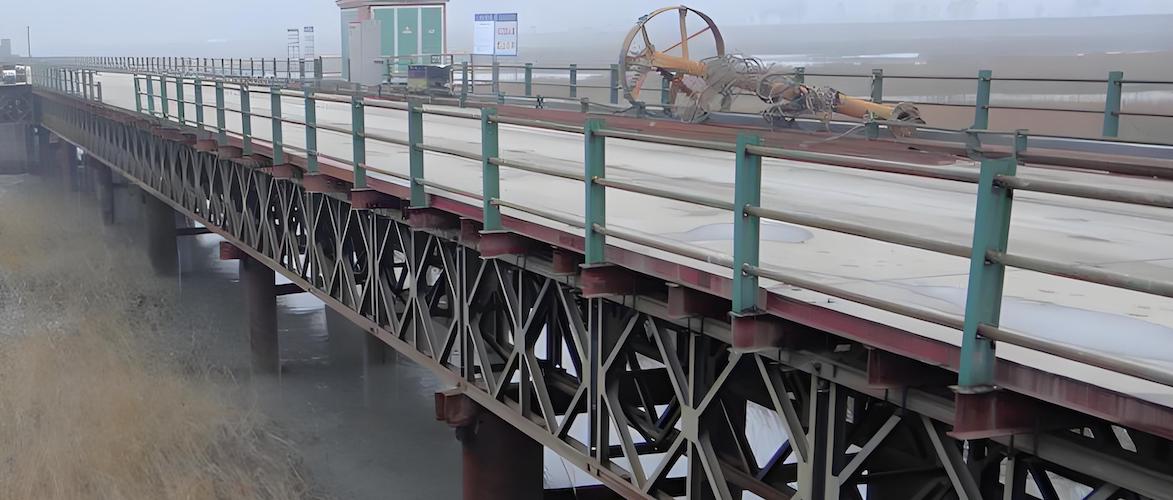
Bailey bridges have some limitations, including their load capacity, which may not be sufficient for very heavy vehicles or high traffic volumes. Additionally, their aesthetic appeal may not meet the standards for permanent structures in urban areas. They also require careful planning for site conditions, as uneven terrain can complicate installation.
Bailey bridges are often more cost-effective and quicker to deploy than other temporary bridge types, such as pontoon or modular bridges. However, they may not offer the same load capacity as some modern modular bridges. Bailey bridges are particularly advantageous in emergency situations due to their rapid assembly and portability.
Innovations in Bailey bridge technology include the use of advanced materials such as high-strength steel and composite materials to enhance durability and load capacity. Additionally, improvements in design software allow for better customization and optimization of bridge configurations to meet specific site requirements.
Yes, Bailey bridges can be used for permanent installations, especially in areas where traditional bridge construction is impractical. They are often employed in rural or remote locations where quick and cost-effective solutions are needed. However, aesthetic considerations may lead to modifications or coverings to improve their appearance.
Environmental factors such as soil stability, water levels, and weather conditions can significantly impact the installation of Bailey bridges. Proper site assessment is crucial to ensure that the bridge can be safely installed and will remain stable over time. Additionally, minimizing environmental disruption during installation is an important consideration for sustainable practices.


