

Views: 211 Author: Site Editor Publish Time: 2025-05-19 Origin: Site


Content Menu
● Understanding Temporary Movable Bridges
>> What Are Temporary Movable Bridges?
>> Importance of Temporary Movable Bridges
● Leading Temporary Movable Bridge Manufacturers in Turkey
>> 1. Waagner-Biro Bridge Systems
● Applications of Temporary Movable Bridges
● Factors to Consider When Choosing a Manufacturer
● Frequently Asked Questions regarding Temporary Movable Bridge Manufacturers in Turkey
>> 1. What are the typical costs associated with temporary movable bridges in Turkey?
>> 2. How do Turkish regulations impact the design and deployment of temporary bridges?
>> 3. What innovations are emerging in temporary bridge technology from Turkish manufacturers?
>> 4. What are the environmental considerations for temporary movable bridges?
>> 5. How long can temporary movable bridges be expected to last?
Temporary movable bridges play a crucial role in infrastructure development, especially in regions where permanent structures are not feasible due to budget constraints or time limitations. Turkey, with its strategic location and growing infrastructure needs, has several manufacturers specializing in temporary movable bridges. This article explores the best manufacturers in Turkey, their offerings, and the significance of their products in various applications.
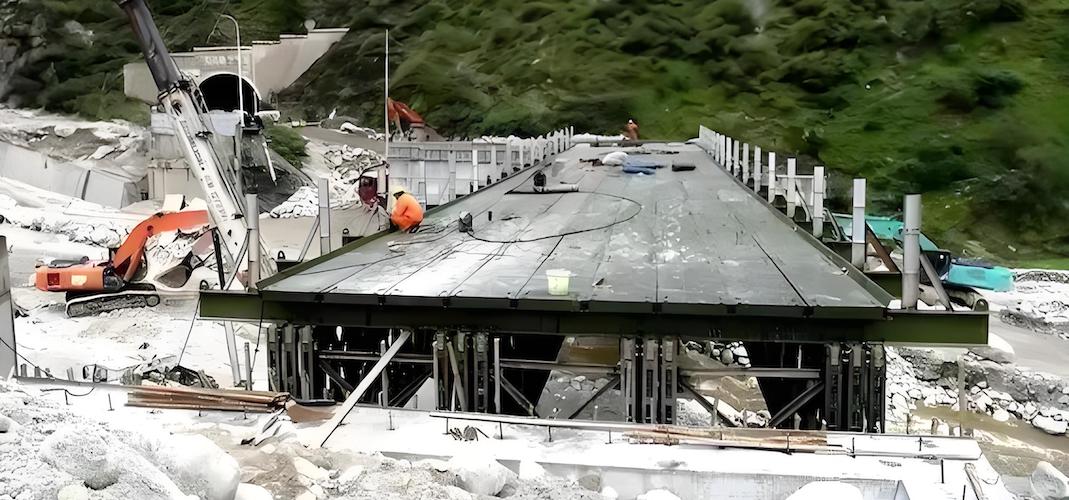
Temporary movable bridges are structures designed to be easily assembled and disassembled, providing essential access over obstacles like rivers or valleys. These bridges are often used in construction projects, emergency situations, or military operations where quick deployment is necessary. They can be designed to accommodate various loads and span lengths, making them versatile for different applications. The design of these bridges often incorporates advanced engineering techniques to ensure stability and safety, allowing them to support heavy vehicles and equipment while remaining lightweight enough for easy transport.
The significance of temporary movable bridges cannot be overstated. They provide immediate solutions for transportation needs, facilitate construction activities, and enhance connectivity in remote areas. Their ability to be relocated and reused makes them a cost-effective option for many projects. In addition, these bridges can be crucial in disaster response scenarios, where traditional infrastructure may be damaged or inaccessible. By enabling rapid access to affected areas, temporary movable bridges can help save lives and expedite recovery efforts, demonstrating their vital role in both everyday infrastructure and emergency management.
Waagner-Biro is a well-established name in the bridge manufacturing industry, known for its innovative solutions. The company offers a range of temporary and modular bridges that are designed for quick assembly and disassembly. Their products are built with high-quality materials, ensuring durability and reliability. Waagner-Biro's bridges are particularly suitable for construction sites, emergency access, and temporary roadways. The company also emphasizes sustainability in its manufacturing processes, using eco-friendly materials and practices that minimize environmental impact. This commitment to sustainability not only enhances their reputation but also aligns with global trends towards greener construction practices.
Mabey Bridge is another prominent manufacturer that specializes in modular and temporary bridge solutions. Their product range includes the Delta Bridge and Universal Bridge, which are designed for heavy-duty applications. Mabey's bridges are known for their strength, versatility, and ease of installation, making them ideal for both urban and rural settings. The company emphasizes rapid deployment, which is crucial for time-sensitive projects. Additionally, Mabey Bridge invests in research and development to continuously improve their products, incorporating the latest technologies and materials to enhance performance and safety. Their focus on customer service ensures that clients receive comprehensive support throughout the project lifecycle, from planning to installation and maintenance.
Botek Corporation focuses on providing comprehensive solutions for bridge and tunnel construction. They offer a variety of temporary bridge options that cater to different load requirements and span lengths. Botek's expertise in engineering and construction ensures that their bridges meet the highest safety standards while being cost-effective. The company also collaborates with local authorities and engineering firms to tailor their solutions to specific project needs, ensuring that each bridge is optimized for its intended use. This collaborative approach not only enhances the functionality of their products but also fosters strong relationships within the industry, positioning Botek as a trusted partner in infrastructure development.
Novelty Steel is recognized for its structural steel fabrications, including temporary bridges. The company utilizes modern CNC machinery to produce high-quality bridge components that can be assembled quickly on-site. Their focus on innovation and quality makes them a reliable choice for temporary bridge solutions in Turkey. Novelty Steel also places a strong emphasis on safety, implementing rigorous testing and quality control measures to ensure that every bridge component meets industry standards. By prioritizing safety and quality, Novelty Steel not only protects its clients but also contributes to the overall integrity of infrastructure projects across the country.
Temporary movable bridges are extensively used in construction projects where access is required over water bodies or difficult terrains. They allow for the transportation of materials and personnel, ensuring that projects stay on schedule. In many cases, these bridges can be installed in a matter of days, significantly reducing downtime and enabling construction teams to maintain momentum. Furthermore, the flexibility of temporary bridges allows for adjustments to be made as project requirements evolve, accommodating changes in design or scope without significant delays.
In disaster relief scenarios, temporary bridges provide immediate access to affected areas. They can be deployed quickly to restore connectivity, allowing for the delivery of aid and resources. The ability to set up these bridges in challenging conditions, such as flooded or damaged landscapes, is a critical advantage. Organizations involved in disaster response often rely on temporary bridges to facilitate the movement of emergency services, medical personnel, and supplies, highlighting their importance in crisis management. Additionally, the rapid deployment of these structures can help communities recover more swiftly, minimizing the long-term impact of disasters.
The military often requires temporary bridges for strategic operations. These bridges can be set up rapidly to facilitate troop movements and logistics in challenging environments. The design of military-grade temporary bridges often incorporates features that enhance their load-bearing capacity and durability, ensuring they can support heavy military vehicles and equipment. Moreover, the ability to quickly establish a bridge can be a decisive factor in operational success, allowing for the swift movement of forces and resources in critical situations. Military applications also drive innovation in bridge technology, as manufacturers develop solutions that meet the unique demands of defense operations.
When selecting a manufacturer for temporary movable bridges, it is essential to consider the quality of materials used. Bridges must be durable enough to withstand various environmental conditions and loads. Manufacturers that prioritize high-quality materials and rigorous testing protocols are more likely to deliver products that perform reliably over time. Additionally, the longevity of a temporary bridge can significantly impact its overall cost-effectiveness, as durable structures require less frequent replacement or maintenance.
Different projects may have unique requirements. A good manufacturer should offer customization options to meet specific needs, such as span length, load capacity, and design features. Customization not only enhances the functionality of the bridge but also allows for better integration into the surrounding environment. Manufacturers that can provide tailored solutions are often more competitive, as they can address the specific challenges faced by their clients.
Choosing a manufacturer with a proven track record in the industry is crucial. Companies with extensive experience are more likely to deliver reliable and effective solutions. A strong reputation can also provide peace of mind to clients, knowing that they are working with a trusted partner. Additionally, established manufacturers often have a portfolio of successful projects that demonstrate their capabilities and expertise, making it easier for potential clients to assess their suitability for specific needs.
Post-installation support is vital for the maintenance and operation of temporary bridges. Manufacturers that provide comprehensive support services can help ensure the longevity and safety of their products. This support may include training for personnel on bridge operation and maintenance, as well as ongoing technical assistance. A strong support system can enhance the overall user experience and contribute to the successful implementation of temporary bridge solutions.
Turkey is home to several reputable manufacturers of temporary movable bridges, each offering unique solutions tailored to various needs. Companies like Waagner-Biro, Mabey Bridge, Botek Corporation, and Novelty Steel stand out for their quality, innovation, and commitment to customer satisfaction. As infrastructure demands continue to grow, these manufacturers will play a vital role in providing effective and efficient bridging solutions across the country. Their contributions not only enhance connectivity and accessibility but also support economic development and resilience in the face of challenges.
The costs of temporary movable bridges in Turkey can vary widely based on factors such as the type of bridge, materials used, and specific project requirements. Generally, prices can range from tens of thousands to several hundred thousand dollars. Factors influencing the cost include design complexity, load capacity, and installation logistics. Additionally, rental options may be available, which can reduce upfront costs for short-term projects.
Turkish regulations require that all bridge constructions, including temporary movable bridges, adhere to specific safety and engineering standards. These regulations ensure that bridges can withstand environmental stresses and heavy loads. Manufacturers must comply with local building codes and obtain necessary permits before deployment. This regulatory framework helps maintain safety and structural integrity across infrastructure projects.
Turkish manufacturers are increasingly adopting advanced materials and technologies in the design of temporary bridges. Innovations include the use of lightweight composite materials that enhance portability and reduce installation time. Additionally, modular designs are becoming more common, allowing for quicker assembly and disassembly. Some manufacturers are also integrating smart technologies, such as load monitoring systems, to enhance safety and performance.
Environmental considerations for temporary movable bridges include minimizing ecological disruption during installation and ensuring that materials used are sustainable. Manufacturers are increasingly focusing on eco-friendly materials and practices, such as using recycled steel and reducing waste during production. Additionally, the ability to relocate these bridges helps mitigate long-term environmental impacts, as they can be moved to different sites as needed.
The lifespan of temporary movable bridges can vary depending on the materials used and the conditions they are exposed to. Generally, these bridges are designed for short to medium-term use, typically lasting from a few months to several years. However, with proper maintenance and care, some temporary bridges can remain functional for longer periods. Regular inspections and timely repairs are essential to ensure their safety and longevity.


