

Views: 211 Author: Site Editor Publish Time: 2025-06-03 Origin: Site


Content Menu
● Understanding Prefabricated Modular Bridges
>> What Are Prefabricated Modular Bridges?
>> Advantages of Modular Bridges
● Leading Prefabricated Modular Bridge Manufacturers in Germany
>> 1. Waagner-Biro Bridge Systems
>>> Key Features of Waagner-Biro Bridges
>> 2. PERI
>> 3. Solidian
>>> Unique Offerings from Solidian
>>> Advantages of MAADI Group Bridges
>>> Contributions of Otto Quast
● The Future of Modular Bridge Construction in Germany
>> Trends Shaping the Industry
>> Challenges Facing the Industry
● Frequently Asked and Questions regarding Prefabricated Modular Bridge manufacturers in Germany
>> 1. What are the typical applications for prefabricated modular bridges in Germany?
>> 2. How do German regulations impact the design and construction of modular bridges?
>> 3. What are the long-term maintenance requirements for modular bridges built in Germany?
>> 4. How do prefabricated modular bridges compare to traditional bridges in terms of cost?
>> 5. What innovations are being introduced in the modular bridge industry in Germany?
Prefabricated modular bridges have become increasingly popular due to their efficiency, cost-effectiveness, and rapid installation capabilities. In Germany, several manufacturers stand out for their innovative designs and high-quality construction. This article explores the leading prefabricated modular bridge manufacturers in Germany, examining their unique offerings, technologies, and contributions to the industry.
Prefabricated modular bridges are structures that are manufactured off-site in sections or modules. These modules are then transported to the construction site, where they are assembled into a complete bridge. This method significantly reduces construction time and minimizes disruption to the surrounding environment. The modular approach allows for a high degree of customization, enabling engineers to design bridges that meet specific load requirements and aesthetic preferences. Additionally, the use of advanced materials in the manufacturing process enhances the durability and longevity of these structures.
The advantages of prefabricated modular bridges include:
Speed of Construction: Modular bridges can be assembled quickly, often in a matter of days, compared to traditional bridges that may take months or years to complete. This rapid construction is particularly beneficial in urban areas where minimizing traffic disruption is crucial.
Cost Efficiency: The off-site manufacturing process reduces labor costs and material waste, making modular bridges a more economical choice. Furthermore, the reduced construction time translates to lower overall project costs, allowing for better budget management.
Quality Control: Manufacturing in a controlled environment allows for better quality assurance and consistency in the materials used. This controlled setting also enables manufacturers to implement rigorous testing protocols, ensuring that each component meets high safety and performance standards.
Flexibility: Modular bridges can be designed to meet specific requirements and can be easily modified or expanded in the future. This adaptability makes them suitable for a wide range of applications, from temporary installations to permanent infrastructure solutions.
Waagner-Biro is a prominent name in the modular bridge industry, known for its innovative designs and engineering excellence. The company specializes in modular steel bridge solutions that cater to various applications, including temporary and permanent structures. Their bridges are designed for quick assembly and disassembly, making them ideal for projects requiring flexibility. Waagner-Biro's extensive experience in the field allows them to offer tailored solutions that meet the unique needs of each project, ensuring optimal performance and longevity.
Waagner-Biro bridges are characterized by their robust construction and aesthetic appeal. The company offers a range of modular bridge systems, including panel bridges and U-frame designs, which can be customized to meet specific project needs. Their commitment to sustainability is evident in their use of eco-friendly materials and construction practices. Additionally, Waagner-Biro invests in research and development to continuously improve their products, incorporating the latest technologies and design trends to enhance functionality and user experience.
PERI is another leading manufacturer in the prefabricated modular bridge sector. The company is renowned for its innovative formwork and scaffolding solutions, which extend to bridge construction. PERI's modular systems are designed to enhance efficiency and safety during the construction process. Their expertise in formwork technology allows them to create bridges that are not only structurally sound but also visually appealing.
PERI has developed advanced modular bridge systems that allow for rapid assembly and disassembly. Their solutions are tailored to meet the demands of modern infrastructure projects, ensuring that bridges can be constructed with minimal disruption to traffic and the environment. The company also emphasizes the importance of safety in its designs, incorporating features that protect workers during the assembly process and ensure the stability of the structure throughout its lifespan.
Solidian is known for its pioneering work in the field of modular bridge construction. The company focuses on creating sustainable and efficient bridge solutions that utilize advanced materials and construction techniques. Solidian's bridges are designed to be lightweight yet strong, making them suitable for various applications. Their innovative approach to bridge design emphasizes the importance of reducing environmental impact while maintaining high performance standards.
Solidian's modular bridges are notable for their use of prestressed elements, which enhance durability and reduce maintenance needs. The company's commitment to innovation is reflected in its continuous development of new materials and construction methods that push the boundaries of traditional bridge design. Solidian also collaborates with research institutions to explore new technologies and improve the overall efficiency of their manufacturing processes.
The MAADI Group specializes in aluminum modular bridges, offering lightweight and corrosion-resistant solutions. Their bridges are particularly suitable for temporary applications, such as military and emergency response scenarios. The use of aluminum not only reduces the weight of the structures but also enhances their resistance to environmental factors, making them ideal for various climates and conditions.
The aluminum construction of MAADI Group bridges provides several advantages, including reduced weight, ease of transport, and quick installation. These features make their bridges ideal for situations where rapid deployment is essential. Additionally, the modular design allows for easy reconfiguration and relocation, making them a versatile choice for temporary infrastructure needs.
Otto Quast is recognized for its expertise in precast concrete technology, which extends to modular bridge construction. The company has successfully completed numerous projects involving fully prefabricated motorway bridges, showcasing its capabilities in this specialized field. Otto Quast's focus on quality and precision in manufacturing ensures that their bridges meet the highest standards of safety and durability.
Otto Quast's focus on precast elements allows for efficient construction processes and high-quality results. Their bridges are designed to meet stringent safety and durability standards, making them a reliable choice for infrastructure projects. The company also emphasizes the importance of collaboration with clients and stakeholders to ensure that each project is tailored to meet specific requirements and challenges.
The prefabricated modular bridge industry in Germany is evolving rapidly, driven by advancements in technology and changing infrastructure needs. Key trends include:
Increased Use of Sustainable Materials: Manufacturers are increasingly focusing on eco-friendly materials and construction practices to reduce the environmental impact of bridge construction. This shift towards sustainability is not only beneficial for the environment but also aligns with the growing demand for green infrastructure solutions.
Integration of Smart Technologies: The incorporation of smart technologies, such as sensors and monitoring systems, is becoming more common in modular bridge designs, enhancing safety and maintenance capabilities. These technologies allow for real-time monitoring of structural integrity, enabling proactive maintenance and reducing the risk of failures.
Collaboration with Local Governments: Manufacturers are working closely with local authorities to develop customized solutions that address specific community needs and infrastructure challenges. This collaboration ensures that modular bridges are designed to meet the unique requirements of each location, enhancing their effectiveness and longevity.
Despite the many advantages of prefabricated modular bridges, the industry faces several challenges, including:
Regulatory Hurdles: Navigating the complex regulatory landscape can be a barrier to the rapid deployment of modular bridges. Manufacturers must stay informed about changing regulations and work closely with authorities to ensure compliance while advocating for streamlined processes that facilitate quicker approvals.
Public Perception: There may be misconceptions about the durability and safety of modular bridges compared to traditional constructions, which manufacturers need to address through education and outreach. Building public trust in modular bridge technology is essential for its widespread adoption, and manufacturers can play a key role in promoting the benefits and successes of their projects.
Germany is home to several leading prefabricated modular bridge manufacturers, each contributing to the advancement of this innovative construction method. Companies like Waagner-Biro, PERI, Solidian, MAADI Group, and Otto Quast are at the forefront of the industry, offering a range of solutions that meet the diverse needs of modern infrastructure projects. As the demand for efficient and sustainable bridge construction continues to grow, these manufacturers are well-positioned to lead the way in shaping the future of modular bridge technology. Their commitment to innovation, quality, and sustainability will play a crucial role in addressing the challenges of modern infrastructure and ensuring that bridges remain safe, reliable, and environmentally friendly for generations to come.
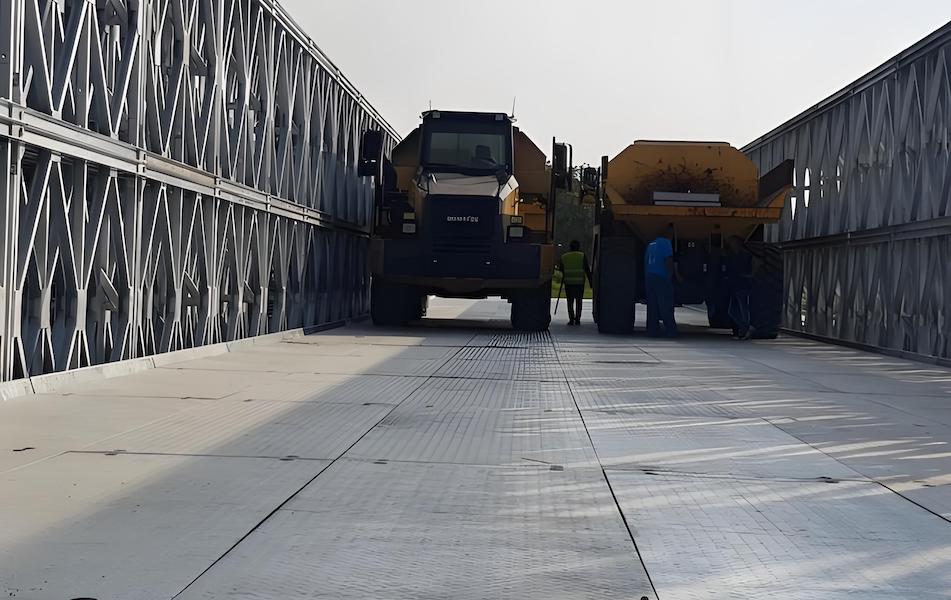
Prefabricated modular bridges are commonly used in various applications, including temporary roadways for construction sites, emergency response scenarios, and permanent infrastructure for rural areas. They are also utilized in urban settings to replace aging bridges quickly and efficiently, minimizing traffic disruption.
German regulations require that all bridges meet stringent safety and engineering standards. This includes compliance with the Eurocodes, which dictate design principles for structural integrity, durability, and safety. Manufacturers must also obtain necessary permits and undergo inspections to ensure that their modular bridges adhere to these regulations.
Long-term maintenance for modular bridges typically involves regular inspections to assess structural integrity, monitoring for signs of wear or damage, and performing necessary repairs. The use of durable materials in modular construction often reduces maintenance needs, but periodic checks are essential to ensure safety and longevity.
Prefabricated modular bridges are generally more cost-effective than traditional bridges due to reduced labor costs and shorter construction times. The off-site manufacturing process minimizes material waste and allows for better budget management, making them an attractive option for many infrastructure projects.
Innovations in the modular bridge industry include the integration of smart technologies, such as sensors for real-time monitoring of structural health, and the use of advanced materials that enhance durability and reduce environmental impact. Additionally, manufacturers are exploring modular designs that allow for greater flexibility and adaptability to various site conditions.


