

Views: 221 Author: Site Editor Publish Time: 2025-05-22 Origin: Site


Content Menu
● Understanding OEM Truss Pedestrian Bridges
>> What is an OEM Truss Pedestrian Bridge?
>> Key Features of Truss Design
● Advantages of OEM Truss Pedestrian Bridges
● Applications of OEM Truss Pedestrian Bridges
>> Emergency and Temporary Solutions
● Leading Companies in OEM Truss Pedestrian Bridge Manufacturing
>> Contech Engineered Solutions
>> TPA Housing
● Frequently Asked Questions regarding OEM Truss Pedestrian Bridge
>> 1. What are the typical load capacities for OEM truss pedestrian bridges?
>> 3. What are the environmental considerations in the construction of OEM truss pedestrian bridges?
>> 4. How long does it typically take to install an OEM truss pedestrian bridge?
>> 5. What safety features are commonly included in OEM truss pedestrian bridges?
In recent years, the demand for pedestrian bridges has surged, particularly those designed with truss structures. Among these, OEM (Original Equipment Manufacturer) truss pedestrian bridges have gained significant attention due to their unique advantages. This article explores the benefits of OEM truss pedestrian bridges, their design features, applications, and the companies leading the way in this innovative field.
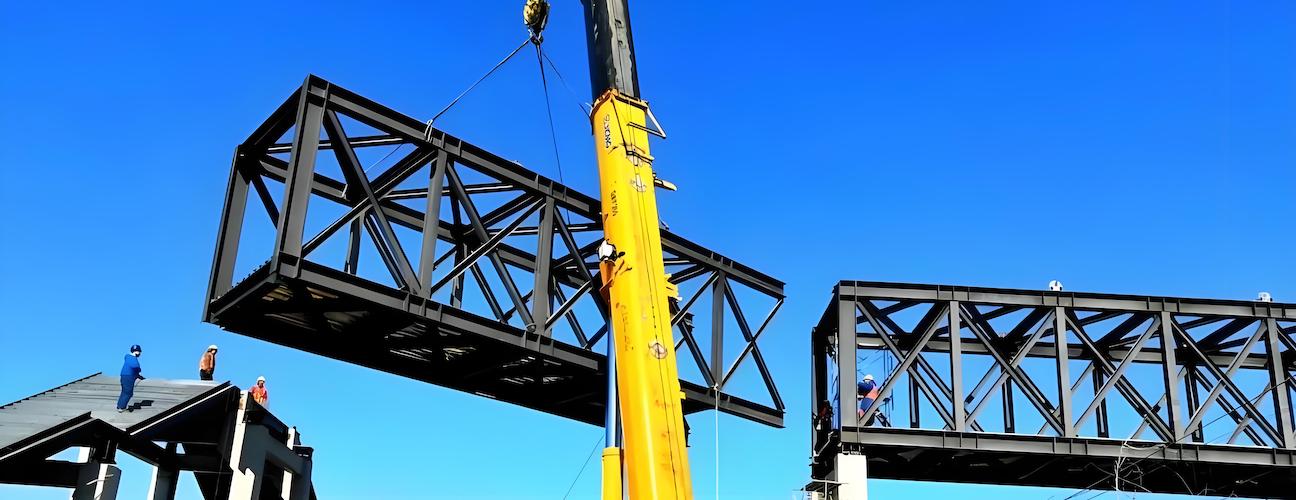
An OEM truss pedestrian bridge is a type of bridge designed specifically for pedestrian use, characterized by its truss structure. This design utilizes a framework of triangular units, which provides strength and stability while minimizing material use. The term "OEM" refers to manufacturers that produce these bridges according to specific designs and specifications provided by clients or other companies. This means that the bridges can be tailored to meet the unique needs of different projects, whether they are for urban environments, parks, or rural areas. The flexibility in design allows for a wide range of applications, making these bridges a versatile choice for various settings.
Truss bridges are known for their efficiency in distributing loads. The triangular shapes in the truss design allow for even weight distribution, making them ideal for spanning long distances without the need for excessive support. This design not only enhances the structural integrity but also reduces the overall weight of the bridge, making it easier to transport and install. Additionally, the truss design can be adapted to different spans and load requirements, allowing for customization based on specific project needs. This adaptability is particularly beneficial in areas where traditional bridge designs may not be feasible due to space or environmental constraints.
One of the primary benefits of OEM truss pedestrian bridges is their cost-effectiveness. The use of prefabricated components allows for quicker assembly and installation, reducing labor costs. Additionally, the efficient use of materials in truss designs means that less raw material is needed compared to traditional bridge designs, further lowering costs. This cost efficiency is particularly important for municipalities and organizations with limited budgets, as it allows them to invest in infrastructure without compromising on quality. Furthermore, the long-term durability of these bridges can lead to lower maintenance costs over time, making them a financially sound investment.
OEM manufacturers often provide a range of customization options. Clients can specify dimensions, materials, and design features to meet their specific needs. This flexibility allows for the creation of bridges that fit seamlessly into their intended environments, whether urban or rural. For instance, a bridge designed for a busy urban area may incorporate features such as decorative lighting and safety railings, while a bridge in a natural setting might focus on blending with the landscape. This level of customization not only enhances the functionality of the bridge but also ensures that it complements the surrounding architecture and environment.
Truss pedestrian bridges are typically constructed from high-quality materials such as steel or aluminum, which offer excellent durability. These materials are resistant to weathering and corrosion, ensuring a long lifespan with minimal maintenance. Many OEM manufacturers also offer protective coatings that enhance the longevity of the bridge. This durability is crucial in areas with harsh weather conditions, where bridges are exposed to rain, snow, and extreme temperatures. Additionally, the design of truss bridges often includes features that facilitate easy maintenance, such as accessible inspection points and modular components that can be replaced without extensive repairs.
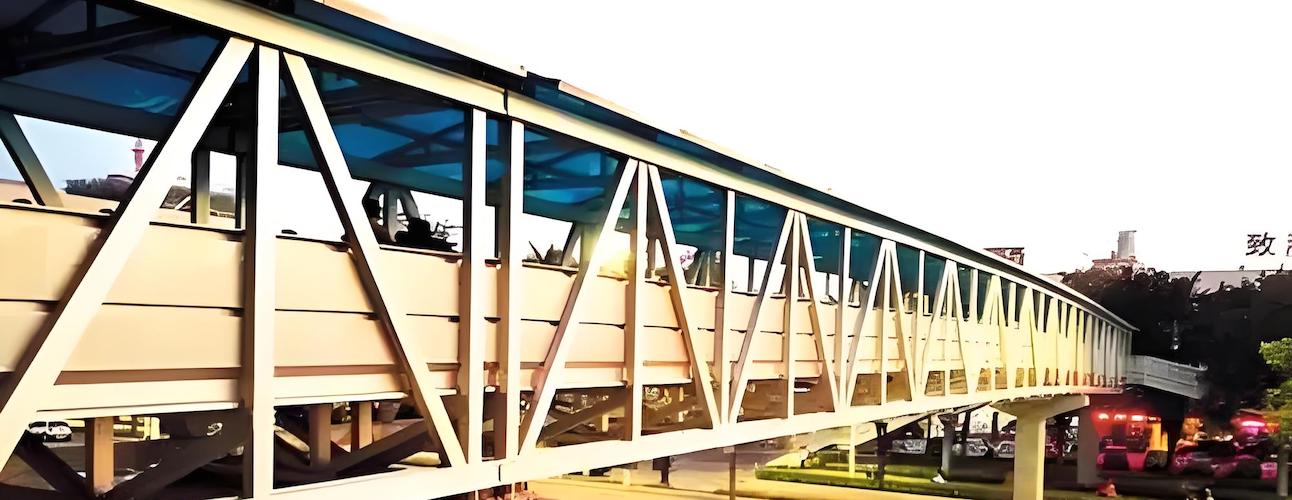
The design of truss bridges can be visually striking, making them an attractive addition to public spaces. OEM manufacturers often work with architects to create bridges that not only serve a functional purpose but also enhance the aesthetic value of their surroundings. This is particularly important in urban areas where the visual impact of infrastructure is a key consideration. A well-designed truss bridge can become a landmark, drawing visitors and enhancing the overall appeal of the area. The aesthetic considerations can also extend to the choice of materials and colors, allowing for a bridge that reflects the character of the community it serves.
In urban settings, OEM truss pedestrian bridges are often used to connect parks, schools, and residential areas. They provide safe crossing over busy roads or waterways, encouraging walking and cycling as viable transportation options. This not only promotes healthier lifestyles but also reduces traffic congestion. By facilitating pedestrian movement, these bridges contribute to the development of walkable communities, which are increasingly recognized for their benefits to public health and environmental sustainability. Moreover, the presence of pedestrian bridges can enhance local businesses by increasing foot traffic in commercial areas.
Many parks and recreational areas utilize OEM truss pedestrian bridges to enhance accessibility. These bridges can span rivers, lakes, or other natural obstacles, allowing visitors to explore nature without disturbing the environment. Their lightweight design makes them suitable for locations where heavy construction equipment may not be feasible. Additionally, these bridges can serve as scenic viewpoints, offering visitors a unique perspective of the surrounding landscape. By integrating pedestrian bridges into recreational areas, municipalities can promote outdoor activities and encourage community engagement with nature.
OEM truss pedestrian bridges can also serve as temporary solutions in emergency situations. Their quick assembly and disassembly make them ideal for disaster relief efforts, providing immediate access in areas where infrastructure has been compromised. For example, after a natural disaster, these bridges can be rapidly deployed to restore connectivity and facilitate the movement of emergency services and supplies. This capability is invaluable in crisis situations, where time is of the essence and traditional construction methods may not be viable.
Great Wall Group is a prominent player in the OEM truss pedestrian bridge market. They specialize in producing high-quality bridges that meet international standards. Their commitment to innovation and customer satisfaction has made them a trusted name in the industry. With a focus on sustainable practices, Great Wall Group integrates environmentally friendly materials and processes into their manufacturing, ensuring that their bridges not only serve their purpose but also contribute positively to the environment.
Contech is known for its extensive range of bridge solutions, including truss designs. They focus on creating durable and aesthetically pleasing pedestrian bridges that cater to various applications. Their expertise in engineering ensures that each bridge is tailored to meet specific client needs. Contech also emphasizes the importance of community involvement in their projects, often engaging with local stakeholders to ensure that the bridges meet the needs and expectations of the communities they serve.
Bailey Bridge Solutions offers a variety of pedestrian bridge options, including OEM truss designs. They emphasize the importance of safety and durability in their products, making them a reliable choice for municipalities and private developers alike. Their bridges are designed to withstand heavy use and adverse weather conditions, ensuring that they remain safe and functional for years to come. Additionally, Bailey Bridge Solutions provides comprehensive support throughout the project lifecycle, from initial design to final installation.
TPA Housing specializes in prefabricated steel pedestrian bridges, including truss designs. Their focus on quality and efficiency has positioned them as a leader in the market, providing customized solutions for various projects. TPA Housing is committed to using advanced manufacturing techniques that enhance the precision and quality of their products. This commitment to excellence ensures that their bridges not only meet but exceed industry standards, providing clients with peace of mind regarding the safety and reliability of their infrastructure.
OEM truss pedestrian bridges represent a significant advancement in bridge design and construction. Their cost-effectiveness, durability, and aesthetic appeal make them an excellent choice for a wide range of applications. As cities continue to evolve and prioritize pedestrian infrastructure, the demand for these innovative bridges is likely to grow. Companies like Great Wall Group, Contech, Bailey Bridge Solutions, and TPA Housing are at the forefront of this movement, providing high-quality solutions that enhance urban and recreational spaces alike.
The benefits of OEM truss pedestrian bridges extend beyond mere functionality; they contribute to the overall improvement of community connectivity and environmental sustainability. As we look to the future, these bridges will play a crucial role in shaping the landscapes of our cities and towns. By investing in OEM truss pedestrian bridges, communities can create safer, more accessible, and visually appealing environments that promote social interaction and enhance the quality of life for all residents.
OEM truss pedestrian bridges typically have load capacities ranging from 5 to 20 tons, depending on the design and materials used. The specific load capacity can be customized based on the intended use, such as accommodating heavier pedestrian traffic or additional features like lighting and safety barriers.
OEM truss pedestrian bridges are generally more cost-effective than suspension bridges. The simpler design and materials used in truss bridges lead to lower construction costs. Additionally, truss bridges often require less maintenance due to their robust structure, while suspension bridges may need more frequent inspections and repairs due to their complex components.
When constructing OEM truss pedestrian bridges, environmental considerations include minimizing land disturbance, using sustainable materials, and ensuring that the bridge design does not disrupt local wildlife habitats. Many manufacturers also implement eco-friendly practices, such as using recycled materials and reducing waste during production.
The installation time for an OEM truss pedestrian bridge can vary, but it generally takes between one to three days. This quick installation is possible due to the prefabricated nature of the components, which allows for rapid assembly on-site without the need for extensive construction work.
Common safety features in OEM truss pedestrian bridges include high guardrails, non-slip walking surfaces, adequate lighting for nighttime visibility, and emergency call boxes. These features are designed to enhance pedestrian safety and ensure that the bridge is accessible for all users, including those with disabilities.


