

Views: 211 Author: Site Editor Publish Time: 2025-05-23 Origin: Site


Content Menu
● Understanding Box Girder Bridges
>> What is a Box Girder Bridge?
>> Key Features of Box Girder Bridges
● Advantages of Private Label Box Girder Bridges
>> Enhanced Structural Integrity
● Design Considerations for Box Girder Bridges
● Applications of Private Label Box Girder Bridges
>> Transportation Infrastructure
● Frequently Asked Questions regarding Private Label Box Girder Bridge
>> 1. What are the typical span lengths achievable with private label box girder bridges?
>> 2. How do private label box girder bridges perform in seismic conditions?
>> 3. What are the environmental impacts associated with the construction of box girder bridges?
>> 4. What maintenance requirements do private label box girder bridges have?
>> 5. How do private label box girder bridges compare to traditional beam bridges?
Private label box girder bridges represent a significant advancement in bridge engineering, offering unique benefits that cater to various construction needs. This article explores the advantages of these structures, their design considerations, and their applications in modern infrastructure projects.
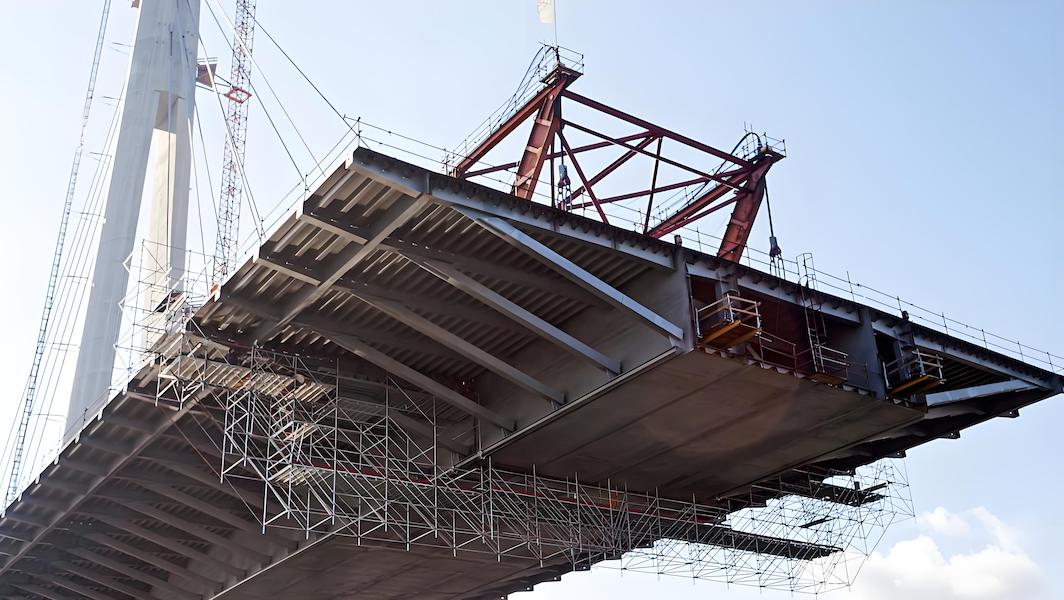
A box girder bridge is a type of bridge that uses a hollow box-shaped girder as its main structural element. This design allows for efficient load distribution and provides significant strength while minimizing material use. The box girder can be made from various materials, including concrete and steel, and is often used in situations where a long span is required. The versatility of box girder bridges makes them suitable for a wide range of applications, from highway overpasses to pedestrian walkways, showcasing their adaptability in different environments.
Box girder bridges are characterized by their unique shape, which provides several advantages over traditional beam bridges. The closed section of the girder enhances its resistance to torsion and bending, making it suitable for various applications, including highway overpasses and railway crossings. The design also allows for a reduction in the number of supports needed, which can be particularly beneficial in areas where space is limited or where environmental impact must be minimized. Additionally, the streamlined shape of box girders can reduce wind resistance, contributing to the overall stability of the bridge.
One of the primary advantages of private label box girder bridges is their cost-effectiveness. These bridges can be manufactured to specific requirements, allowing for tailored solutions that meet budget constraints. By optimizing materials and design, private label manufacturers can offer competitive pricing without compromising quality. This cost efficiency is particularly important for public infrastructure projects, where budget overruns can lead to significant delays and complications. Furthermore, the long lifespan and low maintenance requirements of box girder bridges can lead to substantial savings over time, making them a wise investment for municipalities and private developers alike.
Private label box girder bridges can be customized to fit specific project needs. This flexibility allows engineers to design bridges that meet unique load requirements, span lengths, and aesthetic preferences. Companies like Knife River Prestress specialize in providing customized box girder solutions that cater to various construction demands. The ability to tailor designs not only enhances functionality but also allows for creative architectural expressions, enabling bridges to blend harmoniously with their surroundings. This customization can include variations in color, texture, and even the incorporation of artistic elements, making each bridge a unique landmark.
The design of box girder bridges provides enhanced structural integrity compared to traditional bridge designs. The box shape allows for better load distribution, reducing the risk of structural failure. This is particularly important in areas with heavy traffic or extreme weather conditions, where durability is crucial. The robust nature of box girders also means they can accommodate larger vehicles and heavier loads, making them ideal for modern transportation needs. Additionally, advancements in materials science have led to the development of high-strength concrete and steel, further improving the performance and longevity of these structures.
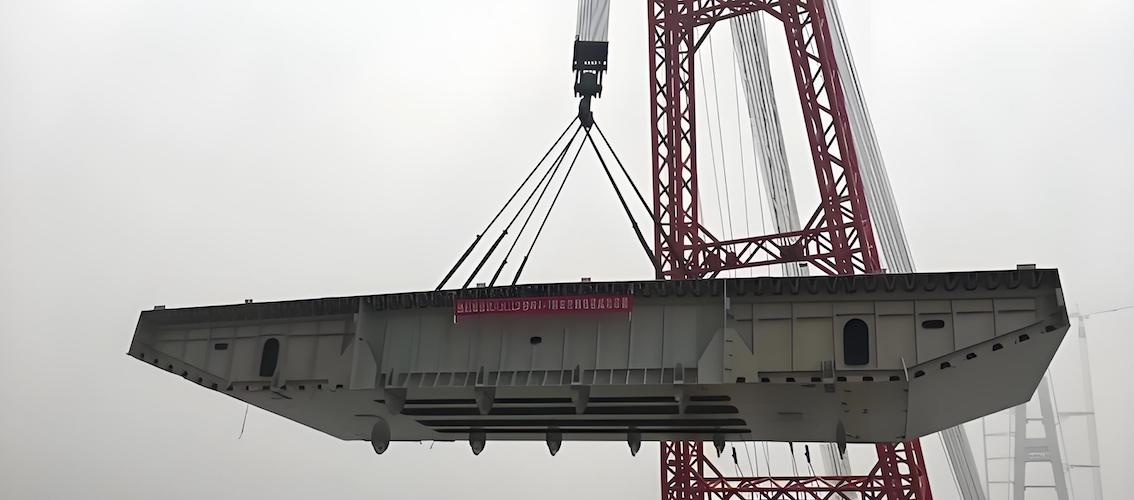
Private label box girder bridges can significantly reduce construction time. The prefabrication of components allows for quicker assembly on-site, minimizing disruptions to traffic and surrounding areas. This efficiency is particularly beneficial in urban environments where time constraints are critical. By utilizing advanced construction techniques, such as modular construction, entire sections of the bridge can be manufactured off-site and then transported for rapid installation. This not only speeds up the construction process but also enhances safety by reducing the amount of time workers spend on-site in potentially hazardous conditions.
Box girder bridges can be designed to be visually appealing, integrating seamlessly into their surroundings. The ability to customize the appearance of these bridges allows for innovative designs that enhance the overall aesthetic of the area. This is particularly important in regions where the visual impact of infrastructure is a concern. Architects and engineers can collaborate to create bridges that serve as focal points in urban landscapes, incorporating features such as lighting, landscaping, and pedestrian pathways that enhance the user experience. The aesthetic considerations also extend to the choice of materials, with options available that can complement the local environment and architectural style.
The choice of materials is crucial in the design of box girder bridges. Common materials include reinforced concrete and steel, each offering distinct advantages. Steel box girders are known for their strength and lightweight properties, while concrete box girders provide excellent durability and resistance to environmental factors. The selection process often involves evaluating the specific requirements of the project, including load capacity, environmental conditions, and budget constraints. Additionally, advancements in composite materials are beginning to play a role in bridge design, offering the potential for even greater strength-to-weight ratios and improved resistance to corrosion.
Conducting a thorough load analysis is essential in the design process. Engineers must consider various factors, including live loads, dead loads, and environmental loads such as wind and seismic activity. This analysis ensures that the bridge can safely support the expected traffic and environmental conditions. Modern engineering software allows for sophisticated modeling and simulation, enabling engineers to predict how the bridge will perform under various scenarios. This proactive approach to load analysis not only enhances safety but also informs design decisions that can lead to more efficient and resilient structures.
The construction techniques used for box girder bridges can vary based on the project requirements. Common methods include cast-in-place construction and precast segmental construction. Each method has its advantages and is chosen based on factors such as site conditions, project timeline, and budget. For instance, precast segmental construction allows for rapid assembly and can be particularly advantageous in urban settings where minimizing disruption is critical. Additionally, the use of advanced construction technologies, such as 3D printing and robotic assembly, is beginning to emerge in the field, promising to further revolutionize how box girder bridges are constructed.
Private label box girder bridges are widely used in transportation infrastructure projects. They are ideal for highway overpasses, railway crossings, and pedestrian bridges, providing safe and efficient passage for vehicles and pedestrians alike. Companies like Nordec specialize in creating box girder structures for various transportation applications. The versatility of these bridges allows them to be adapted for different traffic conditions, ensuring that they meet the demands of modern transportation networks. Furthermore, their ability to span wide gaps without the need for numerous supports makes them particularly valuable in areas where space is at a premium.
In urban areas, where space is often limited, box girder bridges offer a practical solution for spanning roads and waterways. Their ability to support heavy loads while occupying minimal space makes them an attractive option for city planners and developers. The integration of box girder bridges into urban landscapes can also facilitate better connectivity between neighborhoods, enhancing accessibility and promoting economic development. As cities continue to grow and evolve, the role of these bridges in urban infrastructure will become increasingly important, providing essential links that support both transportation and community engagement.
Box girder bridges are also utilized in industrial settings, such as factories and warehouses, where they can support heavy machinery and equipment. Their robust design ensures that they can withstand the demands of industrial operations while providing safe access for workers. In many cases, these bridges are designed to accommodate specific operational needs, such as the movement of large vehicles or the installation of overhead cranes. The adaptability of box girder bridges in industrial applications highlights their versatility and the importance of tailored engineering solutions in meeting diverse operational requirements.
Private label box girder bridges offer numerous advantages, including cost-effectiveness, customization options, enhanced structural integrity, reduced construction time, and improved aesthetics. As infrastructure needs continue to evolve, these bridges will play a vital role in meeting the demands of modern construction projects. With companies like Knife River Prestress and Nordec leading the way in innovative designs and solutions, the future of box girder bridges looks promising.
The unique characteristics and benefits of private label box girder bridges make them an essential component of contemporary infrastructure, providing safe, efficient, and aesthetically pleasing solutions for a variety of applications. As engineering practices advance and new materials and technologies emerge, the potential for box girder bridges to meet the challenges of the future will only continue to grow, solidifying their place in the landscape of modern engineering.
Private label box girder bridges can typically achieve span lengths ranging from 30 to 200 feet for standard designs. However, with advanced engineering techniques and materials, some designs can span over 300 feet. The specific span length depends on factors such as material choice, load requirements, and site conditions.
Private label box girder bridges are designed to withstand seismic forces through careful engineering and material selection. The box shape provides inherent stability, and additional features such as expansion joints and flexible bearings can be incorporated to enhance performance during seismic events. Engineers conduct detailed seismic analysis to ensure that these bridges can safely accommodate expected ground movements.
The construction of box girder bridges can have several environmental impacts, including habitat disruption, noise pollution, and potential water quality issues during construction. However, careful planning and the use of environmentally friendly materials can mitigate these impacts. Additionally, the long lifespan and durability of box girder bridges can reduce the need for future construction, ultimately benefiting the environment.
Maintenance requirements for private label box girder bridges typically include regular inspections to assess structural integrity, monitoring for signs of wear or damage, and addressing any issues such as corrosion or cracking. Routine cleaning and maintenance of expansion joints and bearings are also essential to ensure the longevity of the bridge. The specific maintenance schedule can vary based on environmental conditions and traffic loads.
Private label box girder bridges generally offer several advantages over traditional beam bridges, including greater load capacity, reduced material usage, and enhanced resistance to torsion and bending. The box girder design allows for longer spans with fewer supports, which can be particularly beneficial in urban settings. Additionally, the aesthetic flexibility of box girder bridges can lead to more visually appealing structures compared to traditional designs.


