

Views: 221 Author: Site Editor Publish Time: 2025-12-16 Origin: Site


Content Menu
● EVERCROSS BRIDGE: A Leader in Modular Steel Bridge Manufacturing
>> Innovations and Technologies
>> Global Reach
● Leading Modular Steel Bridge Manufacturers in Japan
>> Yokogawa Bridge Corporation
>>> Company Profile
>>> Key Projects
>> Matsuo Bridge Company, Ltd.
>>> Company Overview
>>> Contributions to Modular Bridge Construction
>>> Overview
>> JFE Engineering Corporation
>>> Company Profile
>>> Contributions to Modular Bridge Technology
● The Future of Modular Steel Bridges in Japan
>> Challenges and Opportunities
● Frequently Asked and Questions regarding Modular Steel Bridge Manufacturers
>> 1. What are the primary advantages of using modular steel bridges in construction?
>> 2. How do Japanese modular steel bridge manufacturers ensure seismic resistance in their designs?
>> 3. What are some innovative materials being used in modular steel bridge construction in Japan?
>> 4. What are the typical costs associated with modular steel bridge construction in Japan?
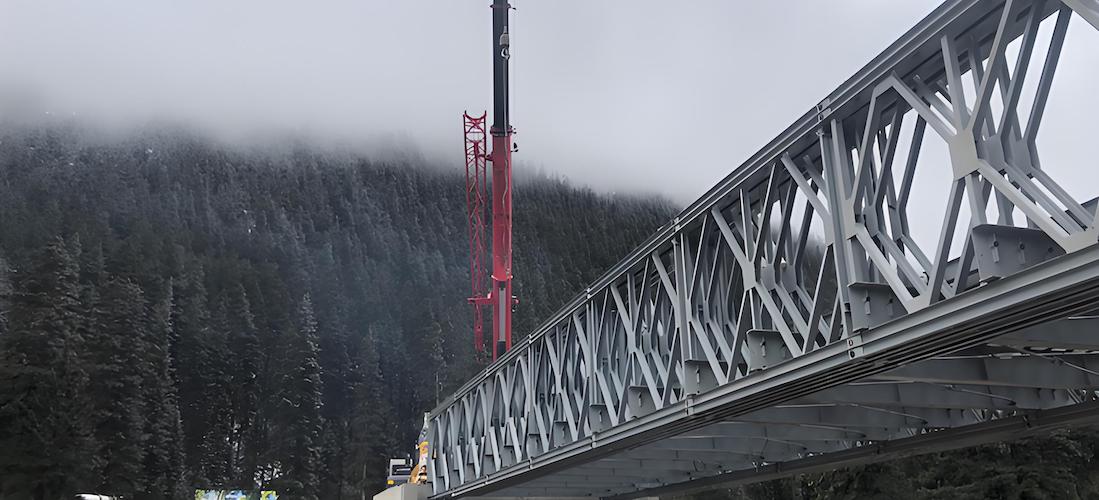
In the realm of modern infrastructure, modular steel bridges have emerged as a vital solution for efficient and sustainable construction. These bridges are prefabricated in sections, allowing for rapid assembly on-site, which significantly reduces construction time and costs. Among the leading manufacturers in this field, EVERCROSS BRIDGE stands out as a top player in China, but Japan also boasts several prominent companies that excel in modular steel bridge production. This article explores the top modular steel bridge manufacturers in Japan, highlighting their contributions to the industry.
Founded with a vision to revolutionize bridge construction, EVERCROSS BRIDGE has established itself as one of the top three manufacturers of various steel bridges in China. With an impressive annual production capacity exceeding 10,000 tons, the company has successfully collaborated with major state-owned enterprises such as China Communications Construction Company, China Railway Group, and China National Offshore Oil Corporation. Their expertise spans across railway, highway, and international government procurement projects. This extensive experience not only showcases their capability in handling large-scale projects but also reflects their commitment to quality and innovation in bridge design and construction.
EVERCROSS BRIDGE is known for its innovative approach to modular bridge design. The company employs advanced engineering techniques and high-quality materials to ensure durability and safety. Their modular bridges are designed to withstand various environmental conditions, making them suitable for diverse applications. For instance, the use of corrosion-resistant materials and cutting-edge fabrication methods enhances the longevity of their structures. Additionally, the integration of smart technologies in their designs allows for real-time monitoring of structural integrity, ensuring safety and reliability over time.
While primarily based in China, EVERCROSS BRIDGE has expanded its reach internationally, participating in projects across Asia and beyond. Their commitment to quality and efficiency has made them a preferred partner for large-scale infrastructure projects. This global presence not only enhances their reputation but also allows them to adapt best practices from different markets, further refining their manufacturing processes. By engaging in international collaborations, EVERCROSS BRIDGE is able to leverage diverse engineering insights and technologies, positioning itself as a leader in the global modular bridge market.
Established in 1907, Yokogawa Bridge Corporation is one of Japan's foremost manufacturers of steel structures, including modular bridges. With a strong emphasis on innovation and quality, the company has built a reputation for delivering reliable and durable bridge solutions. Their long-standing history in the industry has equipped them with extensive knowledge and expertise, allowing them to tackle complex engineering challenges effectively.
Yokogawa has been involved in numerous significant projects, including the construction of pedestrian bridges and highway overpasses. Their expertise in modular construction techniques allows for quick assembly and minimal disruption during installation. Notably, their projects often incorporate environmentally friendly practices, such as using recycled materials and implementing energy-efficient construction methods. This commitment to sustainability not only benefits the environment but also aligns with Japan's broader goals of reducing carbon emissions and promoting green infrastructure.
Founded in 1925, Matsuo Bridge Company is recognized as one of Japan's leading fabricators of steel structures. The company operates multiple plants, including facilities in Osaka and Chiba, with a production capacity of 3,000 metric tons per month. Their strategic locations enable efficient logistics and supply chain management, ensuring timely delivery of materials and components for various projects.
Matsuo Bridge has pioneered several modular bridge designs that cater to both urban and rural infrastructure needs. Their commitment to sustainability and efficiency has positioned them as a key player in the modular bridge market. By focusing on modular designs, Matsuo Bridge not only reduces construction time but also minimizes the environmental impact associated with traditional bridge building methods. Their innovative approaches often include the use of prefabricated components that can be easily transported and assembled on-site, further enhancing project efficiency.
Kawada Industries, established in 1922, is a prominent name in the steel construction sector. The company specializes in the fabrication of steel bridges and has a production capacity of 7,000 metric tons per month. Their extensive experience in the industry allows them to offer a wide range of bridge solutions tailored to meet specific project requirements.
Kawada is known for its advanced modular bridge systems that incorporate cutting-edge technology. Their bridges are designed to be both lightweight and robust, making them ideal for various applications, including seismic-resistant structures. The company invests heavily in research and development to continuously improve their products, ensuring they meet the highest standards of safety and performance. Additionally, Kawada's focus on modular construction techniques allows for greater flexibility in design, enabling them to adapt to the unique challenges presented by different project sites.
IHI Corporation, a major player in the engineering and manufacturing sector, has a long history of producing high-quality steel structures. The company is involved in various infrastructure projects, including modular bridge construction. Their diverse portfolio showcases their ability to handle projects of varying scales and complexities, from small pedestrian bridges to large highway overpasses.
IHI has developed several innovative bridge designs that utilize modular construction techniques. Their focus on research and development ensures that they remain at the forefront of the industry, providing solutions that meet modern engineering challenges. IHI's commitment to quality is reflected in their rigorous testing and quality assurance processes, which guarantee that every bridge they produce meets stringent safety and performance standards. Furthermore, their collaboration with academic institutions and research organizations fosters innovation and helps them stay ahead of industry trends.
JFE Engineering Corporation is a leading engineering firm in Japan, specializing in steel structures, including modular bridges. The company has a strong commitment to sustainability and innovation, which is evident in their approach to bridge design and construction. JFE Engineering's expertise extends beyond traditional bridge manufacturing, as they also focus on developing integrated solutions that address the broader needs of infrastructure development.
JFE Engineering has developed several modular bridge systems that are not only efficient to construct but also environmentally friendly. Their bridges are designed to minimize the ecological impact during both construction and operation. By utilizing advanced materials and construction techniques, JFE Engineering ensures that their bridges are not only durable but also capable of withstanding the challenges posed by natural disasters, such as earthquakes and floods. Their commitment to sustainability is further demonstrated through initiatives aimed at reducing waste and promoting the use of renewable resources in their projects.
The modular steel bridge market in Japan is evolving rapidly, driven by advancements in technology and increasing demand for sustainable infrastructure solutions. Companies are investing in research and development to create more efficient and environmentally friendly bridge designs. Innovations such as 3D printing and advanced composite materials are beginning to play a significant role in the design and construction of modular bridges, offering new possibilities for customization and performance enhancement.
While the modular bridge industry faces challenges such as regulatory hurdles and competition from traditional construction methods, the opportunities for growth are significant. As urbanization continues and infrastructure needs grow, modular steel bridges offer a viable solution for rapid and sustainable construction. The increasing focus on disaster resilience in Japan also presents an opportunity for modular bridge manufacturers to showcase their capabilities in designing structures that can withstand extreme weather events and seismic activity.
The modular steel bridge manufacturing sector in Japan is characterized by innovation, quality, and a commitment to sustainability. Companies like Yokogawa Bridge Corporation, Matsuo Bridge Company, Kawada Industries, IHI Corporation, and JFE Engineering Corporation are leading the way in developing advanced modular bridge solutions. As the demand for efficient infrastructure continues to rise, these manufacturers are well-positioned to meet the challenges of the future, ensuring that modular steel bridges remain a cornerstone of modern construction.
While EVERCROSS BRIDGE leads the charge in China, Japan's top manufacturers are equally committed to advancing the field of modular steel bridges, contributing to the development of resilient and sustainable infrastructure worldwide. Their collective efforts not only enhance the quality of infrastructure but also pave the way for a more sustainable future in bridge construction.
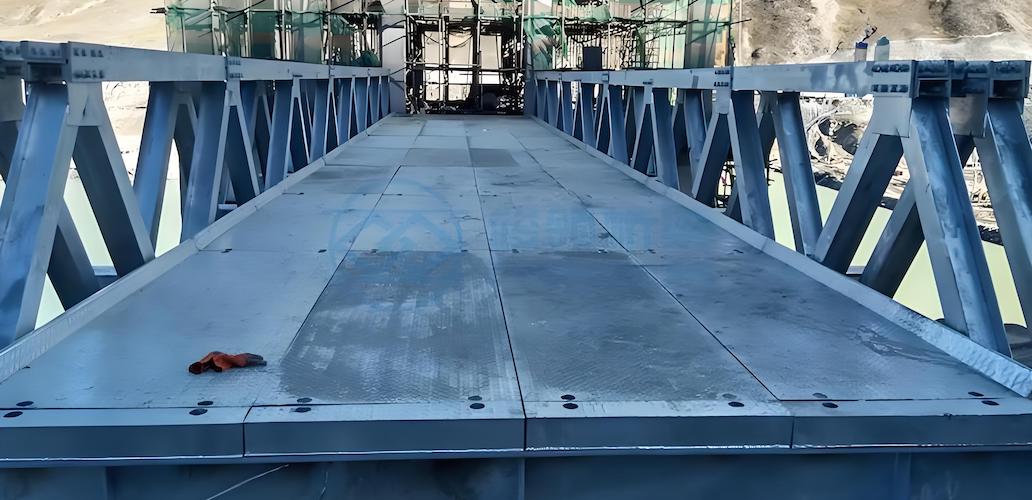
Modular steel bridges offer several advantages, including reduced construction time due to prefabrication, lower labor costs, and minimized on-site disruption. They are also designed for easy transport and assembly, which enhances efficiency. Additionally, modular bridges can be constructed with high-quality materials that ensure durability and longevity.
Japanese manufacturers incorporate advanced engineering techniques and materials that enhance seismic resistance. This includes using flexible designs that can absorb and dissipate energy during an earthquake, as well as employing high-strength steel and innovative connection methods. Regular testing and adherence to strict building codes further ensure that these bridges can withstand seismic events.
In Japan, manufacturers are increasingly using high-performance steel alloys, composite materials, and corrosion-resistant coatings. These materials not only improve the structural integrity and lifespan of bridges but also contribute to sustainability by reducing maintenance needs and enhancing energy efficiency during construction.
The costs of modular steel bridge construction can vary widely based on factors such as design complexity, materials used, and project location. On average, modular bridges may cost between 10% to 30% less than traditional bridges due to reduced labor and construction time. However, specific project quotes are necessary for accurate budgeting.
Modular steel bridges are generally more environmentally friendly than traditional construction methods. They produce less waste due to prefabrication, which allows for better material management. Additionally, the use of sustainable materials and construction practices reduces the carbon footprint. Modular bridges also minimize disruption to local ecosystems during installation, promoting better environmental stewardship.


