

Views: 211 Author: Site Editor Publish Time: 2025-05-19 Origin: Site


Content Menu
● Understanding Temporary Movable Bridges
>> Definition and Characteristics
>> Common Types of Temporary Movable Bridges
>> Applications of Temporary Movable Bridges
>> Definition and Characteristics
>> Common Types of Truss Bridges
>> Applications of Truss Bridges
● Comparing Temporary Movable Bridges and Truss Bridges
● Advantages of Temporary Movable Bridges
>> Flexibility and Adaptability
>> Cost-Effectiveness for Short-Term Use
● Disadvantages of Temporary Movable Bridges
● Disadvantages of Truss Bridges
>> Assessing Project Requirements
>> Evaluating Environmental Impact
● Frequently Asked Questions regarding Temporary Movable Bridge and Truss Bridge
>> 1. What are the latest innovations in temporary movable bridge technology?
>> 2. How do different environmental conditions affect the lifespan and maintenance of truss bridges?
>> 5. How do temporary movable bridges contribute to disaster response efforts?
When it comes to bridge construction, engineers and planners often face the dilemma of choosing the right type of bridge for their specific needs. Two popular options are temporary movable bridges and truss bridges. Each type has its unique advantages and disadvantages, making the decision process complex. This article will explore the characteristics, applications, benefits, and drawbacks of both temporary movable bridges and truss bridges, helping you make an informed choice.
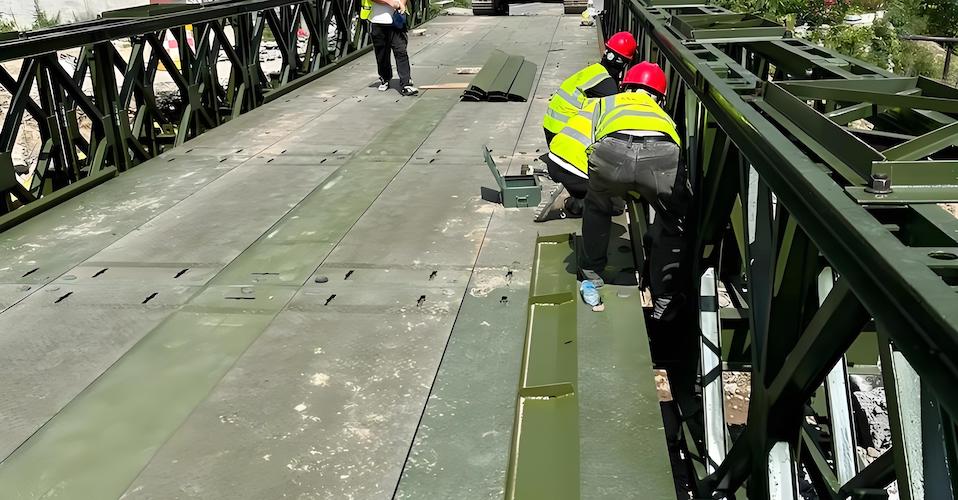
Temporary movable bridges are designed to be relocated or dismantled after their use. They are often used in situations where a permanent structure is not feasible or necessary. These bridges can be raised or lowered to allow for the passage of boats or other vehicles beneath them. Their design typically includes mechanisms such as hydraulic lifts or counterweights that facilitate movement. The materials used in constructing these bridges are often lightweight yet durable, allowing for easy transport and quick assembly. This adaptability makes them particularly valuable in dynamic environments where conditions can change rapidly.
There are several types of temporary movable bridges, including:
Bascule Bridges: These bridges have a section that can be raised to allow for maritime traffic. They are commonly used in urban areas where waterways are prevalent. The design of bascule bridges often incorporates counterweights that balance the raised section, ensuring smooth operation and minimal energy consumption.
Swing Bridges: These bridges rotate around a fixed point to open for boat traffic. They are often used in locations with limited space for vertical clearance. Swing bridges can be designed to accommodate various traffic types, including vehicles and pedestrians, making them versatile for different applications.
Drawbridges: Similar to bascule bridges, drawbridges can be raised to allow vessels to pass. They are often used in historical contexts or in areas with significant pedestrian traffic. The aesthetic appeal of drawbridges can enhance the surrounding environment, making them popular in tourist areas.
Temporary movable bridges are particularly useful in various scenarios, including:
Construction Sites: They provide essential access for construction vehicles and personnel while permanent structures are being built. This access is crucial for maintaining project timelines and ensuring safety on site.
Emergency Situations: In the aftermath of natural disasters, temporary movable bridges can quickly restore access to affected areas. Their rapid deployment can be vital for emergency services and humanitarian aid, allowing for the swift transport of supplies and personnel.
Festivals and Events: These bridges can be set up for temporary use during large events, providing necessary access across waterways. Their ability to be installed and removed quickly makes them ideal for events that require temporary infrastructure.
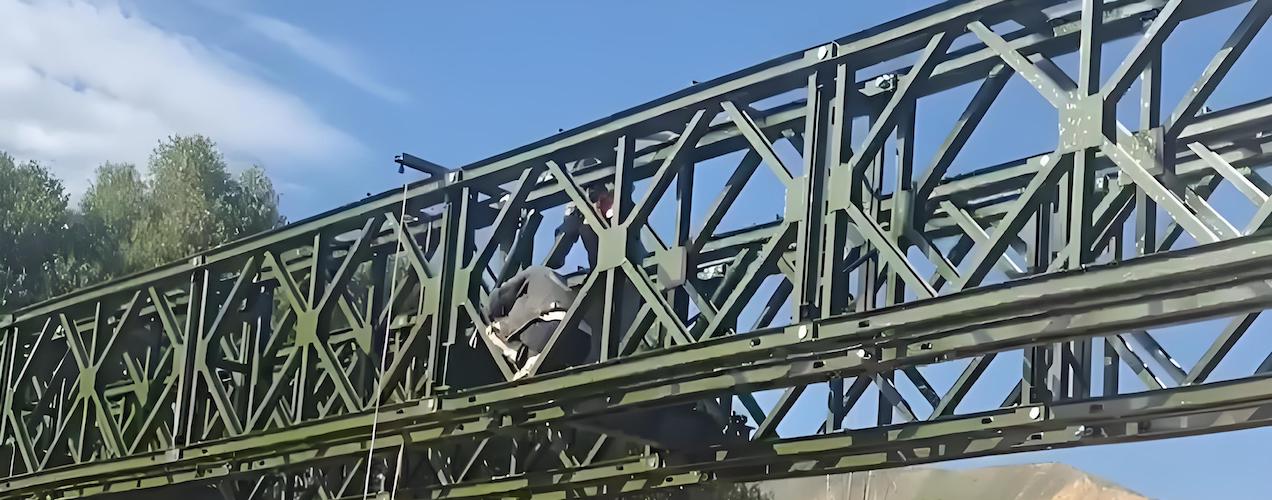
Truss bridges are a type of bridge that utilizes a truss structure to support the load. This design consists of interconnected triangles, which distribute weight efficiently and provide stability. Truss bridges can be made from various materials, including steel, wood, and concrete, and are known for their strength and durability. The triangular configuration of the truss not only enhances load-bearing capacity but also minimizes the amount of material needed, making them an efficient choice for many applications.
Truss bridges come in several designs, each suited for different applications:
Pratt Truss: This design features diagonal members that slope towards the center, making it ideal for longer spans. The Pratt truss is particularly effective in situations where vertical loads are significant, as it efficiently transfers these loads to the supports.
Howe Truss: In contrast to the Pratt truss, the Howe truss has diagonal members that slope away from the center, providing excellent load distribution. This design is often used in shorter spans and can be constructed from various materials, including timber and steel.
Warren Truss: This design uses equilateral triangles and is known for its simplicity and efficiency in material use. The Warren truss is often favored for its aesthetic appeal and is commonly used in pedestrian bridges and light rail applications.
Truss bridges are widely used in various applications, including:
Highway and Rail Transport: Their strength makes them suitable for carrying heavy loads, making them a common choice for highways and railways. The ability to span long distances without the need for intermediate supports allows for smoother traffic flow and reduced congestion.
Pedestrian Walkways: Smaller truss bridges can be designed for pedestrian use, providing safe crossings over rivers and roads. These bridges enhance accessibility in urban areas and can be integrated into parks and recreational spaces.
Industrial Use: Truss bridges are often employed in industrial settings to support heavy machinery and equipment. Their robust design ensures safety and reliability in environments where heavy loads are common.
The primary structural difference between temporary movable bridges and truss bridges lies in their design and purpose. Temporary movable bridges are designed for flexibility and ease of relocation, while truss bridges focus on strength and load-bearing capacity. The truss design allows for longer spans and greater stability, making it suitable for permanent installations. This distinction is crucial when considering the intended use and lifespan of the bridge.
Cost is a significant factor in bridge selection. Temporary movable bridges can be more cost-effective for short-term projects or emergency situations, as they require less investment in materials and labor. However, for long-term use, truss bridges may offer better value due to their durability and lower maintenance costs over time. The initial investment in a truss bridge may be higher, but its longevity can lead to savings in the long run.
Temporary movable bridges typically require more frequent maintenance due to their moving parts and the wear associated with relocation. This maintenance can include regular inspections and repairs to ensure safe operation. In contrast, truss bridges, when properly constructed and maintained, can last for decades, making them a more reliable option for permanent installations. The maintenance of truss bridges often involves routine inspections and minor repairs, which can be less frequent than those required for movable bridges.
Truss bridges generally have a higher load capacity compared to temporary movable bridges. The truss design allows for efficient weight distribution, making them suitable for heavy traffic and industrial applications. Temporary movable bridges, while capable of supporting moderate loads, may not be suitable for heavy vehicles or long-term use. This limitation can impact their effectiveness in certain scenarios, particularly in areas with high traffic volumes.
One of the most significant advantages of temporary movable bridges is their flexibility. They can be quickly deployed and relocated as needed, making them ideal for temporary projects or emergency situations. This adaptability allows for rapid response in times of crisis, such as natural disasters. The ability to move these bridges to different locations can also facilitate infrastructure development in areas that are undergoing change.
Temporary movable bridges can be installed much faster than permanent structures. This speed is crucial in situations where immediate access is required, such as during construction projects or after a disaster. The quick installation process minimizes disruption to traffic and allows for the swift restoration of services, which is essential in emergency response scenarios.
For projects that do not require a permanent solution, temporary movable bridges can be a cost-effective option. They eliminate the need for extensive groundwork and can be rented or leased, reducing upfront costs. This financial flexibility makes them an attractive choice for municipalities and organizations with limited budgets or those facing unexpected infrastructure needs.
While temporary movable bridges are suitable for moderate loads, they may not be able to support heavy vehicles or equipment. This limitation can restrict their use in certain applications, particularly in industrial settings where heavy machinery is common. The inability to accommodate larger loads can necessitate additional planning and resources, potentially complicating project execution.
The moving parts of temporary movable bridges require regular maintenance to ensure safe operation. This maintenance can be more frequent and costly compared to the maintenance of a static structure like a truss bridge. The need for specialized knowledge and equipment to maintain these bridges can also pose challenges for municipalities or organizations with limited resources.
Temporary movable bridges are not designed for long-term use. Their lifespan is typically shorter than that of permanent structures, which can lead to additional costs if a replacement is needed sooner than expected. This shorter lifespan can also impact planning and budgeting for future infrastructure needs, as stakeholders must consider the potential for more frequent replacements.
Truss bridges are known for their ability to support heavy loads, making them suitable for highways, railways, and industrial applications. Their design allows for efficient weight distribution, ensuring stability and safety. This capability is particularly important in areas with high traffic volumes or where heavy machinery is frequently used.
Truss bridges are built to last. With proper maintenance, they can remain functional for decades, making them a reliable choice for permanent installations. Their robust construction materials contribute to their longevity, reducing the need for frequent repairs or replacements. This durability can lead to significant cost savings over time, as the need for extensive maintenance is minimized.
Truss bridges can be designed to be visually appealing, enhancing the landscape in which they are built. Their unique structural design can add character to an area, making them a popular choice for pedestrian walkways and scenic routes. The aesthetic considerations can also play a role in community acceptance and support for infrastructure projects.
The construction of truss bridges typically involves higher initial costs compared to temporary movable bridges. The materials and labor required for a permanent structure can be significant, making them less suitable for short-term projects. This financial barrier can deter some organizations from pursuing truss bridge options, particularly in budget-constrained environments.
Building a truss bridge can take considerably longer than installing a temporary movable bridge. This extended timeline can be a disadvantage in situations where immediate access is required. The longer construction period can also lead to increased costs and potential disruptions to local traffic and commerce.
Once constructed, truss bridges are permanent structures that cannot be easily relocated. This lack of flexibility can be a drawback in dynamic environments where access needs may change frequently. The inability to adapt to changing conditions can limit the effectiveness of truss bridges in certain applications, particularly in rapidly developing areas.
When deciding between a temporary movable bridge and a truss bridge, it is essential to assess the specific requirements of the project. Consider factors such as the duration of use, load capacity needs, and budget constraints. Engaging with stakeholders and conducting thorough feasibility studies can help ensure that the chosen bridge type aligns with project goals and community needs.
The environmental impact of bridge construction should also be considered. Temporary movable bridges may have a lower impact on the surrounding ecosystem, as they can be removed after use. In contrast, truss bridges may require more extensive groundwork and have a more permanent footprint. Understanding the ecological implications of each option can guide decision-making and promote sustainable practices in infrastructure development.
Think about the future needs of the area where the bridge will be located. If there is a possibility of increased traffic or changes in usage, a truss bridge may be a better long-term investment. Conversely, if the need is temporary, a movable bridge may suffice. Anticipating future developments can help ensure that the chosen bridge type remains relevant and functional for years to come.
Choosing between a temporary movable bridge and a truss bridge involves careful consideration of various factors, including project duration, load capacity, cost, and environmental impact. Temporary movable bridges offer flexibility and quick installation, making them ideal for short-term projects. In contrast, truss bridges provide durability and high load-bearing capacity, making them suitable for permanent installations. By evaluating the specific needs of your project, you can make an informed decision that best meets your requirements. Ultimately, the right choice will depend on a comprehensive understanding of the unique characteristics and advantages of each bridge type, ensuring that your infrastructure project is successful and sustainable.
Recent innovations in temporary movable bridge technology include the use of lightweight composite materials that enhance portability and reduce installation time. Additionally, advancements in hydraulic systems have improved the efficiency and reliability of lifting mechanisms, allowing for smoother operation and quicker deployment in emergency situations.
Environmental conditions such as humidity, temperature fluctuations, and exposure to corrosive elements (like saltwater) can significantly impact the lifespan and maintenance of truss bridges. For instance, bridges in coastal areas may require more frequent inspections and protective coatings to prevent corrosion, while those in colder climates may need to address issues related to freeze-thaw cycles that can weaken materials over time.
One notable case study is the use of temporary movable bridges in post-hurricane recovery efforts, such as after Hurricane Katrina in New Orleans. These bridges provided immediate access to isolated areas, allowing for the rapid delivery of aid and resources. Another example is during the construction of the new Tappan Zee Bridge in New York, where temporary movable bridges facilitated traffic flow while the main structure was being built.
Key factors to consider include the duration of use, load capacity requirements, budget constraints, and the specific site conditions. Additionally, the potential for future changes in traffic patterns and environmental impacts should also be evaluated to ensure the chosen bridge type meets long-term needs.
Temporary movable bridges play a crucial role in disaster response by providing immediate access to affected areas. They can be quickly deployed to restore transportation routes, enabling emergency services to reach those in need and facilitating the delivery of supplies and aid. Their flexibility and rapid installation make them invaluable in crisis situations where time is of the essence.


