

Views: 226 Author: Site Editor Publish Time: 2025-04-18 Origin: Site


Content Menu
● Understanding Modular Bailey Bridges
>> What Are Modular Bailey Bridges?
>> Key Features of Modular Bailey Bridges
● Importance of Regular Inspections
>> Maintaining Structural Integrity
>> Compliance with Regulations
● Factors Influencing Inspection Frequency
>> Traffic Load
>> Previous Inspection Findings
● Best Practices for Inspecting Modular Bailey Bridges
>> Developing an Inspection Plan
>> Documenting Inspection Findings
>> Implementing Maintenance Recommendations
● Frequently Asked Questions regarding Modular Bailey Bridges
>> 1. What are the most common types of damage found during Modular Bailey bridge inspections?
>> 2. How can technology like drones and sensors improve Modular Bailey bridge inspections?
>> 4. How often should Modular Bailey bridges be inspected?
>> 5. What qualifications should inspectors have for Modular Bailey bridges?
Modular Bailey bridges are a type of temporary or permanent bridge that can be quickly assembled and disassembled. They are widely used in military applications, emergency situations, and civil engineering projects due to their versatility and ease of use. However, like any infrastructure, these bridges require regular inspections to ensure their safety and functionality. This article will explore the importance of inspecting Modular Bailey bridges, the factors that influence inspection frequency, and best practices for conducting these inspections.
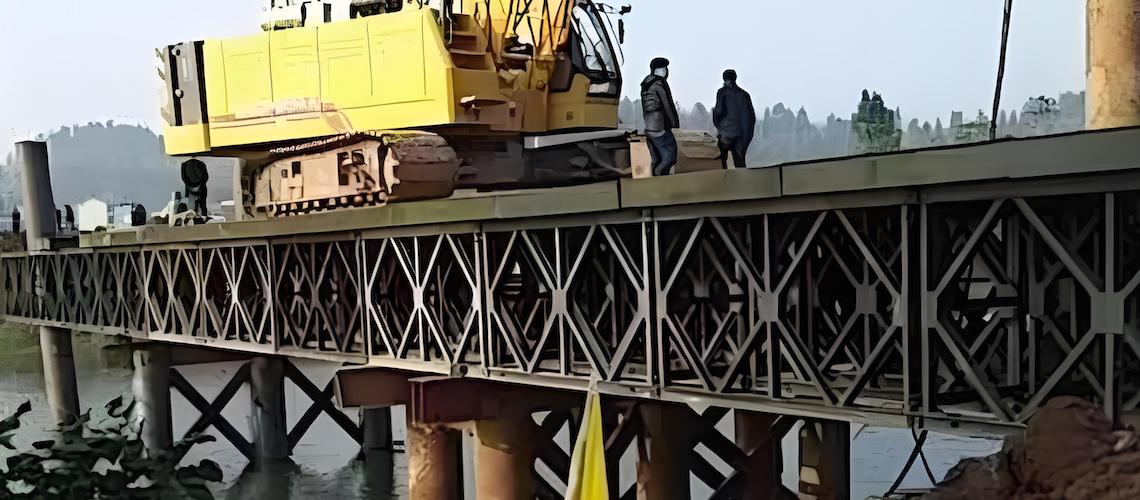
Modular Bailey bridges are prefabricated steel bridges that consist of modular components. They were originally designed during World War II for rapid deployment in combat situations. The design allows for quick assembly without the need for heavy machinery, making them ideal for temporary crossings or in areas where traditional bridge construction is impractical. The modularity of these bridges means that they can be adapted to various lengths and load capacities, making them suitable for a wide range of applications, from military operations to civilian infrastructure projects.
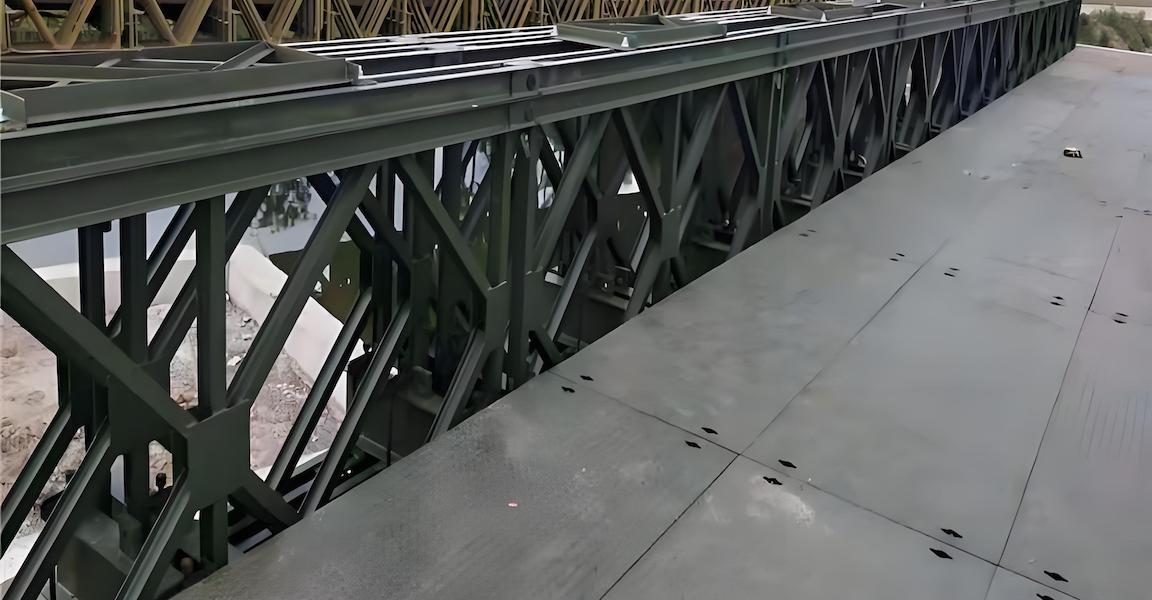
Modular Bailey bridges are characterized by their lightweight yet robust construction. They typically consist of steel panels, trusses, and other components that can be easily transported and assembled. The modular nature of these bridges allows for flexibility in design, enabling them to span various lengths and support different loads. Their ability to be quickly erected and dismantled makes them particularly useful in emergency situations, such as natural disasters or military operations. Additionally, the use of high-strength steel in their construction ensures that they can withstand significant stress and environmental challenges, contributing to their longevity and reliability.
The primary reason for inspecting Modular Bailey bridges is to ensure the safety of users. Over time, factors such as weather conditions, heavy traffic, and environmental changes can lead to wear and tear on the bridge structure. Regular inspections help identify potential issues before they become serious problems, reducing the risk of accidents and injuries. Safety inspections typically focus on critical components such as load-bearing elements, connections, and surface conditions. By addressing any identified issues promptly, bridge operators can maintain a safe environment for all users, including pedestrians, cyclists, and vehicles.
Inspections play a crucial role in maintaining the structural integrity of Modular Bailey bridges. Engineers can assess the condition of key components, such as trusses, joints, and connections, to determine if any repairs or reinforcements are needed. This proactive approach helps extend the lifespan of the bridge and ensures it remains functional for its intended use. Regular assessments can also help identify patterns of deterioration, allowing for more effective long-term maintenance strategies. By understanding how different factors affect the bridge's condition, engineers can implement targeted interventions that enhance the bridge's durability and performance.
Many regions have specific regulations and standards governing the inspection of bridges, including Modular Bailey bridges. Regular inspections help ensure compliance with these regulations, which can vary by location. Failure to adhere to inspection requirements can result in legal consequences and increased liability for bridge owners and operators. Compliance not only protects the public but also fosters trust in the infrastructure system. By maintaining rigorous inspection schedules and adhering to regulatory standards, bridge operators can demonstrate their commitment to safety and responsible management of public resources.
The frequency of inspections for Modular Bailey bridges can be influenced by the amount and type of traffic they support. Bridges that experience heavy vehicular traffic or are used by larger vehicles may require more frequent inspections than those with lighter traffic. Understanding the load capacity and usage patterns of the bridge is essential for determining an appropriate inspection schedule. For instance, a bridge that serves as a critical route for emergency services may need more frequent evaluations to ensure it can handle peak loads without compromising safety. Additionally, monitoring traffic patterns can help identify when a bridge may be subjected to unusual stress, prompting more immediate inspections.
Environmental factors, such as weather and geographical location, can significantly impact the condition of Modular Bailey bridges. Bridges located in areas with extreme weather conditions, such as heavy rainfall, snow, or high winds, may require more frequent inspections to assess potential damage. Additionally, bridges in coastal areas may be subject to corrosion from saltwater, necessitating regular evaluations. Understanding the specific environmental challenges faced by a bridge can help operators develop tailored inspection schedules that account for these risks. For example, bridges in flood-prone areas may need to be inspected more frequently after significant weather events to assess any potential water damage or structural shifts.
The age of a Modular Bailey bridge is another critical factor in determining inspection frequency. Older bridges may be more susceptible to deterioration and may require more frequent inspections to monitor their condition. As bridges age, the likelihood of structural issues increases, making it essential to stay vigilant in their maintenance. Regular inspections of older bridges can help identify early signs of fatigue or failure, allowing for timely repairs that can prevent more extensive damage. Additionally, historical data on the bridge's performance can inform future maintenance strategies, helping to prioritize resources effectively.
The results of previous inspections can also influence the frequency of future evaluations. If a bridge has been found to have significant issues in the past, it may require more frequent inspections until those issues are resolved. Conversely, if a bridge has consistently passed inspections without any major findings, the inspection interval may be extended. This adaptive approach to inspection scheduling allows for a more efficient allocation of resources, focusing attention on bridges that need it most. Furthermore, maintaining a detailed history of inspection findings can help engineers track the effectiveness of repairs and maintenance efforts over time.
Creating a comprehensive inspection plan is essential for ensuring that Modular Bailey bridges are regularly evaluated. This plan should outline the inspection schedule, the specific components to be assessed, and the qualifications of the personnel conducting the inspections. A well-structured plan helps ensure that inspections are thorough and consistent. Additionally, the plan should incorporate feedback from previous inspections to continuously improve the inspection process. By regularly reviewing and updating the inspection plan, bridge operators can adapt to changing conditions and ensure that their inspection practices remain effective and relevant.
Inspectors should be adequately trained in the specific requirements and characteristics of Modular Bailey bridges. This training should include understanding the design and construction of these bridges, as well as the common issues that may arise. Well-trained inspectors are better equipped to identify potential problems and recommend appropriate solutions. Ongoing training and professional development opportunities can further enhance inspectors' skills, keeping them informed about the latest inspection techniques and technologies. By investing in the training of inspection personnel, organizations can improve the overall quality and reliability of their bridge inspections.
Advancements in technology can enhance the inspection process for Modular Bailey bridges. Tools such as drones, ultrasonic testing equipment, and digital inspection software can provide valuable insights into the condition of the bridge. These technologies can help inspectors identify issues that may not be visible to the naked eye, improving the overall effectiveness of inspections. For example, drones can quickly survey large areas and capture high-resolution images, allowing for detailed assessments without the need for scaffolding or ladders. Additionally, digital inspection tools can streamline data collection and analysis, making it easier to track the condition of multiple bridges over time.
Thorough documentation of inspection findings is crucial for tracking the condition of Modular Bailey bridges over time. Inspectors should record their observations, including any signs of wear, damage, or necessary repairs. This documentation can serve as a valuable reference for future inspections and help inform maintenance decisions. Maintaining a centralized database of inspection records can facilitate better communication among stakeholders and ensure that all relevant parties have access to up-to-date information. Furthermore, detailed documentation can support compliance with regulatory requirements and provide evidence of due diligence in bridge management.
Following inspections, it is essential to implement any recommended maintenance or repairs promptly. Addressing issues as they arise can prevent further deterioration and extend the lifespan of the bridge. Regular maintenance, such as repainting, rust removal, and structural reinforcements, should be part of the overall management strategy for Modular Bailey bridges. By prioritizing maintenance activities based on inspection findings, bridge operators can allocate resources more effectively and ensure that critical repairs are addressed in a timely manner. Additionally, proactive maintenance can help reduce long-term costs by preventing more extensive damage that may require costly repairs or even replacement.
Regular inspections of Modular Bailey bridges are vital for ensuring their safety, maintaining structural integrity, and complying with regulations. The frequency of these inspections is influenced by various factors, including traffic load, environmental conditions, the age of the bridge, and previous inspection findings. By following best practices for inspections, including developing a comprehensive inspection plan, training inspectors, utilizing technology, documenting findings, and implementing maintenance recommendations, bridge owners and operators can effectively manage the condition of Modular Bailey bridges. Ultimately, a proactive approach to inspections and maintenance will help ensure that these versatile structures continue to serve their intended purpose safely and effectively. By investing in regular inspections and maintenance, stakeholders can protect public safety and extend the operational life of these critical infrastructure assets.
Common types of damage include:
Corrosion: Often found in steel components, especially in areas exposed to moisture or salt.
Fatigue Cracks: These can develop in load-bearing elements due to repeated stress over time.
Deformation: Structural components may warp or bend due to excessive loads or environmental factors.
Joint Wear: Connections between modular sections can wear down, leading to instability.
Surface Damage: This includes scratches, dents, or other wear that can compromise the protective coatings.
Technology enhances inspections by:
Drones: They can quickly survey large areas, capturing high-resolution images and videos without the need for scaffolding.
Sensors: Embedded sensors can monitor structural health in real-time, detecting stress, vibrations, and temperature changes.
Data Analysis Software: This can analyze inspection data to identify trends and predict maintenance needs, improving decision-making.
3D Scanning: Provides detailed models of the bridge structure, allowing for precise assessments of condition and alignment.
Remote Monitoring: Enables continuous observation of bridge conditions, reducing the need for frequent manual inspections.
Regular inspections and maintenance can lead to:
Reduced Repair Costs: Early detection of issues prevents minor problems from escalating into major repairs.
Extended Lifespan: Proper maintenance can significantly prolong the operational life of the bridge, delaying replacement costs.
Improved Safety: Regular checks reduce the risk of accidents, potentially lowering liability and insurance costs.
Optimized Resource Allocation: Data from inspections can help prioritize maintenance efforts, ensuring funds are used effectively.
Compliance with Regulations: Staying compliant with inspection standards avoids fines and legal issues, saving money in the long run.
Inspection frequency typically depends on:
Traffic Load: Heavily used bridges may require inspections every six months to a year.
Environmental Conditions: Bridges in harsh climates may need more frequent evaluations.
Age of the Bridge: Older bridges generally require more regular inspections.
Previous Inspection Findings: If past inspections revealed issues, more frequent checks may be warranted.
Usage Changes: Any changes in traffic patterns or loads should prompt a review of the inspection schedule.
Inspectors should possess:
Engineering Background: A degree in civil or structural engineering is often required.
Specialized Training: Knowledge of Modular Bailey bridge design and common failure modes is essential.
Certification: Many regions require inspectors to be certified by relevant authorities or organizations.
Experience: Practical experience in bridge inspection and maintenance enhances the inspector's ability to identify issues.
Familiarity with Technology: Understanding how to use inspection technologies, such as drones and sensors, is increasingly important.


