

Views: 221 Author: Site Editor Publish Time: 2025-03-04 Origin: Site


Content Menu
● Understanding Modular Bridges
>> Definition and Characteristics
● Environmental Benefits of Modular Bridges
>> Use of Recyclable Materials
● Frequently Asked Questions regarding Modular Bridges
>> 1. What are the primary advantages of modular bridges over traditional bridges?
>> 2. How do modular bridges impact local economies?
>> 3. In what ways do modular bridges promote environmental sustainability?
>> 4. Can modular bridges be adapted for different environments?
>> 5. What happens to modular bridges at the end of their lifecycle?
Modular bridges are an innovative solution in the field of civil engineering, offering numerous advantages that align with sustainable development goals. These structures are designed to be prefabricated in sections, allowing for rapid assembly and reduced environmental impact. This article explores the various ways modular bridges contribute to sustainability, focusing on their design, construction, and lifecycle benefits.
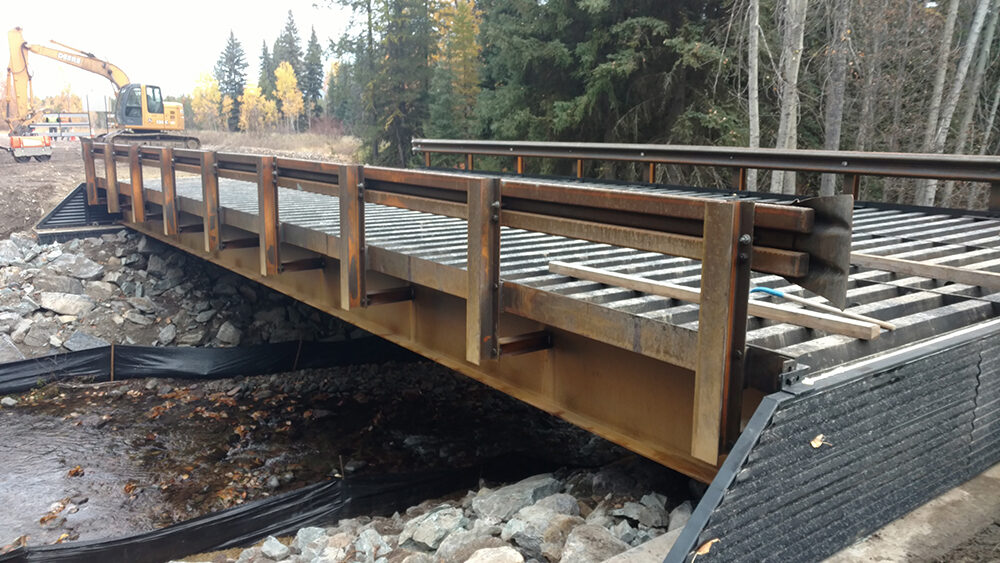
Modular bridges are pre-engineered structures that can be assembled quickly on-site. They are typically made from materials such as steel or concrete and are designed to be easily transported and installed. The modular nature of these bridges allows for flexibility in design and application, making them suitable for various environments and uses. This adaptability means that modular bridges can be customized to meet specific local needs, whether in urban settings or remote areas, ensuring that they serve their intended purpose effectively. Furthermore, the design process often incorporates advanced technologies, such as computer-aided design (CAD), which enhances precision and optimizes the structural integrity of the bridges.
There are several types of modular bridges, including:
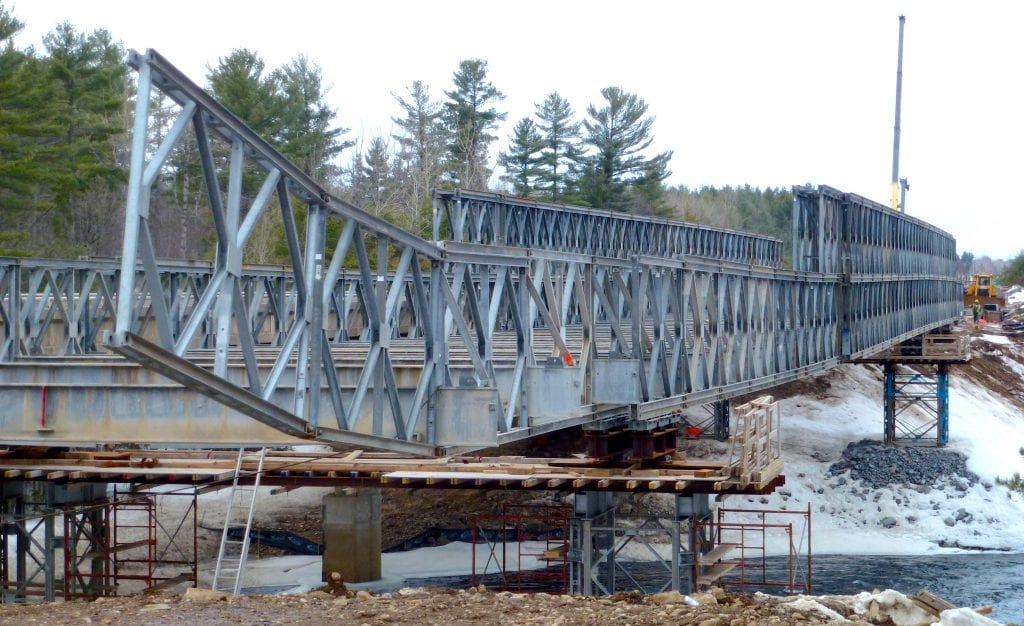
Steel Truss Bridges: Known for their strength and durability, these bridges are often used in heavy traffic areas. Their design allows for long spans without the need for intermediate supports, making them ideal for crossing wide rivers or valleys.
Precast Concrete Bridges: These bridges utilize precast concrete elements, which can be manufactured off-site and assembled quickly. This method not only speeds up construction but also ensures high quality, as the elements are produced in controlled factory conditions.
Bamboo Bridges: An eco-friendly option, bamboo bridges are lightweight and sustainable, often used in rural areas. Bamboo is a rapidly renewable resource, and its use in bridge construction exemplifies how traditional materials can be integrated into modern engineering practices.
One of the primary environmental benefits of modular bridges is the significant reduction in construction waste. Traditional bridge construction often results in excess materials and debris, which can contribute to landfill overflow and environmental degradation. In contrast, modular construction allows for precise manufacturing, minimizing waste and ensuring that materials are used efficiently. The off-site fabrication process enables better planning and inventory management, leading to a more sustainable approach to resource utilization. Additionally, any leftover materials from the manufacturing process can often be repurposed for other projects, further reducing waste.
The production and transportation of construction materials contribute significantly to carbon emissions. Modular bridges are designed to optimize material usage, which can lead to lower overall emissions. Additionally, the ability to assemble these bridges quickly reduces the time construction crews spend on-site, further decreasing emissions associated with construction activities. The use of local materials in the construction of modular bridges can also minimize transportation emissions, as sourcing materials closer to the construction site reduces the carbon footprint associated with long-distance shipping.
Many modular bridges are constructed using recyclable materials, such as steel and concrete. This not only reduces the demand for new materials but also promotes a circular economy where materials can be reused and repurposed at the end of their lifecycle. The use of recycled materials in construction helps to conserve natural resources and reduce environmental impact. Furthermore, the incorporation of sustainable materials, such as recycled plastics or composite materials, can enhance the performance and longevity of the bridges, making them even more environmentally friendly.
Modular bridges can be more cost-effective than traditional bridges due to their quick assembly and reduced labor costs. The prefabrication process allows for better budgeting and planning, which can lead to significant savings for municipalities and governments. Additionally, the reduced construction time means that traffic disruptions are minimized, which can save local economies from potential losses associated with prolonged road closures. The long-term durability of modular bridges also means that maintenance costs are often lower, providing further economic benefits over the lifespan of the structure.
In emergency situations, such as natural disasters, modular bridges can be deployed quickly to restore transportation routes. Their ability to be assembled rapidly means that communities can recover faster, minimizing economic disruption. This rapid deployment capability is crucial in disaster response scenarios, where timely access to affected areas can significantly impact recovery efforts. Moreover, the flexibility of modular bridges allows them to be relocated and reused in different contexts, providing a sustainable solution for temporary or permanent infrastructure needs.
Modular bridges can enhance accessibility in remote or underserved areas. By providing a quick and efficient means of constructing bridges, these structures can connect communities, improve transportation networks, and facilitate economic development. Improved access to transportation can lead to better educational and employment opportunities for residents, fostering social equity. Additionally, modular bridges can be designed to accommodate pedestrians and cyclists, promoting sustainable transportation options and encouraging healthier lifestyles within communities.
The construction of modular bridges often involves local communities, fostering a sense of ownership and pride. Engaging local labor and resources can also stimulate the local economy and promote sustainable practices within the community. Community involvement in the planning and construction phases can lead to designs that better reflect local needs and preferences, ensuring that the bridges serve their intended purpose effectively. Furthermore, educational programs associated with modular bridge projects can raise awareness about sustainable practices and inspire future generations to prioritize environmental stewardship.
Modular bridges are designed for longevity, often requiring less maintenance than traditional bridges. Their robust construction materials and design can withstand harsh environmental conditions, reducing the need for frequent repairs and replacements. This durability not only extends the lifespan of the bridges but also contributes to lower overall lifecycle costs. Regular inspections and maintenance can be streamlined due to the modular design, allowing for targeted interventions that enhance the bridge's performance and safety.
At the end of their lifecycle, modular bridges can be dismantled and their components recycled. This approach not only reduces landfill waste but also allows for the materials to be reused in new construction projects, further promoting sustainability. The ability to recycle materials at the end of a bridge's life cycle aligns with the principles of a circular economy, where resources are kept in use for as long as possible. This not only conserves natural resources but also reduces the environmental impact associated with the extraction and processing of new materials.
Modular bridges represent a significant advancement in sustainable infrastructure development. Their ability to reduce waste, lower carbon emissions, and utilize recyclable materials makes them an environmentally friendly option for modern construction. Additionally, the economic and social benefits they provide contribute to their appeal as a solution for communities seeking to enhance their transportation networks sustainably. As the demand for sustainable infrastructure continues to grow, modular bridges will play a crucial role in shaping the future of civil engineering, offering a pathway toward more resilient and environmentally responsible communities.
Modular bridges offer several advantages, including reduced construction time, lower costs, minimized waste, and the ability to use recyclable materials. Their prefabricated nature allows for quick assembly on-site, which is particularly beneficial in emergency situations.
Modular bridges can positively impact local economies by providing quick access to transportation routes, which facilitates trade and mobility. Their construction often involves local labor and materials, stimulating economic activity and creating jobs within the community.
Modular bridges promote environmental sustainability by reducing construction waste, lowering carbon emissions, and utilizing recyclable materials. Their design allows for efficient use of resources, and they can be constructed with minimal environmental disruption.
Yes, modular bridges are highly adaptable and can be designed for various environments, including urban, rural, and remote areas. Their modular nature allows for customization to meet specific local needs, such as accommodating different traffic loads or environmental conditions.
At the end of their lifecycle, modular bridges can be dismantled, and their components can be recycled or repurposed for new construction projects. This approach aligns with sustainable practices by reducing landfill waste and conserving natural resources through the reuse of materials.


