

Views: 221 Author: Site Editor Publish Time: 2025-04-07 Origin: Site


Content Menu
● Understanding Modular Pedestrian Bridges
>> Advantages of Modular Design
● Customization Options for Modular Pedestrian Bridges
● Factors Influencing Customization
>> Environmental Considerations
>> Community Needs and Preferences
● Case Studies of Customized Modular Pedestrian Bridges
● Future Trends in Modular Pedestrian Bridge Customization
>> Smart Technology Integration
>> Enhanced Community Engagement
● Frequently Asked Questions regarding Modular Pedestrian Bridges
>> 1. What are the primary benefits of using modular pedestrian bridges?
>> 2. How can modular pedestrian bridges be customized for specific locations?
>> 3. What factors should be considered when designing a modular pedestrian bridge?
>> 4. Are there any challenges associated with customizing modular pedestrian bridges?
>> 5. What future trends are emerging in the design of modular pedestrian bridges?
Modular pedestrian bridges have emerged as a versatile solution for enhancing connectivity in urban and rural environments. Their design allows for customization, making them suitable for various locations and specific needs. This article explores the concept of modular pedestrian bridges, their benefits, customization options, and the factors influencing their design and implementation.
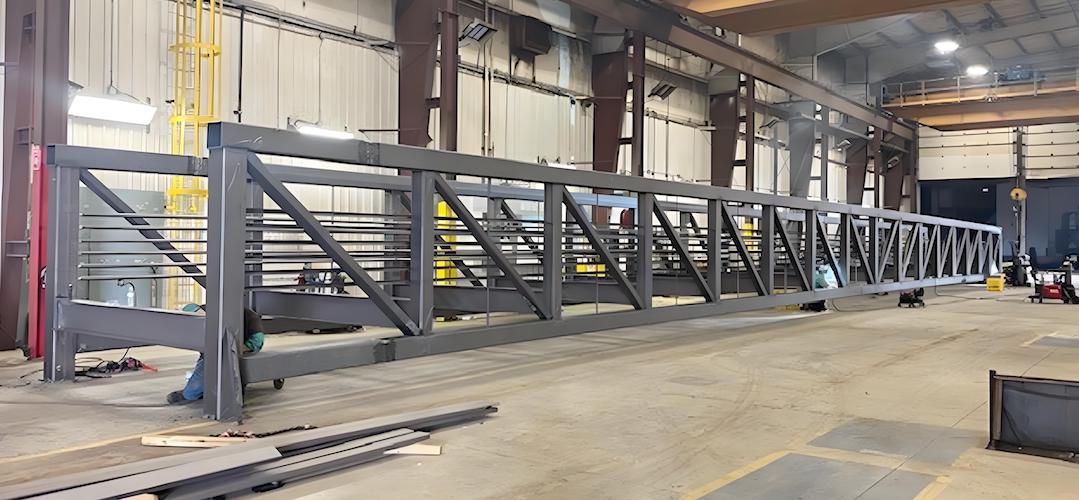
Modular pedestrian bridges are prefabricated structures designed to facilitate pedestrian movement across obstacles such as roads, rivers, or railway tracks. These bridges are constructed from standardized components that can be assembled on-site, allowing for quick installation and reduced construction time. The modular nature of these bridges means they can be easily transported and adapted to different environments. This adaptability is particularly beneficial in areas where traditional bridge construction would be impractical or too time-consuming. The use of modular components also allows for a high degree of precision in manufacturing, ensuring that each piece fits together seamlessly during assembly.
The modular design offers several advantages, including:
Speed of Construction: Modular bridges can be assembled quickly, often within a day, minimizing disruption to the surrounding area. This rapid deployment is especially advantageous in urban settings where traffic and pedestrian flow must be maintained.
Cost-Effectiveness: Prefabrication reduces labor costs and material waste, making these bridges a financially viable option for many projects. The ability to produce components in a controlled factory environment also leads to higher quality and lower defect rates.
Flexibility: The ability to customize components allows for a wide range of designs, accommodating various aesthetic and functional requirements. This flexibility means that bridges can be tailored to fit the specific needs of a community, enhancing their usability and appeal.
One of the most significant benefits of modular pedestrian bridges is the ability to customize their appearance. This includes:
Materials: Bridges can be constructed from various materials, including steel, aluminum, and composite materials, each offering different aesthetic qualities and durability. The choice of material can also impact the bridge's maintenance requirements and lifespan, with some materials being more resistant to weathering and corrosion.
Color and Finish: Custom paint and finishes can be applied to match the surrounding environment or community preferences, enhancing visual appeal. This aspect of customization allows for creative expression and can help the bridge blend into its surroundings or stand out as a landmark.
Design Features: Unique architectural elements, such as railings, lighting, and decorative panels, can be integrated into the bridge design to create a distinctive look. These features not only enhance aesthetics but can also improve safety and functionality, such as incorporating LED lighting for visibility at night.
Beyond aesthetics, functional customization is crucial for ensuring that the bridge meets the specific needs of its location. This includes:
Dimensions: The width and height of the bridge can be adjusted to accommodate expected foot traffic and the types of users, such as cyclists or individuals with disabilities. This consideration is vital for ensuring accessibility and compliance with local regulations regarding universal design.
Load Capacity: Bridges can be designed to support varying loads, from pedestrian traffic to emergency vehicles, depending on the intended use. This flexibility allows for the bridge to serve multiple purposes, such as providing access for maintenance vehicles or emergency responders in critical situations.
Integration with Surroundings: Custom designs can include features that enhance accessibility, such as ramps, steps, and landings that align with existing pathways and infrastructure. This thoughtful integration ensures that the bridge is not only functional but also enhances the overall connectivity of the area.
When customizing a modular pedestrian bridge, environmental factors play a significant role. These include:
Topography: The natural landscape, including hills, water bodies, and existing structures, will influence the bridge's design and placement. Understanding the topography is essential for ensuring that the bridge is safe and functional, as well as for minimizing environmental impact during construction.
Climate: Weather conditions, such as wind, rain, and snow, must be considered to ensure the bridge's durability and safety. For instance, in areas prone to heavy snowfall, the design may need to incorporate features that prevent snow accumulation and ensure structural integrity.
Ecosystem Impact: Custom designs should minimize disruption to local wildlife and habitats, incorporating features that promote ecological balance. This might include using materials that are less harmful to the environment or designing the bridge to allow for wildlife passage beneath it.
Engaging with the local community is essential for successful bridge customization. Factors to consider include:
Cultural Significance: The bridge design can reflect local history or cultural identity, fostering a sense of ownership and pride among residents. Incorporating local art or historical references into the design can create a stronger connection between the bridge and the community it serves.
User Feedback: Gathering input from potential users can help identify specific needs, such as safety features or preferred pathways, ensuring the bridge serves its intended purpose effectively. Community workshops or surveys can be effective tools for collecting this feedback and ensuring that the design process is inclusive.
In urban settings, modular pedestrian bridges have been successfully customized to enhance connectivity and accessibility. For example, a bridge in a bustling city center was designed with a sleek, modern aesthetic, featuring integrated lighting and seating areas. This not only improved pedestrian flow but also created a vibrant public space. The incorporation of seating areas encourages social interaction and provides a resting place for pedestrians, enhancing the overall user experience.
In rural areas, modular bridges have been adapted to blend seamlessly with the natural landscape. A bridge spanning a river in a national park was constructed using natural materials and colors, ensuring it complemented the surrounding environment. This customization not only preserved the area's beauty but also attracted visitors, enhancing the park's accessibility. The design included features such as interpretive signage and viewing platforms, allowing visitors to engage with the natural surroundings while using the bridge.
Customizing modular pedestrian bridges often involves navigating complex regulations and standards. Local building codes, safety regulations, and environmental guidelines must be adhered to, which can limit design options. Engaging with regulatory bodies early in the design process can help mitigate these challenges. Understanding the regulatory landscape is crucial for ensuring that the bridge meets all necessary requirements and can be constructed without delays.
While modular bridges are generally cost-effective, extensive customization can increase costs. Balancing aesthetic and functional requirements with budget limitations is crucial. Prioritizing essential features and exploring funding options can help manage expenses. Collaborating with local governments or seeking grants for community projects can provide additional financial support, making it easier to achieve the desired design without compromising on quality.
As sustainability becomes a priority in construction, the use of eco-friendly materials in modular pedestrian bridges is on the rise. Innovations in recycled materials and sustainable manufacturing processes are paving the way for greener bridge designs. This trend not only reduces the environmental impact of construction but also appeals to communities that prioritize sustainability in their infrastructure projects.
The integration of smart technology into modular pedestrian bridges is an emerging trend. Features such as solar lighting, sensors for monitoring foot traffic, and real-time information displays can enhance user experience and safety. These technologies can provide valuable data for city planners, helping them understand usage patterns and make informed decisions about future infrastructure investments.
Future projects are likely to place greater emphasis on community involvement in the design process. Utilizing digital platforms for feedback and visualization can help ensure that the final design meets the needs and preferences of local residents. Engaging the community through interactive design sessions or virtual reality simulations can foster a sense of ownership and ensure that the bridge truly reflects the community's identity.
Modular pedestrian bridges represent a flexible and efficient solution for enhancing connectivity in various environments. Their ability to be customized for specific locations allows for a harmonious blend of functionality and aesthetics. As technology and materials continue to evolve, the potential for innovative designs and sustainable practices will only increase, making modular pedestrian bridges a vital component of future infrastructure development. By prioritizing customization and community engagement, these bridges can serve not only as functional structures but also as symbols of connectivity and community pride.
The primary benefits of modular pedestrian bridges include rapid construction, cost-effectiveness, flexibility in design, and reduced environmental impact. Their prefabricated nature allows for quick assembly on-site, minimizing disruption and labor costs. Additionally, they can be customized to meet specific aesthetic and functional needs, making them suitable for various locations.
Modular pedestrian bridges can be customized through various means, including selecting appropriate materials, adjusting dimensions to fit the site, incorporating local design elements, and integrating features that enhance accessibility. Community input can also guide the customization process to ensure the bridge meets local needs and preferences.
Key factors to consider include environmental conditions (such as topography and climate), community needs and preferences, regulatory compliance, and the intended use of the bridge. These considerations help ensure that the bridge is safe, functional, and aesthetically pleasing while minimizing its impact on the surrounding area.
Yes, challenges can include navigating complex regulatory requirements, managing budget constraints, and ensuring that the design meets both aesthetic and functional needs. Additionally, extensive customization may lead to increased costs and longer timelines, which need to be carefully managed.
Future trends include the use of sustainable materials, integration of smart technology (such as sensors and solar lighting), and enhanced community engagement in the design process. These trends aim to create more environmentally friendly, user-friendly, and community-oriented bridge designs that reflect the needs and values of local populations.


