

Views: 221 Author: Site Editor Publish Time: 2025-05-19 Origin: Site


Content Menu
● Understanding Temporary Movable Bridges
>> Definition and Characteristics
>> Types of Temporary Movable Bridges
>> Advantages of Temporary Movable Bridges
● Applications of Temporary Movable Bridges in Emergencies
>> Infrastructure Repair and Maintenance
● Challenges and Considerations
>> Load Capacity and Design Limitations
>> Environmental Considerations
>> Weather and Environmental Conditions
● Comparing Temporary Movable Bridges and Floating Bridges
>> Deployment Speed and Flexibility
● Case Studies of Temporary Movable Bridges in Action
>> Military Exercises in Urban Environments
● Future Trends in Temporary Movable Bridge Technology
>> Advancements in Materials and Design
>> Integration with Smart Infrastructure
● Frequently Asked Questions regarding Temporary Movable Bridge
>> 1. What are the typical weight limits for temporary movable bridges?
>> 2. How do environmental regulations impact the deployment of temporary movable bridges?
>> 3. What are the best practices for maintaining temporary movable bridges in emergency situations?
>> 4. How long can temporary movable bridges remain in place?
>> 5. What factors influence the choice between a temporary movable bridge and a floating bridge?
In emergency situations, the need for rapid and effective infrastructure solutions becomes paramount. Two prominent types of bridges that can be deployed in such scenarios are temporary movable bridges and floating bridges. Each type has its unique advantages and disadvantages, making them suitable for different contexts and requirements. This article will explore the characteristics, applications, and considerations of temporary movable bridges, providing a comprehensive understanding of their role in emergency situations.
Temporary movable bridges are designed to be easily transported and assembled at various locations. They are typically constructed using lightweight materials, allowing for quick deployment and removal. These bridges can be raised or lowered to accommodate different water levels or traffic needs, making them versatile for various environments.
The design of temporary movable bridges often includes features such as modular components, which facilitate rapid assembly and disassembly. This modularity is crucial in emergency situations where time is of the essence. The ability to adapt to different spans and load requirements further enhances their utility. Additionally, the engineering behind these bridges often incorporates safety features such as locking mechanisms and stability supports, ensuring that they can withstand the stresses of both vehicular and pedestrian traffic.
There are several types of temporary movable bridges, each with specific characteristics that make them suitable for different applications. The most common types include:
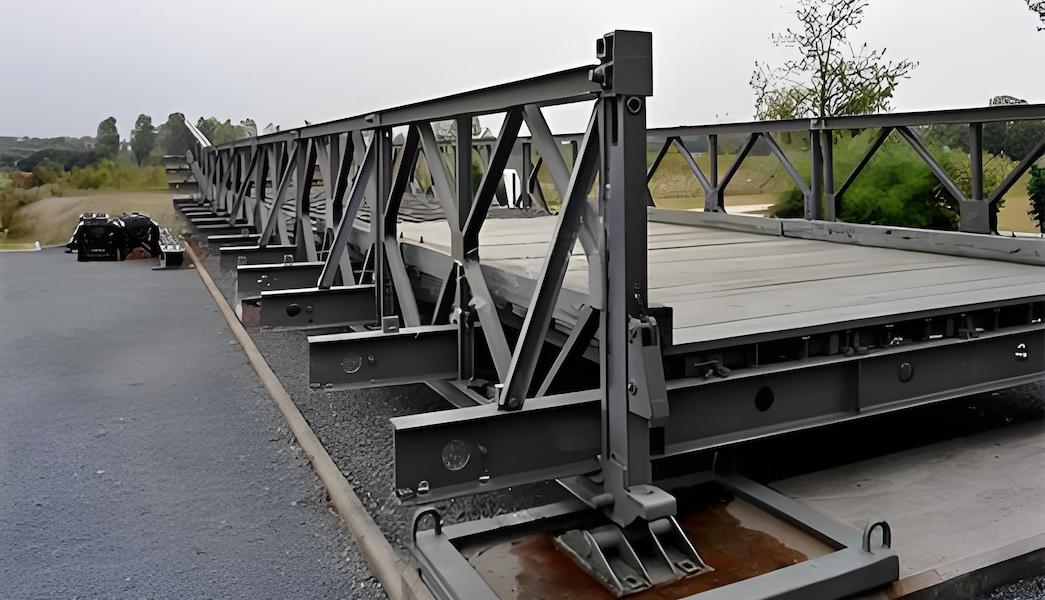
Bailey Bridges: These are prefabricated, modular bridges that can be assembled quickly. They are often used in military applications and disaster relief efforts due to their ease of transport and installation. The Bailey bridge's design allows for various configurations, making it adaptable to different spans and load requirements.
Pontoon Bridges: These bridges float on water and are supported by pontoons. They can be quickly deployed in flood situations or where traditional bridge construction is not feasible. Pontoon bridges are particularly useful in areas with fluctuating water levels, as they can be adjusted to accommodate changes in the waterline.
Swing Bridges: These bridges rotate around a pivot point to allow vessels to pass. They are useful in areas with significant water traffic and can be deployed temporarily in emergency situations. The design of swing bridges allows for efficient use of space, making them ideal for urban environments where land is at a premium.
Drawbridges: Similar to swing bridges, drawbridges can be raised to allow boats to pass underneath. They are often used in urban settings where waterways intersect with roadways. The ability to raise the bridge provides a dual function, allowing for both vehicular traffic and waterway navigation.
Temporary movable bridges offer several advantages in emergency situations. Their primary benefits include:
Rapid Deployment: The modular design allows for quick assembly, enabling immediate access to affected areas. This speed is critical in emergencies where every moment counts, as it can significantly impact the effectiveness of rescue and relief operations.
Flexibility: These bridges can be adapted to various spans and load requirements, making them suitable for different types of vehicles and pedestrian traffic. This adaptability ensures that they can meet the specific needs of a given situation, whether it involves heavy military vehicles or light emergency response units.
Cost-Effectiveness: Temporary movable bridges are often less expensive to deploy than permanent structures, making them an attractive option for emergency response teams. The lower cost allows organizations to allocate resources more effectively, ensuring that funds can be directed toward other critical areas of disaster response.
Minimal Environmental Impact: Since these bridges are temporary, they can be removed after the emergency has passed, reducing long-term environmental effects. This aspect is particularly important in sensitive ecological areas where permanent structures could disrupt local wildlife and habitats.
In the aftermath of natural disasters such as floods, earthquakes, or hurricanes, infrastructure can be severely damaged. Temporary movable bridges play a crucial role in disaster relief operations by providing immediate access to affected areas. They enable emergency responders to deliver aid, evacuate residents, and restore essential services.
For instance, after a flood, traditional bridges may be submerged or destroyed. Temporary movable bridges can be quickly installed to reconnect communities, allowing for the transportation of food, medical supplies, and other critical resources. The ability to establish these connections rapidly can be the difference between life and death for many individuals in isolated areas.
Temporary movable bridges are also extensively used in military operations. They provide essential support for troop movements, equipment transport, and logistical operations in conflict zones. The ability to quickly deploy and dismantle these bridges allows military forces to adapt to changing battlefield conditions.
In military exercises, temporary movable bridges are often used to simulate real-world scenarios, ensuring that troops are prepared for rapid deployment in various environments. Their versatility makes them an invaluable asset in both training and operational contexts. The experience gained from using these bridges in exercises can enhance the readiness of military personnel, ensuring they can respond effectively in actual combat situations.
When existing bridges require repair or maintenance, temporary movable bridges can serve as effective detours. They allow for the continued flow of traffic while ensuring that essential infrastructure remains operational. This is particularly important in urban areas where traffic congestion can have significant economic impacts.
By providing a temporary solution, these bridges help minimize disruptions and maintain connectivity during critical repair periods. This application is vital for maintaining public safety and ensuring that emergency services can operate without hindrance. The use of temporary bridges in this context can also help prevent economic losses associated with prolonged road closures.
While temporary movable bridges offer many advantages, they also come with certain limitations. One of the primary concerns is load capacity. These bridges are typically designed for specific weight limits, which may not accommodate heavy vehicles or large emergency response equipment.
Designers must carefully consider the expected traffic and load requirements when selecting a temporary movable bridge for a specific situation. In some cases, additional reinforcement may be necessary to ensure safety and stability. This consideration is crucial, as exceeding the load capacity can lead to structural failure, posing risks to both vehicles and pedestrians.
Although temporary movable bridges are generally considered to have a minimal environmental impact, their deployment can still pose challenges. For example, floating bridges may disrupt local ecosystems, particularly in sensitive aquatic environments.
It is essential to conduct environmental assessments before deploying these structures to mitigate potential negative effects. This includes evaluating the impact on local wildlife, water quality, and surrounding habitats. By understanding the ecological context, planners can make informed decisions that balance infrastructure needs with environmental protection.
Weather conditions can significantly affect the performance and safety of temporary movable bridges. High winds, heavy rain, or extreme temperatures can compromise the structural integrity of these bridges.
Emergency planners must consider local weather patterns and environmental conditions when deploying temporary movable bridges. This includes monitoring forecasts and being prepared to take action if conditions deteriorate. Additionally, contingency plans should be in place to address potential weather-related challenges, ensuring that the bridges remain safe and functional during adverse conditions.
Temporary movable bridges and floating bridges differ significantly in their design and construction. Temporary movable bridges are typically supported by piers or abutments, while floating bridges rely on buoyancy to remain above water.
This fundamental difference affects their applications and suitability for various environments. For example, floating bridges are ideal for areas with fluctuating water levels, while temporary movable bridges may be more appropriate for solid ground or stable water bodies. Understanding these structural differences is essential for selecting the right type of bridge for a given situation.
Both types of bridges are designed for rapid deployment, but temporary movable bridges often have the edge in terms of speed. Their modular components can be assembled quickly, allowing for immediate access to affected areas.
Floating bridges, while also deployable, may require more time to assemble and secure, particularly in challenging weather conditions. This difference can be critical in emergency situations where every minute counts. The ability to deploy a bridge quickly can significantly enhance the effectiveness of emergency response efforts.
Cost is a significant factor in the decision-making process for emergency bridge deployment. Temporary movable bridges are generally more cost-effective than floating bridges, making them a preferred choice for many emergency response teams.
The lower cost of materials and construction, combined with the speed of deployment, makes temporary movable bridges an attractive option for organizations with limited budgets. This cost-effectiveness allows for more efficient allocation of resources, ensuring that funds can be directed toward other critical areas of disaster response.
During Hurricane Katrina, temporary movable bridges played a vital role in the recovery efforts. Many roads and bridges were destroyed, isolating communities and hindering rescue operations.
Emergency responders quickly deployed temporary movable bridges to restore access to affected areas. These bridges allowed for the transportation of supplies and personnel, facilitating a more efficient response to the disaster. The rapid deployment of these bridges was instrumental in reconnecting communities and ensuring that aid could reach those in need.
In military training exercises, temporary movable bridges have been used to simulate urban combat scenarios. These exercises help prepare troops for real-world situations where rapid deployment of infrastructure is necessary.
By practicing the assembly and use of temporary movable bridges, military personnel can develop the skills needed to respond effectively in emergency situations. The experience gained from these exercises enhances the readiness of troops, ensuring they are well-prepared for the challenges they may face in actual operations.
As technology continues to evolve, so too does the design and construction of temporary movable bridges. Innovations in materials, such as lightweight composites and advanced steel alloys, are making these bridges even more durable and easier to transport.
Future designs may incorporate smart technology, allowing for real-time monitoring of structural integrity and load capacity. This could enhance safety and performance, particularly in emergency situations. The integration of technology into bridge design represents a significant advancement that could improve the overall effectiveness of temporary movable bridges.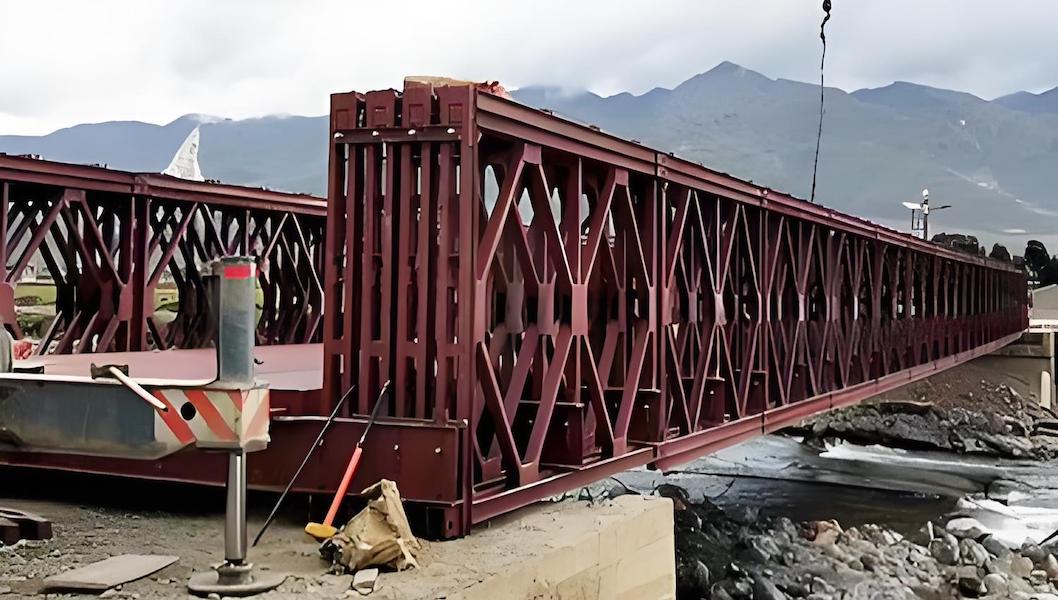
The integration of temporary movable bridges with smart infrastructure systems is another emerging trend. By connecting these bridges to real-time data networks, emergency responders can make informed decisions about deployment and usage.
This integration could improve response times and enhance the overall effectiveness of emergency operations, ensuring that resources are allocated where they are needed most. The ability to access real-time data can help emergency planners make better decisions, ultimately leading to more successful outcomes in crisis situations.
Temporary movable bridges are a critical asset in emergency situations, offering rapid deployment, flexibility, and cost-effectiveness. Their ability to provide immediate access to affected areas makes them invaluable in disaster relief operations, military applications, and infrastructure maintenance.
While they do have limitations, such as load capacity and environmental considerations, ongoing advancements in technology and design are likely to enhance their effectiveness in the future. As communities continue to face the challenges posed by natural disasters and other emergencies, the role of temporary movable bridges will remain essential in ensuring safety and connectivity. The continued development and refinement of these structures will play a vital role in improving emergency response capabilities and enhancing resilience in the face of adversity.
Temporary movable bridges typically have weight limits ranging from 10 to 60 tons, depending on their design and materials. For example, Bailey bridges can support loads of up to 40 tons, while more robust designs may accommodate heavier vehicles.
Environmental regulations require assessments to ensure that the deployment of temporary movable bridges does not harm local ecosystems. This includes evaluating potential impacts on wildlife, water quality, and habitats, which can affect where and how these bridges are installed.
Best practices for maintaining temporary movable bridges include regular inspections for structural integrity, monitoring load capacities, and ensuring that all components are secure. Additionally, emergency response teams should have contingency plans in place for rapid repairs if damage occurs.
Temporary movable bridges can remain in place for varying durations, typically from a few weeks to several months, depending on the specific emergency situation and the need for a permanent solution. However, they are designed to be removed once the immediate need has passed.
Factors influencing the choice between a temporary movable bridge and a floating bridge include the specific site conditions (such as water levels and soil stability), the expected load requirements, deployment speed, and cost considerations. Each type of bridge has unique advantages that make it suitable for different scenarios.


