

Views: 221 Author: Site Editor Publish Time: 2025-06-11 Origin: Site


Content Menu
● Understanding the Purpose of Temporary Foot Bridges
>> Applications of Temporary Foot Bridges
>> Benefits of Temporary Foot Bridges
● Key Design Considerations for Temporary Foot Bridges
● Safety Measures in Temporary Foot Bridge Design
● Environmental Considerations
● Frequently Asked and Questions regarding Temporary Foot Bridge
>> 1. What are the common regulatory standards for temporary footbridge construction?
>> 2. How can modular design principles improve the efficiency of temporary footbridge deployment?
>> 3. What innovative materials are being explored for sustainable temporary footbridge solutions?
>> 4. How do temporary foot bridges impact pedestrian safety?
>> 5. What factors should be considered when selecting a location for a temporary foot bridge?
Temporary foot bridges serve as essential structures in various scenarios, from construction sites to emergency situations. They provide safe passage for pedestrians when permanent pathways are unavailable. This article explores the critical aspects of designing a temporary foot bridge, including its purpose, materials, design considerations, safety measures, and environmental impact.
Temporary foot bridges are often erected to facilitate pedestrian movement in areas where permanent structures are either impractical or under construction. They are crucial in maintaining accessibility and safety for individuals navigating around construction sites, natural disasters, or other disruptions.
Temporary foot bridges can be utilized in numerous situations. In construction, they allow workers and visitors to cross over active work zones safely, minimizing the risk of accidents and ensuring that work can proceed without unnecessary delays. In disaster relief, they provide essential access to communities affected by floods or landslides, enabling emergency responders to deliver aid and allowing residents to evacuate safely. Additionally, during events or festivals, temporary foot bridges can help manage large crowds by directing foot traffic efficiently, reducing congestion and enhancing the overall experience for attendees.
The primary benefit of temporary foot bridges is their ability to provide immediate solutions to accessibility issues. They can be constructed quickly and dismantled just as easily, making them ideal for short-term needs. Furthermore, they can be designed to accommodate various loads, ensuring safety for all users. The flexibility of temporary foot bridges allows for creative solutions tailored to specific environments, whether it be a bustling urban area or a remote rural location. This adaptability makes them invaluable in situations where time and resources are limited.
Designing a temporary foot bridge involves several critical considerations to ensure its functionality, safety, and durability.
One of the foremost considerations in the design of a temporary foot bridge is its load capacity. The bridge must be able to support the weight of pedestrians, equipment, and any additional loads that may be present. Engineers must calculate the maximum expected load and design the bridge accordingly to prevent structural failure. This involves not only understanding the static loads but also accounting for dynamic loads, such as those caused by groups of people moving across the bridge simultaneously. Proper load calculations are essential to ensure that the bridge remains safe and functional throughout its intended use.
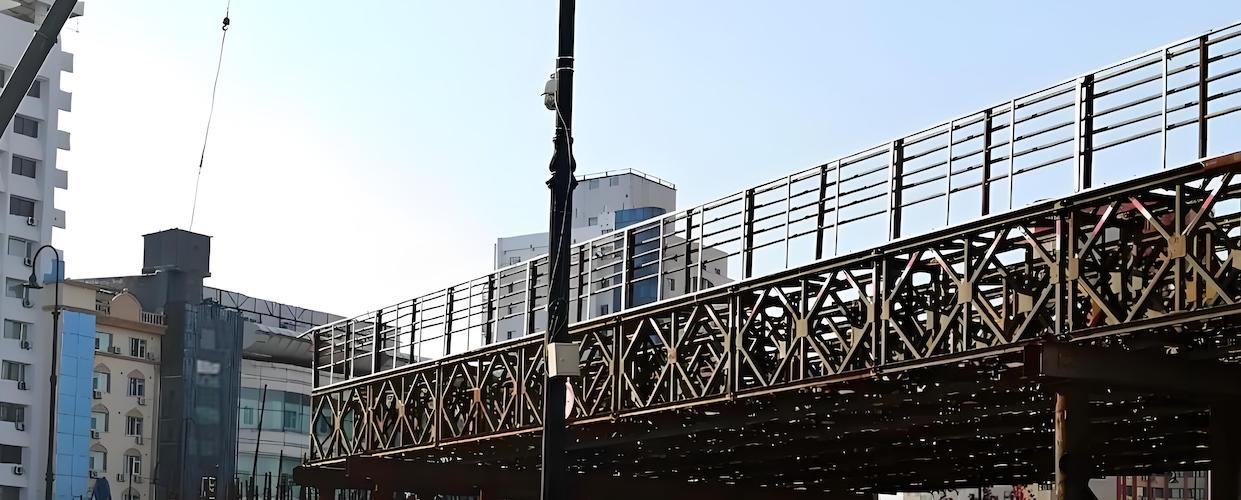
The choice of materials is vital in the construction of a temporary foot bridge. Common materials include wood, steel, and aluminum. Each material has its advantages and disadvantages. For instance, wood is often more readily available and easier to work with, while steel offers greater strength and durability. The selection should consider factors such as weight, cost, and environmental conditions. Additionally, the material's resistance to weathering and corrosion is crucial, especially for bridges exposed to the elements. Innovative materials, such as composite materials or recycled plastics, are also being explored for their potential to reduce environmental impact while maintaining structural integrity.
The span of the bridge is another critical design element. The distance between supports will determine the overall length and height of the bridge. Designers must ensure that the bridge is not only functional but also aesthetically pleasing, especially in public spaces. The dimensions should accommodate the expected foot traffic while providing a comfortable and safe crossing experience. Consideration of the bridge's height is also important, particularly in areas where clearance is necessary for vehicles or natural features like rivers. A well-designed bridge will blend seamlessly into its surroundings while fulfilling its practical purpose.
Safety is paramount in the design and construction of temporary foot bridges. Several measures can be implemented to enhance safety for users.
Incorporating handrails and barriers is essential for preventing falls and ensuring pedestrian safety. Handrails should be installed at a height that is comfortable for users and should be sturdy enough to withstand pressure. Barriers can also be used to guide foot traffic and keep pedestrians away from the edges of the bridge. The design of these safety features should consider the demographics of the users, including children, the elderly, and individuals with disabilities, ensuring that the bridge is accessible to everyone.
The surface of the bridge should be designed to provide adequate traction, especially in wet or slippery conditions. Non-slip materials or surface treatments can significantly reduce the risk of accidents. Additionally, regular maintenance checks should be conducted to ensure that the surface remains safe for use. This includes inspecting for wear and tear, cleaning debris, and addressing any issues that may arise during the bridge's lifespan. A well-maintained surface not only enhances safety but also prolongs the life of the bridge.
Designing a temporary foot bridge with emergency access in mind is crucial. This includes ensuring that the bridge can support emergency vehicles if necessary and that it is easily accessible for first responders. Clear signage should also be placed to guide users in case of an emergency. Furthermore, conducting regular drills and training for personnel on how to respond in emergencies can enhance preparedness and ensure that everyone knows how to use the bridge safely during critical situations.
When designing a temporary foot bridge, it is essential to consider its environmental impact.
Temporary foot bridges should be designed to minimize their environmental footprint. This can be achieved by selecting materials that are sustainable and by ensuring that the construction process does not disturb the surrounding ecosystem. The use of modular designs can also facilitate easier assembly and disassembly, reducing the time and resources needed for construction. By minimizing the physical footprint of the bridge, designers can help preserve the natural landscape and protect local wildlife habitats.
In areas where wildlife is present, it is crucial to design the bridge in a way that protects local fauna. This may involve creating wildlife corridors or ensuring that the bridge does not obstruct animal movement. Additionally, incorporating features such as green roofs or planting native vegetation around the bridge can enhance biodiversity and create a more harmonious relationship between the structure and its environment. Engaging with local environmental groups during the design process can provide valuable insights into how to best protect wildlife.
Designing temporary foot bridges with reusability in mind can significantly reduce waste. Materials that can be easily disassembled and reused for future projects should be prioritized. Additionally, any materials that are no longer needed should be recycled whenever possible. This approach not only conserves resources but also aligns with broader sustainability goals. By considering the entire lifecycle of the materials used, designers can contribute to a more sustainable construction industry.
Designing a temporary foot bridge involves a careful balance of functionality, safety, and environmental considerations. By understanding the purpose of these structures and addressing key design elements, engineers can create effective solutions that meet the needs of pedestrians while ensuring safety and sustainability. As urban areas continue to evolve and face challenges, the role of temporary foot bridges will remain vital in maintaining accessibility and safety for all. The ongoing development of innovative materials and design practices will further enhance the effectiveness of these structures, ensuring they can adapt to the changing needs of communities.

Temporary foot bridges must comply with local building codes and safety regulations, which often include guidelines on load capacity, materials used, and structural integrity. These standards ensure that the bridges are safe for public use and can withstand environmental factors.
Modular design allows for prefabricated sections of the bridge to be manufactured off-site and then assembled on location. This approach reduces construction time, minimizes disruption to the surrounding area, and allows for easier disassembly and reuse in future projects.
Innovative materials such as recycled plastics, composite materials, and engineered wood are being explored for their sustainability. These materials can reduce environmental impact while providing the necessary strength and durability for temporary structures.
Temporary foot bridges can enhance pedestrian safety by providing designated crossing points over hazardous areas, such as construction sites or flooded regions. Proper design features, such as handrails and non-slip surfaces, further contribute to user safety.
When selecting a location for a temporary foot bridge, factors such as foot traffic volume, environmental impact, accessibility for construction equipment, and proximity to existing pathways should be considered. Additionally, the potential for flooding or other natural hazards should be assessed to ensure the bridge remains safe throughout its use.


