

Views: 256 Author: Site Editor Publish Time: 2025-06-03 Origin: Site


Content Menu
● Understanding Prefabricated Modular Bridges
>> What Are Prefabricated Modular Bridges?
>> Key Features of Modular Bridges
● Advantages of Wholesale Prefabricated Modular Bridges
>> 3. Enhanced Quality Control
● Applications of Prefabricated Modular Bridges
>> 1. Transportation Infrastructure
● Leading Companies in Prefabricated Modular Bridge Manufacturing
● Frequently Asked and Questions regarding Wholesale Prefabricated Modular Bridge
>> 1. What is the typical lifespan of a prefabricated modular bridge?
>> 2. How do prefabricated modular bridges compare in cost to traditional bridge construction methods?
>> 3. What are the primary design considerations when planning a prefabricated modular bridge project?
>> 4. Can prefabricated modular bridges be used in remote or difficult-to-access locations?
>> 5. What types of materials are commonly used in prefabricated modular bridges?
Prefabricated modular bridges have emerged as a revolutionary solution in the field of civil engineering and construction. These structures are designed to be manufactured off-site and then transported to the installation location, where they can be assembled quickly and efficiently. This article explores the various benefits of wholesale prefabricated modular bridges, their applications, and the companies leading the way in this innovative sector.
Prefabricated modular bridges are structures made from pre-manufactured components that are assembled on-site. These bridges can be designed for various applications, including vehicular traffic, pedestrian pathways, and even military use. The modular nature of these bridges allows for flexibility in design and construction, making them suitable for a wide range of environments and requirements. The components are typically made from high-strength materials such as steel or reinforced concrete, ensuring they can support significant loads while maintaining structural integrity. This adaptability is crucial in today’s diverse construction landscape, where projects often require unique solutions tailored to specific site conditions.
Modular bridges are characterized by several key features that enhance their appeal:
Rapid Construction: The off-site manufacturing process allows for quicker assembly on-site, significantly reducing construction time. This is particularly advantageous in urban areas where minimizing disruption is essential.
Cost-Effectiveness: By minimizing labor costs and construction time, these bridges can be a more economical choice compared to traditional bridge construction methods. The reduced need for extensive on-site labor also translates to lower overall project costs.
Durability: Made from high-quality materials, prefabricated bridges are designed to withstand various environmental conditions, ensuring longevity and reliability. Many manufacturers apply protective coatings to prevent corrosion, further extending the lifespan of the structures.
Versatility: These bridges can be customized to meet specific needs, including load capacity, span length, and design aesthetics. This versatility allows for the integration of various features, such as pedestrian walkways, lighting, and safety barriers, enhancing their functionality.
One of the most significant advantages of prefabricated modular bridges is the speed at which they can be installed. Traditional bridge construction can take months or even years, depending on the complexity of the project. In contrast, modular bridges can often be assembled in a matter of days. This rapid installation is particularly beneficial in emergency situations, such as natural disasters, where quick access is essential. For instance, after a flood, modular bridges can be deployed to restore connectivity, allowing emergency services to reach affected areas swiftly. The ability to quickly establish a safe crossing can be critical in saving lives and facilitating recovery efforts.
The prefabrication process allows for a significant reduction in labor costs. Since many components are manufactured in a controlled environment, the need for extensive on-site labor is minimized. This not only cuts costs but also reduces the risk of accidents and injuries associated with construction work. Additionally, the simplified assembly process means that fewer skilled workers are required on-site, allowing for a more efficient allocation of resources. This is particularly advantageous in regions where skilled labor may be in short supply, enabling projects to proceed without delays.
Manufacturing bridge components in a factory setting allows for better quality control. Each piece can be inspected and tested before it leaves the factory, ensuring that only high-quality materials are used. This level of quality assurance is often difficult to achieve with traditional construction methods, where many variables can affect the final product. Furthermore, the use of advanced manufacturing techniques, such as computer-aided design (CAD) and automated welding, enhances precision and consistency in the production process. As a result, the final assembled bridge is not only structurally sound but also aesthetically pleasing, meeting the expectations of both engineers and the public.
Prefabricated modular bridges can also be more environmentally friendly than traditional bridges. The controlled manufacturing process generates less waste, and the ability to transport components reduces the carbon footprint associated with construction. Additionally, many companies are now using sustainable materials in their prefabricated bridges, further enhancing their environmental credentials. For example, some manufacturers are incorporating recycled steel and eco-friendly coatings, which contribute to a lower environmental impact. The modular design also allows for the reuse of components in future projects, promoting sustainability in construction practices.
Prefabricated modular bridges are increasingly being used in transportation infrastructure projects. They can be deployed as temporary or permanent solutions for roadways, railways, and pedestrian pathways. Their ability to be quickly installed makes them ideal for projects that require minimal disruption to existing traffic patterns. For instance, during road upgrades or repairs, modular bridges can provide alternative routes, ensuring that traffic flow is maintained. This flexibility is particularly valuable in urban environments, where construction delays can lead to significant economic losses.
The military has long recognized the advantages of modular bridges for rapid deployment in various scenarios. These bridges can be quickly assembled in the field, providing essential access for troops and equipment in remote or challenging environments. Companies like TrueNorth Steel specialize in designing modular bridges specifically for military applications, ensuring they meet the rigorous demands of military operations. The lightweight design and ease of transport make these bridges ideal for use in conflict zones or disaster relief efforts, where speed and reliability are paramount.
In disaster-stricken areas, the need for immediate access is critical. Prefabricated modular bridges can be transported to affected regions and assembled quickly, providing vital connections for emergency services and humanitarian aid. Their lightweight design and ease of transport make them an ideal solution for such situations. For example, after earthquakes or floods, modular bridges can restore access to isolated communities, enabling the delivery of food, medical supplies, and other essential services. This rapid response capability can significantly enhance recovery efforts and improve outcomes for affected populations.
TrueNorth Steel is a prominent player in the prefabricated modular bridge market. They offer a range of products, including vehicular and pedestrian bridges, designed for quick installation and durability. Their commitment to quality and customer service has made them a trusted name in the industry. TrueNorth Steel’s innovative designs incorporate advanced engineering techniques, ensuring that their bridges not only meet but exceed industry standards. Their extensive experience in the field allows them to provide tailored solutions that address the unique challenges of each project.
Roadrunner Bridge specializes in prefabricated bridge kits that are designed for easy assembly. Their products are particularly popular for use in parks and rural areas, where quick access is needed. The company’s innovative designs and cost-effective solutions have garnered attention in the construction community. Roadrunner Bridge emphasizes user-friendly assembly processes, allowing even those with minimal construction experience to install their bridges effectively. This accessibility has made their products a favorite among local governments and community organizations looking to enhance infrastructure without incurring significant costs.
ESC Steel Structures is known for its modular steel bridges, which are used in various applications, including transportation and military. Their bridges are designed for rapid assembly and are built to withstand harsh environmental conditions, making them a reliable choice for many projects. ESC Steel Structures prides itself on its engineering expertise, offering customized solutions that meet specific project requirements. Their commitment to innovation and quality has positioned them as a leader in the prefabricated bridge market, with a growing portfolio of successful projects worldwide.
Wholesale prefabricated modular bridges represent a significant advancement in bridge construction technology. Their speed of installation, cost-effectiveness, and versatility make them an attractive option for a wide range of applications. As the demand for efficient and sustainable infrastructure solutions continues to grow, companies like TrueNorth Steel, Roadrunner Bridge, and ESC Steel Structures are leading the way in providing innovative modular bridge solutions. The future of bridge construction is undoubtedly leaning towards prefabrication, promising faster, safer, and more efficient projects that meet the needs of modern society. As communities and governments increasingly recognize the benefits of these structures, the adoption of prefabricated modular bridges is likely to expand, paving the way for a new era in infrastructure development.
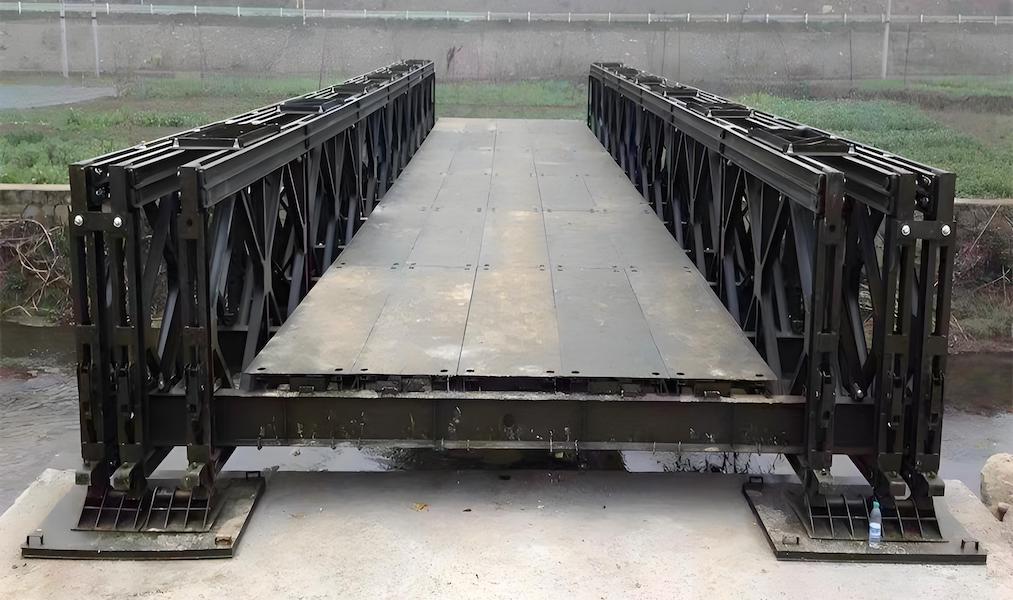
The typical lifespan of a prefabricated modular bridge can range from 30 to 100 years, depending on the materials used, environmental conditions, and maintenance practices. Regular inspections and maintenance can significantly extend the lifespan of these structures.
Prefabricated modular bridges are generally more cost-effective than traditional bridge construction methods. The reduced labor costs, shorter construction time, and lower material waste contribute to overall savings. While initial costs may vary, the long-term benefits often make modular bridges a more economical choice.
Key design considerations include load capacity, span length, site conditions, environmental impact, and compliance with local regulations. Additionally, factors such as aesthetics, accessibility, and the intended use of the bridge (vehicular, pedestrian, etc.) must be taken into account.
Yes, prefabricated modular bridges are ideal for remote or difficult-to-access locations. Their lightweight design and ease of transport allow them to be delivered and assembled in areas where traditional construction methods would be challenging or impractical.
Common materials used in prefabricated modular bridges include steel, reinforced concrete, and aluminum. Steel is often favored for its strength and durability, while reinforced concrete provides excellent load-bearing capabilities. Some manufacturers also use composite materials to enhance performance and reduce weight.


