

Views: 211 Author: Site Editor Publish Time: 2025-06-05 Origin: Site


Content Menu
● Understanding Temporary Bridge Steel Structures
>> What Are Temporary Bridge Steel Structures?
>> Key Features of Temporary Bridge Steel Structures
● Applications of Temporary Bridge Steel Structures
>> Detours During Road Repairs
● Benefits of Temporary Bridge Steel Structures
>> Flexibility and Adaptability
>> Reduced Environmental Impact
● Considerations When Using Temporary Bridge Steel Structures
● Frequently Asked and Questions regarding Temporary Bridge Steel Structure
>> 1. What are the typical costs associated with deploying a temporary bridge?
>> 2. How do temporary bridge designs account for varying environmental conditions?
>> 3. What innovations are being developed to improve the sustainability of temporary bridges?
>> 4. How long can a temporary bridge be used before it needs to be replaced?
>> 5. What are the safety considerations for temporary bridges?
Temporary bridge steel structures have become increasingly important in modern engineering and construction. These structures serve various purposes, from providing immediate access during construction projects to serving as emergency solutions in disaster-stricken areas. This article explores the benefits, applications, and considerations surrounding temporary bridge steel structures, providing a comprehensive understanding of their significance in contemporary infrastructure.
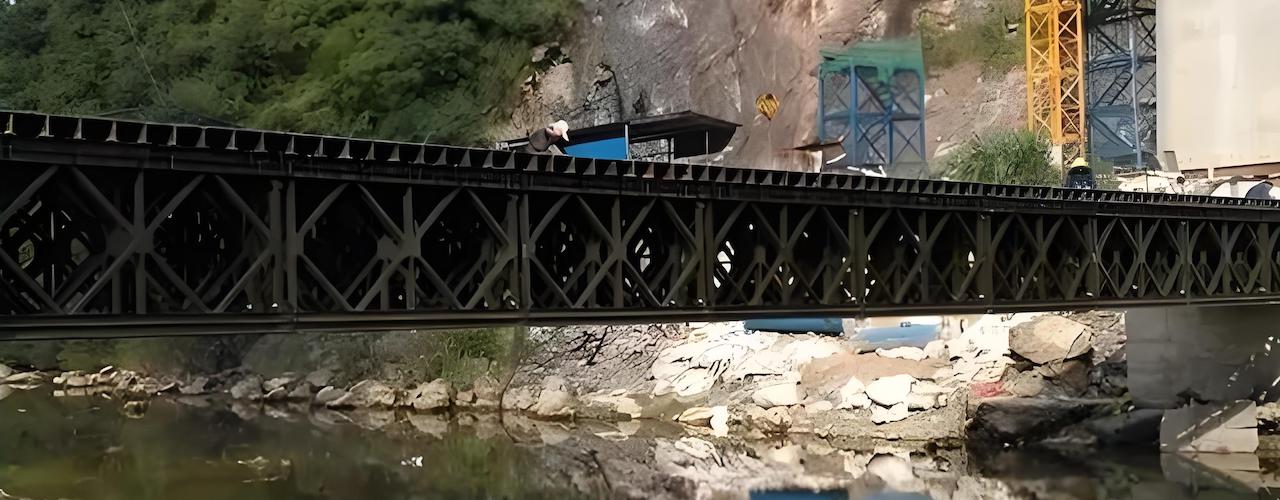
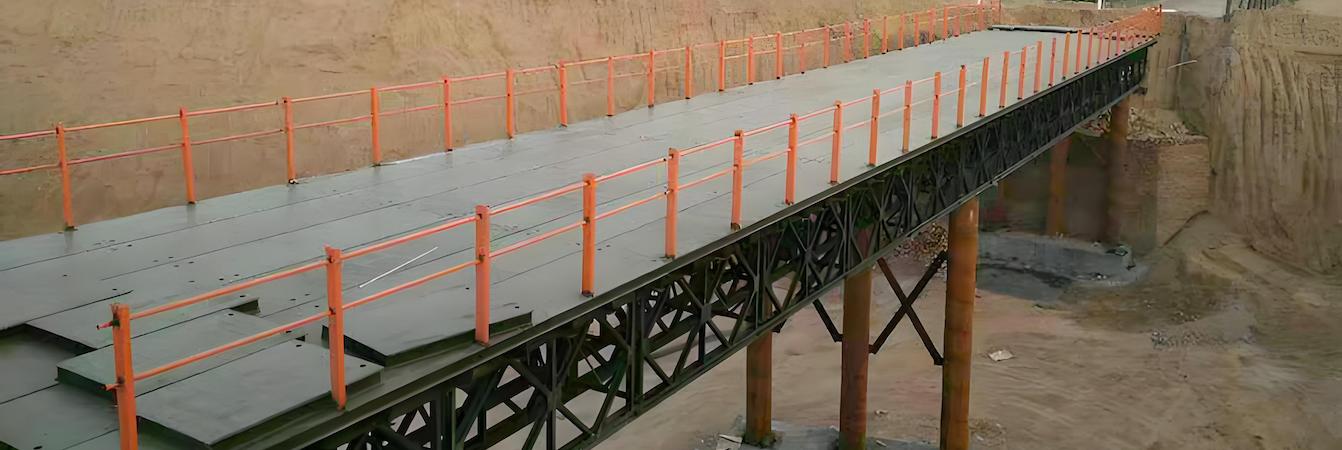
Temporary bridge steel structures are prefabricated bridges designed for short-term use. They are typically constructed from steel due to its strength, durability, and versatility. These bridges can be quickly assembled and disassembled, making them ideal for situations where a permanent solution is not yet feasible or necessary. The design of these structures often incorporates advanced engineering techniques, allowing them to support significant loads while remaining lightweight and easy to transport. This combination of features makes temporary bridges an essential tool in various sectors, including construction, military operations, and disaster relief.
Temporary bridges are characterized by several key features:
Modularity: Many temporary bridges are modular, allowing for easy transport and assembly. This modularity enables quick deployment in various locations, which is particularly beneficial in emergency situations where time is critical. The components can be pre-fabricated in a factory setting, ensuring high quality and reducing on-site construction time.
Durability: Steel is resistant to many environmental factors, ensuring that temporary bridges can withstand the elements during their use. This durability is crucial for bridges that may be exposed to harsh weather conditions, such as heavy rain, snow, or extreme temperatures. Additionally, the use of corrosion-resistant coatings can further enhance the lifespan of these structures.
Cost-Effectiveness: Compared to traditional construction methods, temporary bridges can be more cost-effective, especially when considering the speed of installation and the reduced need for extensive groundwork. The ability to reuse these structures in different locations also contributes to their cost efficiency, as they can be disassembled and relocated as needed.
One of the primary applications of temporary bridge steel structures is in construction sites. These bridges provide essential access for workers, machinery, and materials, ensuring that projects can proceed without delays. For instance, companies like Acrow utilize modular bridge technology to create temporary solutions that facilitate construction activities while maintaining safety and efficiency. By providing a reliable means of crossing obstacles such as rivers or deep ditches, temporary bridges help keep construction schedules on track and minimize disruptions to the workflow.
Temporary bridges play a crucial role in emergency response situations. After natural disasters such as floods or earthquakes, existing infrastructure may be damaged, making it difficult for emergency services to reach affected areas. Temporary bridges can be deployed quickly to restore access, allowing for the delivery of aid and resources. For example, during Hurricane Katrina, temporary bridges were essential in providing access to hard-hit regions. These structures not only facilitate the movement of emergency personnel but also enable the transport of essential supplies, such as food, water, and medical equipment, to those in need.
When road repairs or bridge replacements are necessary, temporary bridges can serve as detours, allowing traffic to flow smoothly while work is being completed. This application minimizes disruption to daily commutes and helps maintain safety on the roads. Companies like Sterling Solutions offer temporary bridge solutions specifically designed for such scenarios, ensuring that traffic can continue to move efficiently. By providing a safe alternative route, these temporary structures help reduce congestion and improve overall traffic management during construction projects.
One of the most significant advantages of temporary bridge steel structures is the speed at which they can be installed. Traditional bridge construction can take months or even years, while temporary bridges can often be erected in a matter of days. This rapid deployment is crucial in emergency situations where time is of the essence. The quick installation process is facilitated by the prefabricated nature of the components, which can be assembled on-site with minimal labor and equipment. This efficiency not only saves time but also reduces labor costs associated with prolonged construction periods.
Temporary bridges are highly flexible and can be adapted to various site conditions and requirements. Whether spanning a river, a road, or a construction site, these structures can be customized to meet specific needs. This adaptability makes them suitable for a wide range of applications, from urban environments to remote locations. Engineers can design temporary bridges to accommodate different load capacities, widths, and lengths, ensuring that they meet the unique demands of each project. This level of customization allows for optimal performance and safety in diverse settings.
Temporary bridges can also have a lower environmental impact compared to permanent structures. Since they are often used for short durations, the need for extensive groundwork and permanent foundations is minimized. This approach helps preserve the surrounding environment and reduces the overall footprint of construction activities. Additionally, many manufacturers are now focusing on sustainable materials and practices in the production of temporary bridges, further enhancing their eco-friendliness. By utilizing recyclable materials and minimizing waste during construction, the environmental benefits of temporary bridges can be significantly increased.
When selecting a temporary bridge, it is essential to consider the load capacity required for the specific application. Different designs and materials can support varying weights, so it is crucial to choose a structure that meets the demands of the intended use. Engineers must conduct thorough assessments of the expected traffic loads, including vehicles, equipment, and potential environmental factors such as wind or snow. This careful planning ensures that the temporary bridge will perform safely and effectively throughout its intended lifespan.
Temporary bridges must comply with local regulations and safety standards. This compliance ensures that the structures are safe for public use and meet the necessary engineering requirements. Engaging with experienced manufacturers and engineers can help navigate these regulations effectively. It is important to obtain the necessary permits and approvals before installation, as failure to do so can result in legal complications and delays. Additionally, regular inspections and maintenance are often required to ensure ongoing compliance with safety standards.
Even though temporary bridges are designed for short-term use, regular maintenance and inspection are vital to ensure their safety and functionality. Routine checks can identify any wear or damage, allowing for timely repairs or replacements as needed. Maintenance protocols should be established prior to deployment, outlining the frequency and scope of inspections. This proactive approach helps prevent accidents and ensures that the bridge remains safe for all users throughout its operational period.
Temporary bridge steel structures are invaluable assets in modern infrastructure, providing quick, flexible, and cost-effective solutions for various applications. From construction sites to emergency response scenarios, these structures play a critical role in maintaining access and facilitating progress. As technology advances, the design and implementation of temporary bridges will continue to evolve, further enhancing their effectiveness and utility in the field of civil engineering. The ongoing development of innovative materials and construction techniques promises to improve the performance and sustainability of temporary bridges, ensuring they remain a vital component of infrastructure solutions for years to come.
The costs of deploying a temporary bridge can vary widely based on factors such as the size, design, materials used, and duration of use. Generally, costs can range from a few thousand dollars for smaller, simpler structures to several hundred thousand dollars for larger, more complex designs. Additional costs may include transportation, installation, and maintenance.
Temporary bridge designs consider environmental factors such as wind, rain, snow, and seismic activity. Engineers conduct site assessments to determine the specific conditions and load requirements. Materials are selected based on their durability and resistance to corrosion, and designs may include features like adjustable supports to accommodate ground movement or flooding.
Innovations in temporary bridge construction focus on using sustainable materials, such as recycled steel and eco-friendly coatings. Additionally, modular designs that allow for easy disassembly and reuse are becoming more common. Advances in engineering software also enable more efficient designs that minimize material waste and reduce the overall environmental footprint.
The lifespan of a temporary bridge depends on its design, materials, and usage conditions. Typically, these structures are designed for short-term use, ranging from a few months to a few years. Regular inspections and maintenance can extend their usability, but they should be replaced if significant wear or damage is detected.
Safety considerations for temporary bridges include load capacity, structural integrity, and compliance with local regulations. Regular inspections are essential to identify any potential issues, such as corrosion or structural fatigue. Additionally, clear signage and barriers should be used to guide traffic and ensure the safety of both vehicles and pedestrians using the bridge.


