

Views: 221 Author: Site Editor Publish Time: 2026-01-15 Origin: Site


Content Menu
● Understanding Bailey Bridges
>> Key Features of Bailey Bridges
● Challenges of Constructing on Uneven Terrain
● Techniques for Ensuring Proper Alignment and Stability
>> 1. Site Assessment and Preparation
>> 3. Modular Assembly Techniques
>> 5. Load Testing and Monitoring
● Enhancing Structural Integrity
● Frequently Asked and Questions regarding Constructing a Bailey Bridge Over Rugged Terrain
>> 1: What are the common causes of Bailey bridge failure on uneven terrain?
>> 2: How do environmental factors affect Bailey bridge construction on uneven ground?
>> 3: What are the latest innovations in Bailey bridge design for challenging terrains?
>> 4: How can engineers ensure proper alignment during the assembly of a Bailey bridge?
>> 5: What maintenance practices are essential for Bailey bridges built on uneven terrain?
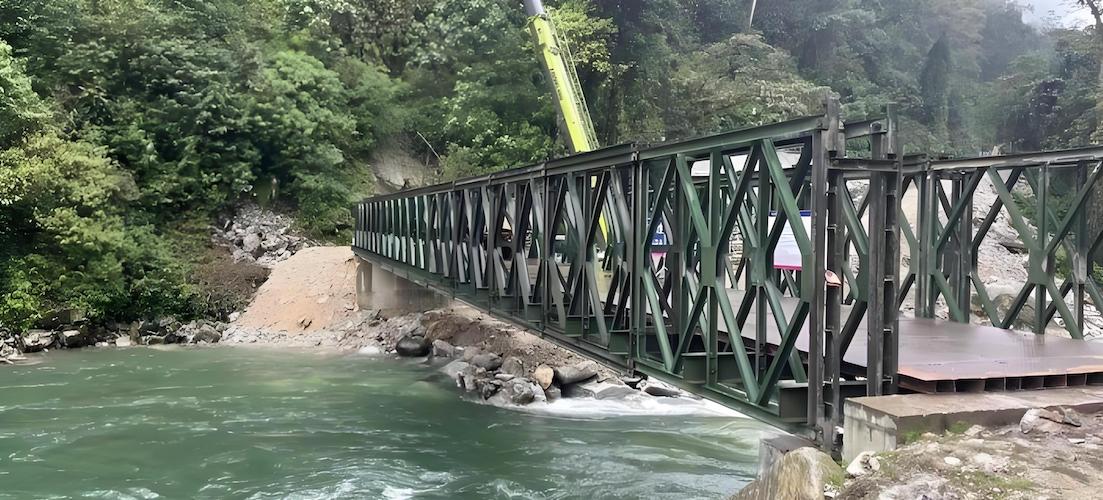
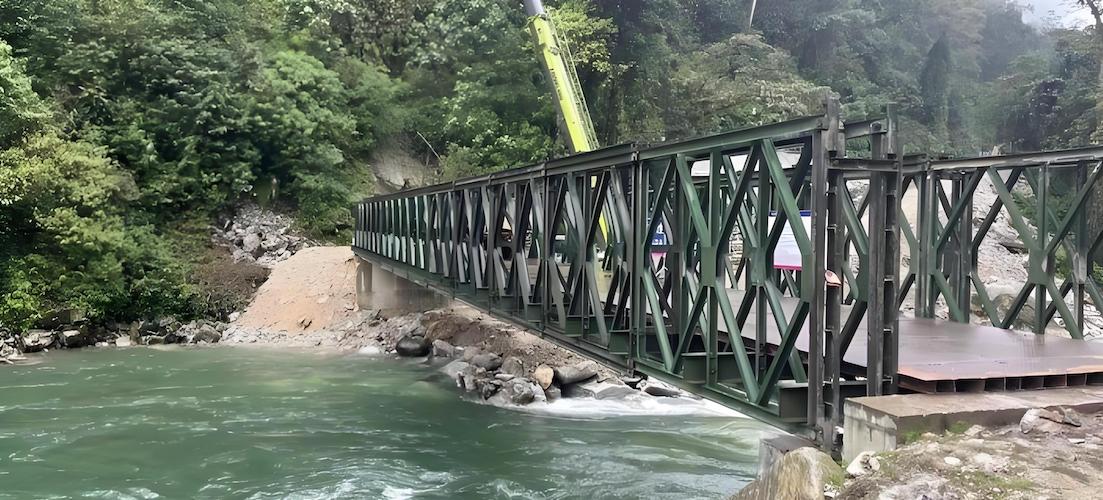
Constructing a Bailey bridge on uneven terrain presents unique challenges that require careful planning and execution. This article will explore the essential techniques and considerations for ensuring proper alignment and stability during the construction process. By following best practices and utilizing the right materials, engineers can create a safe and effective bridge solution.
A Bailey bridge is a modular, prefabricated steel bridge designed for rapid assembly and disassembly. Originally developed during World War II, these bridges are known for their lightweight design and ability to span gaps quickly, making them ideal for temporary and permanent installations in various terrains, including uneven ground. The design allows for easy transportation and setup, which is particularly beneficial in remote or disaster-stricken areas where traditional construction methods may be impractical.
● Modular Design: Components can be easily transported and assembled on-site, allowing for flexibility in design and application. This modularity also means that repairs can be made quickly, as individual sections can be replaced without dismantling the entire structure.
● Versatility: Suitable for various applications, from military use to civilian infrastructure, Bailey bridges can be adapted to meet specific load requirements and span lengths, making them a popular choice for both temporary and permanent solutions.
● Rapid Deployment: Can be erected quickly with minimal equipment, which is crucial in emergency situations where time is of the essence. The ability to set up a bridge in a matter of hours can significantly improve access for rescue operations or humanitarian aid.
Building a Bailey bridge on uneven terrain involves several challenges, including:
● Soil Stability: Uneven ground can lead to differential settling, affecting the bridge's integrity. Engineers must assess the soil's load-bearing capacity and make necessary adjustments to the foundation design to prevent future issues.
● Alignment Issues: Ensuring the bridge is level and properly aligned is crucial for safety and functionality. Misalignment can lead to uneven load distribution, which may compromise the bridge's structural integrity over time.
● Load Distribution: Uneven terrain can cause uneven load distribution, leading to potential structural failures. Understanding how the bridge will interact with the terrain is essential for designing a stable structure that can withstand various loads.
Before construction begins, a thorough site assessment is essential. This includes:
● Soil Testing: Conduct geotechnical investigations to determine soil type, bearing capacity, and moisture content. This information is critical for selecting the appropriate foundation type and ensuring the bridge's long-term stability.
● Topographical Survey: Map the terrain to identify slopes, depressions, and other features that may affect bridge placement. Understanding the topography helps in planning the bridge's alignment and foundation requirements.
The foundation is critical for stability, especially on uneven terrain. Consider the following foundation types:
● Spread Footings: Suitable for stable soil conditions, these distribute the bridge's weight over a large area. They are relatively easy to install and can be adjusted to accommodate minor variations in ground level.
● Pile Foundations: Used in poor soil conditions, piles are driven deep into the ground to reach stable layers, providing robust support. This method is particularly effective in areas with soft or unstable soil, ensuring that the bridge remains secure under load.
● Caissons: Large, hollow structures that are sunk into the ground, ideal for areas with significant water or soft soil. Caissons provide a solid base for the bridge and can be designed to withstand various environmental conditions.
The modular nature of Bailey bridges allows for flexibility during assembly. Key techniques include:
● Adjustable Components: Use adjustable supports to accommodate variations in ground height. This adaptability is crucial for ensuring that the bridge remains level and stable throughout its lifespan.
● Temporary Bracing: Implement temporary bracing during assembly to maintain alignment and stability until the bridge is fully secured. This step is vital in preventing misalignment during the construction process.
Proper alignment is crucial for the bridge's functionality. Techniques to ensure alignment include:
● Laser Leveling: Utilize laser technology to achieve precise leveling during installation. This method allows for quick adjustments and ensures that the bridge is perfectly aligned with the intended design.
● String Lines: Use string lines to maintain alignment between bridge components during assembly. This traditional method is effective for visualizing the bridge's layout and ensuring that all parts fit together correctly.
After construction, conduct load testing to ensure the bridge can handle expected traffic. Continuous monitoring of the bridge's performance is essential, especially in the initial stages of use. This can involve:
● Regular Inspections: Schedule routine inspections to check for signs of wear, misalignment, or structural issues. Early detection of problems can prevent costly repairs and ensure the bridge remains safe for use.
● Load Monitoring Systems: Implement load monitoring systems that provide real-time data on the bridge's performance under various conditions. This technology can help engineers make informed decisions about maintenance and usage.
Choosing the right materials is vital for the bridge's longevity and performance. Consider:
● High-Strength Steel: Provides durability and resistance to environmental factors. The use of high-strength materials ensures that the bridge can withstand heavy loads and harsh weather conditions.
● Corrosion-Resistant Coatings: Protects the bridge from weather-related damage. Applying protective coatings can significantly extend the lifespan of the bridge by preventing rust and deterioration.
Implement a maintenance schedule to inspect the bridge regularly for signs of wear, structural integrity, and alignment issues. This proactive approach can prevent major repairs and extend the bridge's lifespan. Key maintenance practices include:
● Cleaning and Debris Removal: Regularly remove debris and vegetation from the bridge and surrounding area to prevent water accumulation and potential damage.
● Structural Repairs: Address any identified issues promptly to maintain the bridge's safety and functionality. This may involve reinforcing connections, replacing damaged components, or adjusting alignment.
Constructing a Bailey bridge on uneven terrain requires meticulous planning, appropriate foundation design, and careful assembly techniques. By following the outlined strategies, engineers can ensure proper alignment and stability, resulting in a safe and effective bridge solution. For projects requiring reliable bridging solutions, consider consulting with experts in the field to tailor the design and construction process to your specific needs.
Evercross Bridge, a steel bridge manufacturer with over 30 years of industry experience, offers a comprehensive one-stop service system to meet our clients' needs in procurement, logistics, and technical support. If you have any needs or questions regarding bridge projects, we sincerely welcome you to contact us.
Common causes of Bailey bridge failure on uneven terrain include inadequate foundation support, improper alignment during assembly, and insufficient load distribution. If the soil beneath the bridge is unstable or not properly assessed, it can lead to differential settling, causing structural stress. Additionally, failure to account for environmental factors such as flooding or erosion can compromise the bridge's integrity.
Environmental factors such as soil type, moisture content, and weather conditions significantly impact Bailey bridge construction. For instance, wet or soft soil can weaken the foundation, necessitating the use of pile foundations for stability. Additionally, extreme weather conditions, such as heavy rainfall or snow, can affect construction timelines and the choice of materials, requiring careful planning and adaptation to ensure safety and durability.
Recent innovations in Bailey bridge design include the use of advanced materials such as high-strength steel and corrosion-resistant coatings, which enhance durability and reduce maintenance needs. Additionally, modular designs have been improved to allow for easier adjustments on-site, accommodating various terrain types. Innovations in load monitoring technology also enable real-time assessment of bridge performance, ensuring safety and longevity.
Engineers can ensure proper alignment during the assembly of a Bailey bridge by utilizing laser leveling technology and string lines to maintain accurate positioning of components. Additionally, temporary bracing can be employed to hold the bridge in place until it is fully secured. Regular checks throughout the assembly process help to identify and correct any misalignments promptly.
Essential maintenance practices for Bailey bridges on uneven terrain include regular inspections to check for signs of wear, misalignment, and structural integrity. Cleaning debris and vegetation from the bridge and surrounding area is crucial to prevent water accumulation. Additionally, addressing any identified issues promptly, such as reinforcing connections or replacing damaged components, is vital for maintaining the bridge's safety and functionality over time.


