

Views: 266 Author: Site Editor Publish Time: 2025-02-27 Origin: Site


Content Menu
>> Permanent Emergency Bridges
● Lifespan of Emergency Bridges
>> Factors Influencing Lifespan
● Maintenance of Emergency Bridges
● Frequently Asked Questions regarding Emergency Bridge
>> 1. What are the primary purposes of emergency bridges?
>> 2. How are emergency bridges typically deployed?
>> 3. What materials are commonly used in the construction of emergency bridges?
>> 4. How can the lifespan of a temporary emergency bridge be extended?
>> 5. What factors should be considered when designing an emergency bridge?
Emergency bridges play a crucial role in maintaining transportation networks during crises, such as natural disasters or infrastructure failures. These structures are designed for rapid deployment and can provide essential connectivity when traditional bridges are compromised. Understanding the lifespan and maintenance of emergency bridges is vital for ensuring their effectiveness and safety. This article explores the various aspects of emergency bridges, including their types, lifespan, maintenance practices, and the factors influencing their longevity.
Temporary bridges are often used in emergency situations to quickly restore access. These structures can be assembled rapidly and are typically made from lightweight materials, allowing for easy transport and installation. Common types of temporary bridges include:
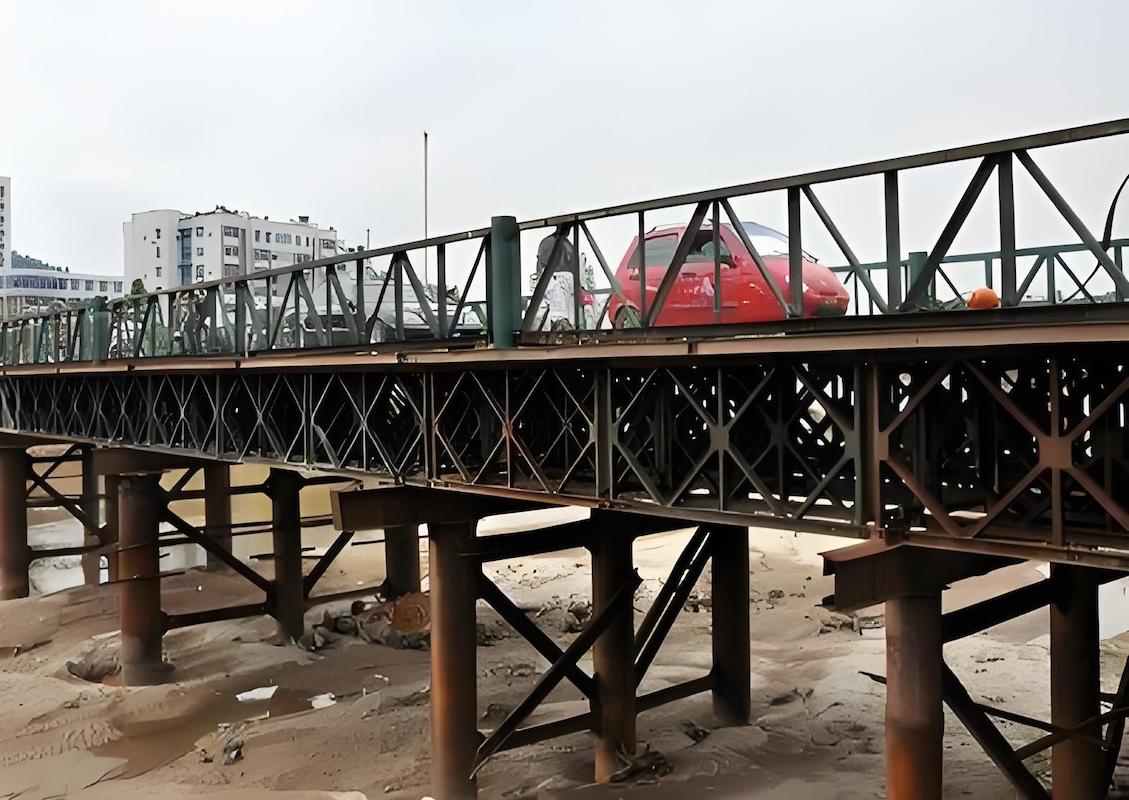
Bailey Bridges: These are modular steel bridges that can be assembled quickly and are often used in military and disaster relief operations. They are known for their strength and versatility, making them suitable for various terrains and conditions. The modular design allows for easy customization to fit specific site requirements, and they can be disassembled and reused in different locations as needed.
Panel Bridges: Made from prefabricated panels, these bridges can be erected in a short time frame and are suitable for various applications, including pedestrian and vehicular traffic. The panels can be manufactured off-site, reducing construction time on location. This type of bridge is particularly useful in urban areas where quick access is necessary to restore normalcy after an emergency.
Tensioned Fabric Bridges: These innovative structures use fabric materials stretched over a frame to create a lightweight and portable bridge solution. They are particularly advantageous in situations where traditional materials may be too heavy or cumbersome. The flexibility of fabric allows for unique designs that can adapt to different environments, and they can be deployed quickly in remote areas where access to heavy machinery is limited.
In some cases, emergency bridges may transition into permanent structures if the need persists. These bridges are designed to withstand longer periods of use and are constructed with more durable materials. They often require more extensive engineering and planning compared to temporary solutions. Permanent emergency bridges can serve as a long-term solution for communities that have experienced significant infrastructure damage, providing a reliable means of transportation while permanent repairs are made to existing structures.
The lifespan of emergency bridges can vary significantly based on several factors, including the type of bridge, materials used, environmental conditions, and maintenance practices. Generally, temporary emergency bridges are designed to last from a few months to several years, depending on their construction and usage.
Temporary Bridges: These structures are often intended for short-term use, typically lasting from six months to a few years. However, with proper maintenance and favorable conditions, some temporary bridges can remain functional for longer periods. The ability to adapt and extend the lifespan of these bridges can be crucial in disaster recovery scenarios, where the timeline for rebuilding permanent structures may be extended.
Permanent Emergency Bridges: When designed for extended use, these bridges can last anywhere from 20 to 50 years or more, depending on the materials and construction methods employed. The investment in a permanent emergency bridge can provide communities with a lasting solution that enhances resilience against future emergencies.
Several factors can influence the lifespan of emergency bridges:
Material Quality: The choice of materials significantly impacts durability. Steel and reinforced concrete are common choices for their strength and longevity. Advances in material science have also led to the development of composite materials that offer enhanced resistance to environmental factors, further extending the lifespan of these structures.
Environmental Conditions: Bridges exposed to harsh weather conditions, such as heavy rainfall, snow, or extreme temperatures, may experience accelerated wear and tear. Additionally, factors like humidity and salinity in coastal areas can lead to corrosion, necessitating the use of protective coatings and regular maintenance to mitigate these effects.
Traffic Load: The volume and weight of traffic that a bridge must support can affect its lifespan. Bridges designed for heavy loads will typically require more robust construction. Understanding the expected traffic patterns and potential increases in load can inform the design and materials used in constructing emergency bridges.
Maintenance Practices: Regular inspections and maintenance can extend the life of emergency bridges. Addressing minor issues before they escalate into major problems is crucial for longevity. Implementing a proactive maintenance schedule can help identify vulnerabilities and ensure that the bridge remains safe for use.
Regular maintenance is essential for ensuring the safety and functionality of emergency bridges. Maintenance practices can include:
Routine Inspections: Regular assessments help identify potential issues, such as structural damage or wear, allowing for timely repairs. Inspections should be conducted by qualified personnel who can evaluate the integrity of the bridge and recommend necessary actions.
Cleaning and Debris Removal: Keeping the bridge free of debris and contaminants can prevent corrosion and other forms of deterioration. Regular cleaning can also enhance visibility and safety for users, particularly in areas where vegetation or other obstructions may impede sightlines.
Repairs and Upgrades: Addressing any structural issues promptly and upgrading components as needed can significantly extend the lifespan of a bridge. This may involve reinforcing existing structures, replacing worn-out materials, or implementing new technologies that enhance performance and safety.
Effective maintenance strategies for emergency bridges may include:
Scheduled Inspections: Establishing a routine inspection schedule to assess the condition of the bridge and identify any necessary repairs. This proactive approach can help prevent unexpected failures and ensure that the bridge remains safe for public use.
Emergency Response Plans: Developing plans for rapid response to any damage or failure, ensuring that repairs can be made quickly to restore functionality. These plans should include clear communication protocols and designated personnel responsible for executing maintenance tasks.
Community Involvement: Engaging local communities in monitoring the condition of emergency bridges can enhance awareness and prompt reporting of issues. Community members can serve as valuable eyes and ears, helping to identify problems that may not be immediately visible to maintenance crews.
Emergency bridges are vital infrastructure components that provide essential connectivity during crises. Their lifespan can vary widely based on several factors, including the type of bridge, materials used, environmental conditions, and maintenance practices. While temporary emergency bridges are designed for short-term use, permanent solutions can last for decades with proper care. Regular maintenance and inspections are crucial for ensuring the safety and longevity of these structures, ultimately safeguarding the communities they serve. Understanding the dynamics of emergency bridges helps in planning and executing effective responses to infrastructure challenges, ensuring that transportation networks remain resilient in the face of adversity. By investing in the design, construction, and maintenance of emergency bridges, communities can enhance their preparedness for future emergencies and protect the well-being of their residents.
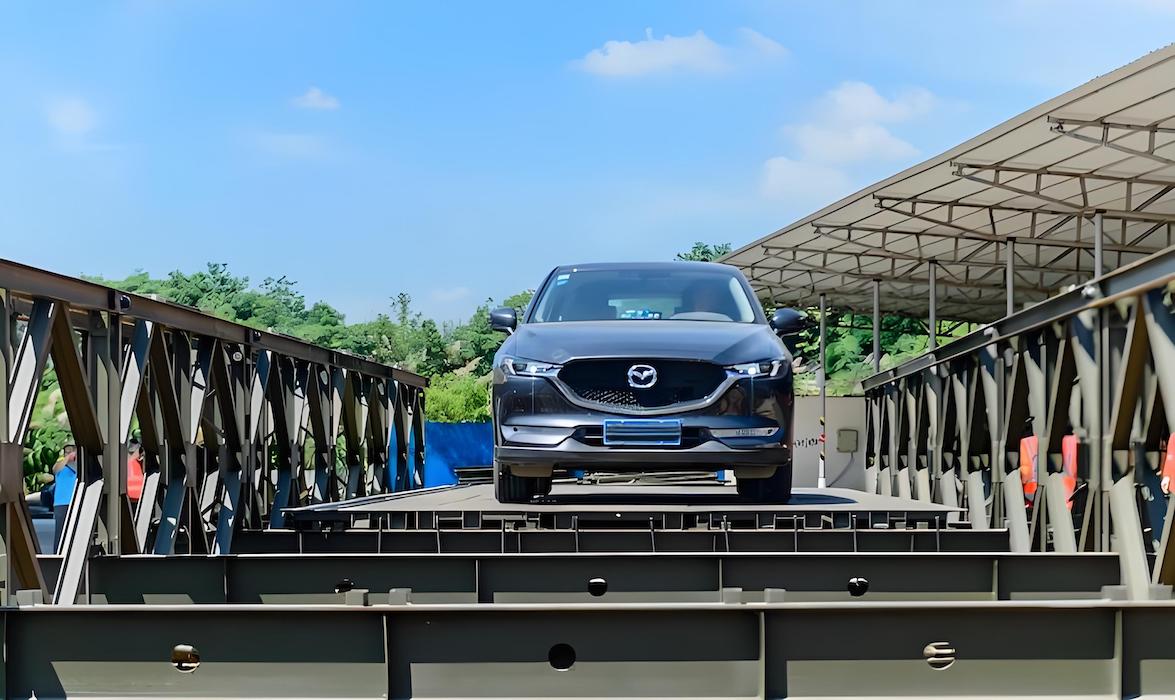
Emergency bridges are primarily used to restore transportation access quickly after disasters, such as floods, earthquakes, or infrastructure failures. They provide essential connectivity for emergency services, aid delivery, and the movement of people, helping communities recover more effectively.
Emergency bridges are usually deployed using modular components that can be transported easily to the site of need. They can be assembled quickly by trained personnel, often without the need for heavy machinery, making them ideal for urgent situations.
Common materials for emergency bridges include steel, aluminum, and reinforced concrete. These materials are chosen for their strength, durability, and ability to withstand various environmental conditions. Innovations in composite materials are also being explored to enhance performance.
The lifespan of a temporary emergency bridge can be extended through regular maintenance, including routine inspections, cleaning, and timely repairs. Addressing minor issues before they escalate and ensuring that the bridge is not overloaded can also help prolong its usability.
When designing an emergency bridge, factors such as expected traffic load, environmental conditions, site accessibility, and the speed of deployment should be considered. Additionally, the potential for future use as a permanent structure may influence design choices and material selection.


