

Views: 221 Author: Site Editor Publish Time: 2025-03-28 Origin: Site


Content Menu
● Understanding Modular Bridge Construction
>> What is Modular Bridge Construction?
>> Key Features of Modular Bridge Construction
● Speed Comparison: Modular vs. Traditional
>> Case Studies and Real-World Applications
● Factors Influencing Speed in Modular Construction
● Challenges and Considerations
● Frequently Asked Questions regarding Modular Bridge
>> 1. What are the primary benefits of modular bridge construction?
>> 2. How does the cost of modular bridge construction compare to traditional methods?
>> 3. Are there any design limitations with modular bridge construction?
>> 4. How does weather impact modular bridge construction compared to traditional methods?
>> 5. What types of projects are best suited for modular bridge construction?
Modular bridge construction is an innovative approach that has gained traction in recent years, particularly for its speed and efficiency compared to traditional construction methods. This article explores the various aspects of modular bridge construction, focusing on how it compares to traditional methods in terms of speed, efficiency, and overall project delivery.
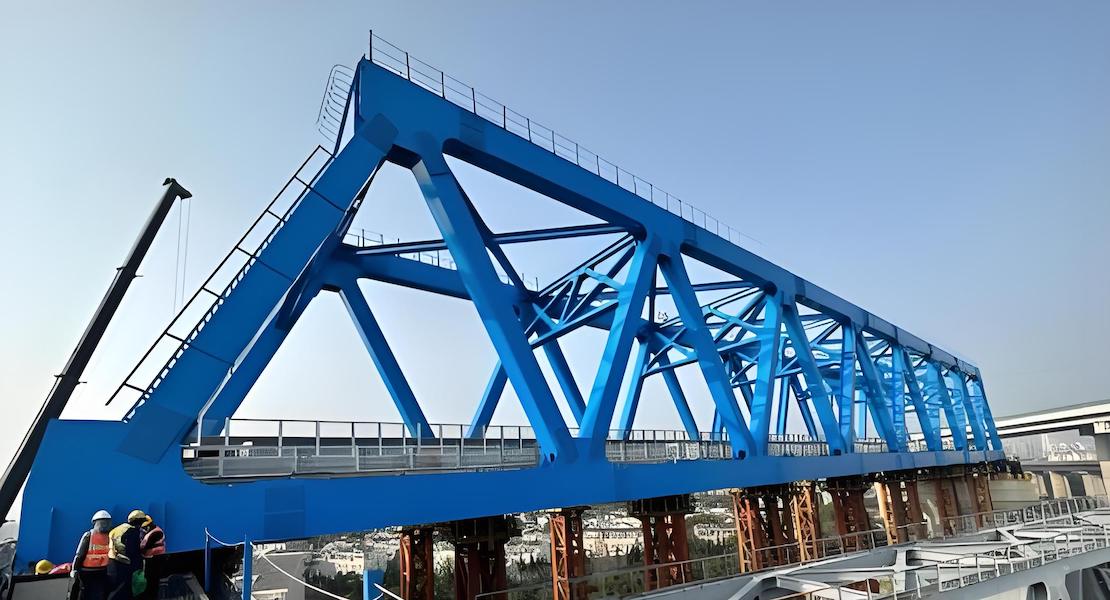
Modular bridge construction involves the prefabrication of bridge components in a controlled factory environment. These components are then transported to the construction site, where they are assembled into a complete structure. This method contrasts sharply with traditional bridge construction, which typically involves building the entire structure on-site. The modular approach not only streamlines the construction process but also allows for the integration of advanced technologies and materials that enhance the durability and longevity of the bridges. By utilizing modular techniques, engineers can design bridges that are not only functional but also aesthetically pleasing, catering to the specific needs of the environment in which they are built.
Prefabrication: Components are manufactured off-site, allowing for better quality control and reduced weather-related delays. This controlled environment ensures that each piece is crafted to precise specifications, minimizing the risk of defects that can occur during on-site construction. Additionally, prefabrication allows for the use of advanced materials and construction techniques that may not be feasible in traditional settings.
Rapid Assembly: Once on-site, the assembly of modular components can be completed quickly, often within days. This rapid assembly process is facilitated by the use of cranes and other heavy machinery, which can efficiently position and secure the prefabricated sections. The speed of assembly not only accelerates project timelines but also reduces the overall labor costs associated with prolonged construction periods.
Reduced Disruption: Modular construction minimizes the impact on traffic and surrounding areas, as much of the work is done off-site. This is particularly advantageous in urban settings where road closures and detours can lead to significant inconvenience for commuters. By limiting the duration of on-site work, modular construction helps maintain traffic flow and reduces the economic impact on local businesses.
One of the most significant advantages of modular bridge construction is the reduction in overall project timelines. Traditional construction methods often require sequential processes, where each phase must be completed before the next can begin. This linear approach can lead to delays due to weather, material shortages, or other unforeseen issues. In contrast, modular construction allows for parallel processes. While the bridge components are being fabricated in a factory, site preparation can occur simultaneously. This dual approach significantly shortens the time from project initiation to completion, enabling projects to meet tight deadlines and respond to urgent infrastructure needs.
The assembly of modular bridges is notably faster than traditional methods. Once the components arrive at the site, they can be assembled in a matter of days. This rapid assembly is particularly beneficial for projects that need to minimize disruption to existing traffic patterns or have tight deadlines. The efficiency of the assembly process is further enhanced by the use of standardized components, which can be easily interchanged and adapted to various bridge designs. This flexibility allows for quicker adjustments during the construction phase, ensuring that projects stay on track.
Several case studies have demonstrated the speed advantages of modular bridge construction. For instance, projects that have utilized modular methods have reported completion times that are up to 50% faster than traditional construction. This speed not only benefits project timelines but also reduces costs associated with prolonged construction periods. Notable examples include the rapid deployment of temporary bridges in disaster-stricken areas, where modular construction has provided immediate solutions to restore transportation links. These real-world applications highlight the versatility and effectiveness of modular construction in addressing urgent infrastructure challenges.
The controlled environment of a factory allows for better quality control during the manufacturing of bridge components. This ensures that each piece meets the required specifications before it is transported to the site. In traditional construction, quality can be compromised due to varying site conditions and weather impacts. The emphasis on quality in modular construction not only enhances the structural integrity of the bridges but also contributes to their longevity and reduces the need for future maintenance. This proactive approach to quality assurance is a key factor in the overall success of modular projects.
Weather can significantly impact construction timelines. Traditional methods are often delayed by rain, snow, or extreme temperatures, which can halt work on-site. Modular construction mitigates this risk, as much of the work is done indoors, allowing for consistent progress regardless of external conditions. This resilience to weather-related disruptions is particularly important in regions prone to severe weather events, where construction schedules can be severely impacted. By minimizing weather-related delays, modular construction enhances project reliability and predictability.
Modular construction often requires fewer labor hours on-site, as the majority of the work is completed in the factory. This efficiency not only speeds up the construction process but also reduces labor costs. In contrast, traditional construction methods can be labor-intensive and time-consuming, leading to higher overall project costs. The streamlined labor requirements of modular construction also allow for better allocation of skilled workers, who can focus on assembly and quality assurance rather than repetitive tasks. This optimization of labor resources contributes to the overall efficiency of the construction process.

While modular construction offers speed advantages, the initial setup costs can be higher due to the need for specialized equipment and facilities for prefabrication. However, these costs are often offset by the savings achieved through faster project completion and reduced labor expenses. Additionally, the investment in modular technology can lead to long-term benefits, including improved project outcomes and enhanced competitiveness in the construction market. Stakeholders must carefully evaluate the cost-benefit ratio of modular construction to determine its feasibility for specific projects.
Modular construction may have design limitations compared to traditional methods. While many modular systems are highly customizable, certain complex designs may be more challenging to achieve with prefabricated components. It is essential for project planners to consider these factors when deciding on the construction method. Collaborating with experienced engineers and designers can help identify innovative solutions that maximize the benefits of modular construction while addressing any design constraints. This collaborative approach can lead to the development of unique and effective bridge designs that meet the specific needs of each project.
Modular bridge construction presents a compelling alternative to traditional methods, particularly in terms of speed and efficiency. The ability to prefabricate components off-site and assemble them quickly on-site allows for significant time savings, reduced disruption, and improved quality control. As the construction industry continues to evolve, modular methods are likely to play an increasingly important role in bridge construction and other infrastructure projects. By understanding the advantages and challenges of modular construction, stakeholders can make informed decisions that align with their project goals and timelines. The future of bridge construction may very well hinge on the continued adoption and refinement of modular techniques, paving the way for faster, more efficient, and more sustainable infrastructure solutions.
The primary benefits of modular bridge construction include faster project completion times, reduced labor costs, improved quality control due to factory fabrication, minimized disruption to traffic and surrounding areas, and enhanced safety for workers by reducing on-site construction time.
While the initial setup costs for modular construction can be higher due to the need for specialized equipment and facilities, the overall costs can be lower in the long run. This is due to faster project completion, reduced labor hours, and lower maintenance costs associated with high-quality prefabricated components.
Yes, modular bridge construction may have design limitations compared to traditional methods. Complex designs may be more challenging to achieve with prefabricated components. However, many modular systems are highly customizable, and collaboration with experienced engineers can help overcome these limitations.
Weather has a significantly reduced impact on modular bridge construction because most of the work is done indoors in a controlled environment. This contrasts with traditional methods, where construction can be delayed by adverse weather conditions, leading to longer project timelines.
Modular bridge construction is particularly well-suited for projects that require rapid deployment, such as emergency repairs, temporary bridges, or infrastructure improvements in urban areas. It is also beneficial for projects with tight deadlines or those that need to minimize disruption to existing traffic patterns.


