

Views: 188 Author: Site Editor Publish Time: 2025-06-10 Origin: Site


Content Menu
● Understanding Modular Bridges
>> Definition and Characteristics
● Advantages of Modular Bridges
>> Flexibility and Adaptability
● Environmental Impact of Modular Bridges
● Case Studies of Modular Bridges in Action
● Challenges and Considerations
● The Future of Modular Bridges
>> Integration with Smart Infrastructure
>> 1. What are the long-term maintenance costs associated with modular bridges?
>> 2. How do modular bridge designs incorporate climate change resilience?
>> 3. What innovative materials are being used in modular bridge construction?
>> 4. How do modular bridges contribute to reducing traffic congestion?
>> 5. What role do modular bridges play in emergency response situations?
In recent years, the concept of sustainable infrastructure has gained significant traction as communities and governments seek to balance development with environmental stewardship. Among the various innovations in infrastructure, modular bridges have emerged as a pivotal solution. This article explores the role of modular bridges in sustainable infrastructure development, examining their design, construction, environmental impact, and future potential.
Modular bridges are pre-fabricated structures that can be assembled on-site with minimal disruption. They are designed in sections or modules, which are manufactured off-site and transported to the construction location. This method allows for rapid installation and reduced construction time, making modular bridges an attractive option for various applications. The modular design not only facilitates easier transportation but also allows for precise engineering and quality control during the manufacturing process. This results in structures that are not only efficient but also meet high safety and durability standards.
There are several types of modular bridges, each suited for different applications. Common types include:
Precast Concrete Bridges: These bridges are made from concrete sections that are cast in a controlled environment and then transported to the site for assembly. They are known for their durability and strength, making them ideal for heavy traffic areas and long spans. The use of precast concrete also allows for intricate designs and finishes, enhancing the aesthetic appeal of the bridge.
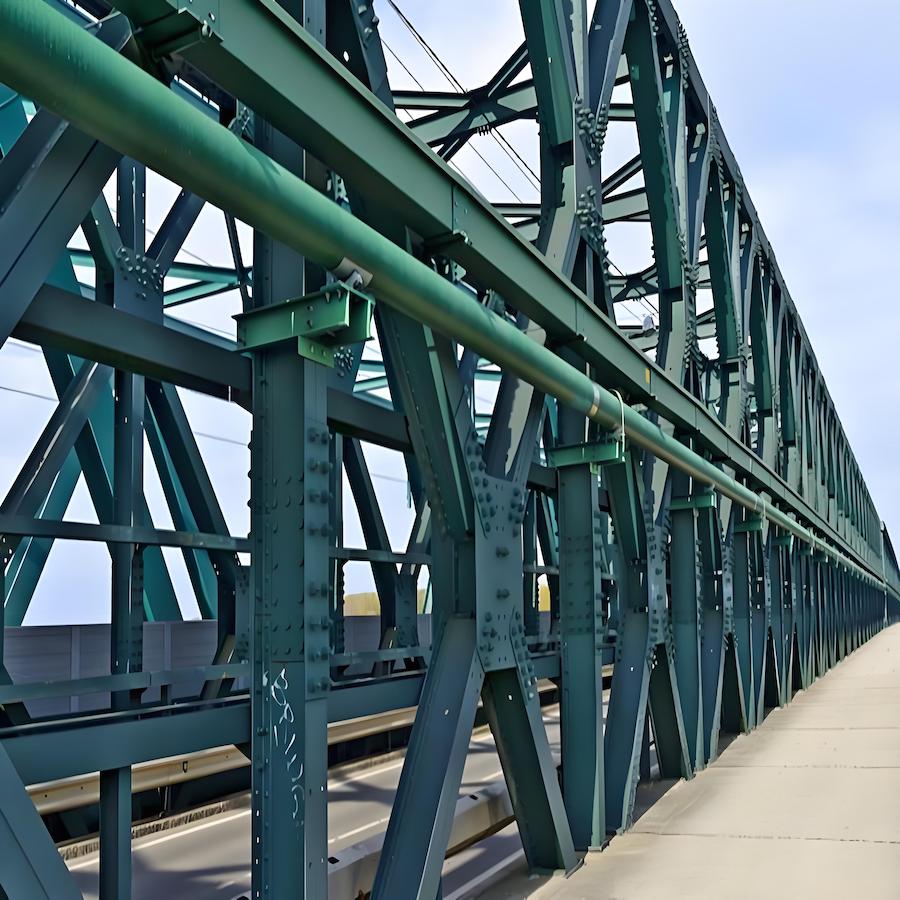
Steel Modular Bridges: Constructed from steel components, these bridges are lightweight and can span longer distances. They are often used in urban areas where space is limited. The flexibility of steel allows for innovative designs that can accommodate various architectural styles, making them a popular choice for modern infrastructure projects.
Composite Modular Bridges: These bridges combine materials such as steel and concrete to optimize performance and reduce weight. They are particularly useful in environments where corrosion resistance is essential. The use of composite materials not only enhances the structural integrity but also contributes to the longevity of the bridge, reducing the need for frequent repairs and replacements.
One of the most significant advantages of modular bridges is the speed of construction. Traditional bridge construction can take months or even years, depending on the complexity of the project. In contrast, modular bridges can be assembled in a matter of days. This rapid construction minimizes traffic disruption and reduces the overall impact on the surrounding environment. The quick installation process is particularly beneficial in emergency situations, such as after natural disasters, where restoring access is critical for recovery efforts.
Modular bridges can be more cost-effective than traditional bridges. The reduced construction time leads to lower labor costs, and the use of pre-fabricated components can decrease material waste. Additionally, the ability to quickly install these bridges means that they can be operational sooner, providing immediate benefits to communities. Over time, the lower maintenance costs associated with modular bridges further enhance their economic viability, making them a smart investment for municipalities and governments.
Modular bridges offer a high degree of flexibility. They can be designed to meet specific site requirements and can be easily modified or expanded in the future. This adaptability makes them suitable for various applications, from pedestrian walkways to heavy vehicle crossings. The modular nature also allows for easy relocation if necessary, making them ideal for temporary installations or areas where future development is anticipated.
The construction of modular bridges typically results in a lower carbon footprint compared to traditional methods. The off-site manufacturing process allows for better control over materials and waste, leading to more efficient use of resources. Additionally, the shorter construction time means less machinery is used on-site, further reducing emissions. This focus on sustainability aligns with global efforts to combat climate change and promote environmentally friendly practices in infrastructure development.
Many modular bridges are constructed using sustainable materials. For instance, recycled steel and eco-friendly concrete can be utilized in their construction. This focus on sustainability not only minimizes environmental impact but also promotes the use of green building practices. The incorporation of renewable materials and innovative construction techniques contributes to a circular economy, where resources are reused and repurposed rather than discarded.
Modular bridges are designed to minimize land disruption during installation. Since the majority of the construction occurs off-site, the impact on local ecosystems is significantly reduced. This is particularly important in sensitive areas where preserving natural habitats is a priority. The ability to install bridges with minimal excavation and site preparation helps protect local flora and fauna, contributing to biodiversity conservation.
In urban environments, modular bridges have been successfully implemented to address traffic congestion and improve connectivity. For example, cities have used modular pedestrian bridges to create safe crossings over busy roads, enhancing accessibility for residents and reducing the risk of accidents. These bridges not only facilitate movement but also contribute to the urban landscape, often becoming landmarks that enhance the aesthetic value of the area.
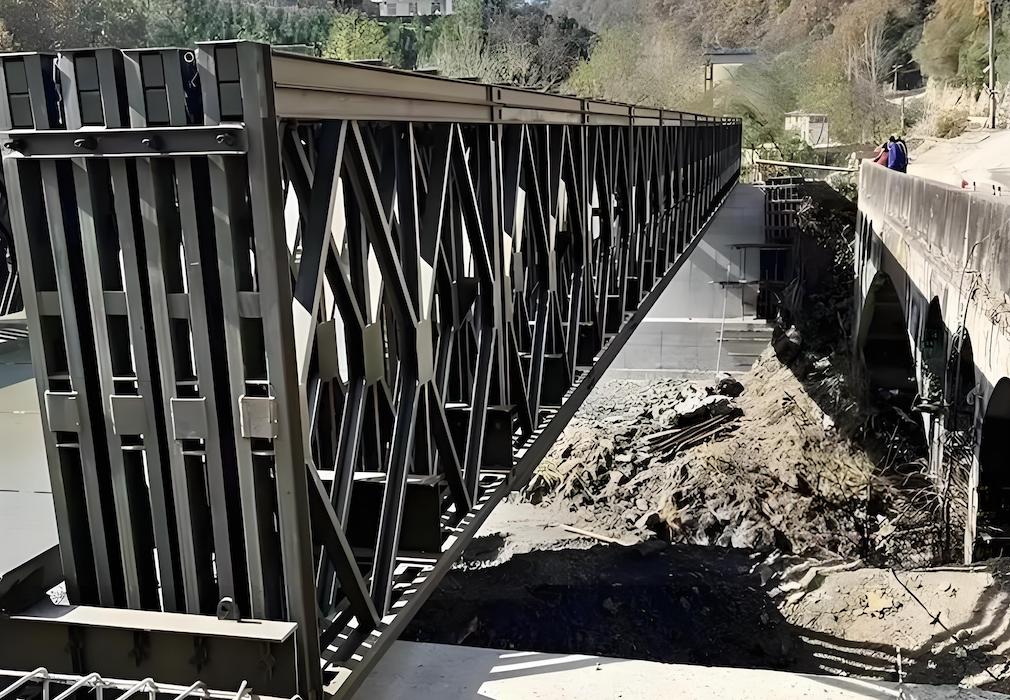
Modular bridges have proven invaluable in disaster recovery efforts. After natural disasters, such as floods or earthquakes, traditional infrastructure can be severely damaged. Modular bridges can be quickly deployed to restore vital connections, allowing communities to recover more rapidly. Their rapid installation capabilities make them essential for emergency response teams, ensuring that critical services and supplies can reach affected areas without delay.
In rural areas, where traditional bridge construction may be cost-prohibitive, modular bridges offer a practical solution. They can be used to connect remote communities, providing access to essential services and promoting economic development. By improving transportation links, modular bridges can facilitate trade and tourism, contributing to the overall growth and sustainability of rural economies.
While modular bridges can be cost-effective in the long run, the initial investment may be higher than traditional construction methods. This can be a barrier for some municipalities, particularly those with limited budgets. However, the long-term savings and benefits often outweigh these initial costs. It is essential for decision-makers to consider the total lifecycle costs of infrastructure projects, including maintenance and operational expenses, when evaluating the feasibility of modular bridges.
The adoption of modular bridges can be hindered by regulatory challenges. Building codes and standards may not always accommodate innovative construction methods, leading to delays in approval and implementation. Collaboration between engineers, architects, and regulatory bodies is essential to streamline this process. Advocacy for updated regulations that recognize the benefits of modular construction can help facilitate broader acceptance and implementation.
Public perception of modular bridges can also pose a challenge. Some communities may be hesitant to embrace new technologies, preferring traditional construction methods. Education and outreach efforts are crucial to inform the public about the benefits of modular bridges and address any concerns. Engaging community stakeholders in the planning process can foster a sense of ownership and acceptance, ultimately leading to more successful projects.
As technology continues to evolve, the future of modular bridges looks promising. Innovations in materials science, such as the development of ultra-lightweight composites, will enhance the performance and sustainability of these structures. Additionally, advancements in construction techniques, such as 3D printing, may further streamline the modular bridge assembly process. These technological developments will not only improve the efficiency of construction but also expand the design possibilities for modular bridges.
The integration of modular bridges with smart infrastructure is another exciting development. By incorporating sensors and monitoring systems, these bridges can provide real-time data on structural health and traffic patterns. This information can be invaluable for maintenance and safety, ensuring that bridges remain functional and safe for users. The ability to monitor performance in real-time allows for proactive maintenance, reducing the risk of failures and extending the lifespan of the bridge.
The global adoption of modular bridges is likely to increase as more countries recognize the benefits of sustainable infrastructure. As urbanization continues to rise, the demand for efficient and environmentally friendly transportation solutions will drive the growth of modular bridge technology. International collaboration and knowledge sharing can further accelerate the adoption of modular bridges, leading to improved infrastructure worldwide.
Modular bridges play a crucial role in sustainable infrastructure development. Their advantages, including speed of construction, cost-effectiveness, and minimal environmental impact, make them an attractive option for various applications. As technology advances and public awareness grows, modular bridges are poised to become a cornerstone of modern infrastructure, contributing to a more sustainable future. By embracing this innovative approach, communities can enhance connectivity, promote economic development, and protect the environment for generations to come. The continued evolution of modular bridge technology will undoubtedly shape the landscape of infrastructure development, paving the way for smarter, more resilient, and sustainable solutions.
Modular bridges generally have lower long-term maintenance costs compared to traditional bridges. Their durable materials and efficient design reduce the frequency of repairs. Additionally, the ease of access to modular components allows for quicker inspections and maintenance, further minimizing costs over the bridge's lifespan.
Modular bridges can be designed to withstand extreme weather events, such as floods and hurricanes. Engineers can use materials that resist corrosion and structural designs that allow for flexibility and movement during seismic activities. Additionally, modular bridges can be elevated to prevent damage from rising water levels.
Innovative materials such as high-performance concrete, recycled steel, and fiber-reinforced polymers are increasingly used in modular bridge construction. These materials enhance durability, reduce weight, and improve sustainability, contributing to the overall efficiency and longevity of the bridges.
Modular bridges can be constructed quickly, allowing for the rapid expansion of transportation networks. By providing additional crossings over rivers or busy roads, they help alleviate bottlenecks and improve traffic flow, ultimately reducing congestion in urban areas.
In emergency situations, such as natural disasters, modular bridges can be deployed quickly to restore vital transportation links. Their rapid installation capabilities enable first responders to access affected areas and deliver aid, making them essential for disaster recovery efforts.


