

Views: 211 Author: Site Editor Publish Time: 2026-02-02 Origin: Site


Content Menu
● Understanding Tension Rod Bolts
>> Key Features of Tension Rod Bolts
● Installation Guidelines for Tension Rod Bolts
>> 1. Preparation of the Installation Site
>> 2. Proper Alignment and Positioning
● Enhancing Structural Integrity
● Recent Developments in Tension Rod Bolt Technology
● Frequently Asked and Questions regarding The Installation of Tension Rod Bolts in Steel Bridges
>> 1. What are tension rod bolts, and why are they important in bridge construction?
>> 2. What are the common materials used for tension rod bolts?
>> 3. What are the key steps in the installation process of tension rod bolts?
>> 4. What are the common mistakes to avoid when installing tension rod bolts?
>> 5. How can regular maintenance improve the lifespan of tension rod bolts?
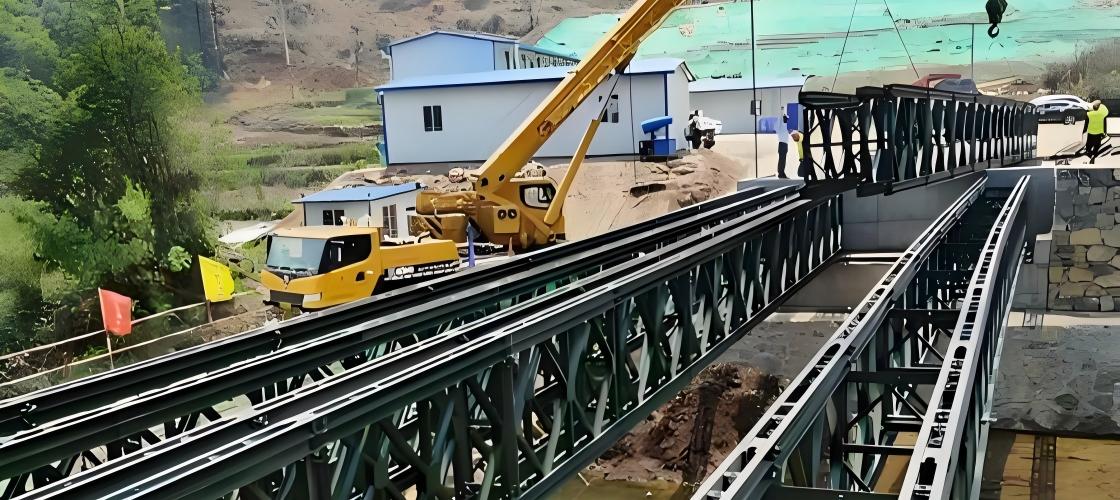
When it comes to the installation of tension rod bolts in steel bridges, precision and adherence to safety standards are paramount. Tension rod bolts play a critical role in ensuring the structural integrity of bridges, particularly in applications involving Bailey bridges and other modular steel structures. These bolts are not merely connectors; they are vital components that bear significant loads and stresses during the bridge's operational life. This article will explore the key considerations for installing tension rod bolts, providing insights that go beyond basic guidelines to enhance safety and performance.
Tension rod bolts are essential components used to connect various structural elements in bridge construction. They are designed to withstand significant loads and stresses, making their proper installation crucial for the overall stability of the bridge.
●Material Composition: Typically made from high-strength steel, these bolts are engineered to resist deformation and fatigue, ensuring they maintain their integrity under heavy loads.
●Load Capacity: Tension rod bolts are designed to handle specific tensile loads, which are calculated based on the bridge's design and expected traffic conditions. This ensures safety under operational conditions, preventing failures that could lead to catastrophic consequences.
●Dimensions: Standard lengths and diameters are available, but custom sizes can be manufactured based on project requirements. This flexibility allows engineers to tailor solutions to specific structural needs, enhancing the overall performance of the bridge.
Before beginning the installation, ensure that the site is adequately prepared:
●Level Ground: The area where the bridge components will be assembled must be flat and stable. Uneven surfaces can lead to misalignment and stress concentrations, which may compromise the bridge's structural integrity.
●Safety Measures: Implement safety protocols to protect workers during the installation process. This includes using appropriate personal protective equipment (PPE), conducting safety briefings, and ensuring that all tools and equipment are in good working condition.
●Use of Jacks: Employ hydraulic jacks to slightly elevate the bridge ends, facilitating easier alignment of the tension rod bolts. This step is crucial as it allows for precise positioning, reducing the risk of misalignment during the installation process.
●Check Alignment: Ensure that all components are aligned correctly before securing the bolts to prevent structural issues. Misalignment can lead to uneven load distribution, which may result in premature wear or failure of the bridge components.
●Insert the Bolts: Carefully insert the tension rod bolts into the designated holes, ensuring they are free from debris. Contaminants can interfere with the bolt's performance and lead to corrosion over time.
●Torque Specifications: Follow the manufacturer’s torque specifications to secure the bolts adequately. This prevents loosening due to vibrations during operation and ensures that the bolts can withstand the dynamic loads imposed on the bridge.
●Inspection: After installation, conduct a thorough inspection of all bolts and connections to ensure they meet safety standards. This includes checking for proper torque, alignment, and any signs of wear or damage.
●Documentation: Keep detailed records of the installation process, including torque settings and inspection results. This documentation is essential for future maintenance and can provide valuable insights during inspections or repairs.
●Neglecting Safety Protocols: Always prioritize safety by using appropriate personal protective equipment (PPE) and following safety guidelines. A lapse in safety can lead to accidents that endanger workers and compromise the project.
●Ignoring Manufacturer Guidelines: Each type of tension rod bolt may have specific installation requirements; always refer to the manufacturer’s instructions. Deviating from these guidelines can result in improper installation and potential structural failures.
To further enhance the structural integrity of the bridge, consider the following:
●Use of Reinforcements: Adding additional support structures can help distribute loads more evenly. This is particularly important in areas where high traffic or environmental factors may impose additional stresses on the bridge.
●Regular Maintenance: Schedule regular inspections and maintenance to identify and address any potential issues early. Proactive maintenance can extend the lifespan of the bridge and ensure its safety for users.
Recent advancements in materials science have led to the development of high-performance tension rod bolts that offer improved durability and resistance to environmental factors. For instance, corrosion-resistant coatings can significantly extend the lifespan of these components, making them ideal for use in harsh environments. Innovations such as these not only enhance the performance of the bolts but also reduce long-term maintenance costs.
The installation of tension rod bolts is a critical aspect of bridge construction that requires careful attention to detail and adherence to safety standards. By following the guidelines outlined in this article, construction teams can ensure the structural integrity and longevity of their projects.
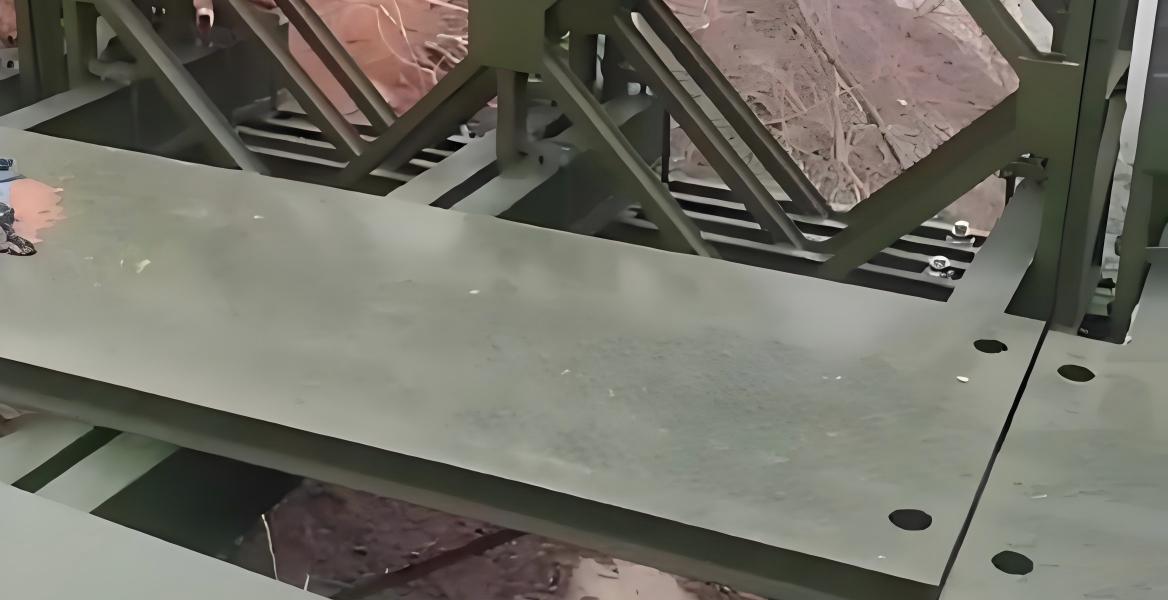
Tension rod bolts are high-strength fasteners used to connect various structural elements in bridge construction. They are crucial for maintaining the structural integrity of the bridge, as they are designed to withstand significant tensile loads and stresses. Proper installation of these bolts ensures that the bridge can safely support the weight of traffic and resist environmental forces.
Tension rod bolts are typically made from high-strength steel, which provides the necessary durability and resistance to deformation under load. Some bolts may also feature corrosion-resistant coatings to enhance their longevity, especially in harsh environmental conditions. The choice of material depends on the specific requirements of the bridge design and the expected load conditions.
The key steps in the installation process include:
●Site Preparation: Ensure the installation area is level and stable.
●Alignment: Use hydraulic jacks to align the bridge components properly.
●Bolt Insertion: Insert the tension rod bolts into the designated holes, ensuring they are free from debris.
●Torque Application: Secure the bolts according to the manufacturer’s torque specifications to prevent loosening.
●Inspection: Conduct a thorough inspection after installation to ensure all bolts are properly secured and aligned.
Common mistakes include:
●Neglecting safety protocols, which can lead to accidents.
●Failing to follow the manufacturer's installation guidelines, resulting in improper bolt placement and potential structural failures.
●Ignoring the need for proper alignment, which can cause uneven load distribution and compromise the bridge's integrity.
Regular maintenance, including inspections and timely repairs, can significantly extend the lifespan of tension rod bolts. By identifying and addressing issues such as corrosion, wear, or misalignment early, maintenance helps prevent more severe problems that could lead to structural failures. Scheduled maintenance ensures that the bolts remain secure and functional throughout the bridge's operational life.


