

Views: 221 Author: Site Editor Publish Time: 2025-04-23 Origin: Site


Content Menu
● Understanding Bailey Bridges
>> Applications
>> Compliance with Regulations
>> Cleaning
>>> Coating
>>> Joint Repairs
>> Documentation and Record Keeping
● Frequently Asked Questions regarding Bailey Bridge
>> 1. What are the most common causes of Bailey bridge failure?
>> 2. How often should load testing be performed on a Bailey bridge?
>> 3. What are the best practices for training personnel to inspect and maintain Bailey bridges?
>> 4. What types of inspections are required for Bailey bridges?
>> 5. How can corrosion be prevented on a Bailey bridge?
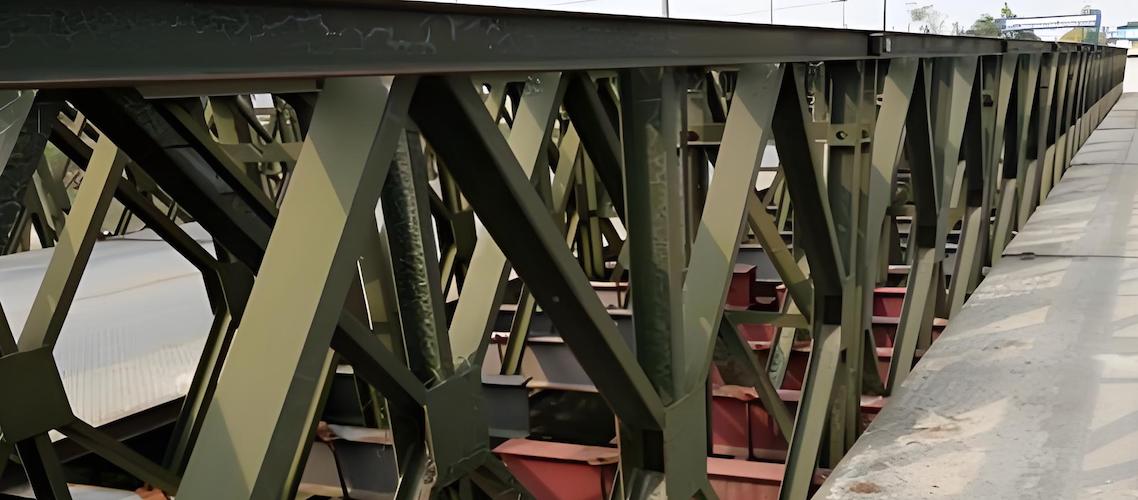
Bailey bridges are a type of portable, pre-fabricated truss bridge that can be assembled quickly and easily. Originally designed during World War II for military use, these bridges have become popular for both temporary and permanent applications in civilian infrastructure. Their versatility, strength, and ease of installation make them an ideal choice for various scenarios, including emergency situations, rural access, and even as permanent structures. However, like any engineering structure, Bailey bridges require regular maintenance to ensure their longevity and safety. This article will explore the maintenance requirements for Bailey bridges, focusing on inspection, repair, and overall upkeep.
The Bailey bridge was developed in the early 1940s by Sir Donald Bailey, a British engineer. Its design allows for rapid assembly and disassembly, making it particularly useful in military operations where speed is crucial. The bridge consists of modular components that can be transported easily and assembled on-site without the need for heavy machinery. The standard Bailey bridge is made of steel, which provides excellent strength-to-weight ratios. This innovative design not only facilitated quick deployment in combat zones but also laid the groundwork for modern modular bridge construction techniques. The adaptability of the Bailey bridge has led to its use in various civil engineering projects, showcasing its enduring relevance in today's infrastructure landscape.
Bailey bridges are used in various applications, including temporary crossings for military operations, emergency relief efforts after natural disasters, permanent solutions for rural and remote areas, and pedestrian walkways and access routes. Their adaptability to different environments and load requirements makes them a valuable asset in civil engineering. For instance, in disaster-stricken areas, Bailey bridges can be deployed swiftly to restore connectivity, allowing for the transport of aid and resources. Additionally, their lightweight design enables them to be installed in locations where traditional bridges would be impractical due to logistical constraints. This versatility has made Bailey bridges a go-to solution for engineers facing unique challenges in infrastructure development.
The primary reason for maintaining a Bailey bridge is to ensure the safety of its users. Over time, environmental factors, wear and tear, and load stresses can compromise the structural integrity of the bridge. Regular maintenance helps identify potential issues before they become serious problems, thereby preventing accidents and ensuring safe passage. Safety inspections are not only crucial for the physical integrity of the bridge but also for public confidence in the infrastructure. When users know that a bridge is regularly maintained and inspected, it fosters a sense of security and trust in the transportation system. This is particularly important in areas where the bridge serves as a critical link for emergency services and daily commuters.
Proper maintenance can significantly extend the lifespan of a Bailey bridge. By addressing minor issues promptly, the need for major repairs or complete replacements can be minimized. This not only saves money in the long run but also reduces the disruption caused by bridge closures. The financial implications of maintaining a bridge are substantial; proactive maintenance can prevent costly emergency repairs and extend the service life of the structure. Furthermore, a well-maintained bridge can enhance the overall aesthetic of the area, contributing positively to the community's image and potentially increasing property values nearby.
Many regions have specific regulations regarding the maintenance of bridges, including Bailey bridges. Regular inspections and maintenance ensure compliance with these regulations, helping to avoid legal issues and potential fines. Compliance is not just about adhering to laws; it also reflects a commitment to public safety and responsible engineering practices. Regulatory bodies often require detailed documentation of maintenance activities, which can serve as a valuable resource for future planning and funding requests. By staying compliant, bridge operators can also access government grants and support for infrastructure improvements, further enhancing the bridge's condition and safety.
One of the most critical aspects of maintaining a Bailey bridge is conducting regular inspections. These inspections should be performed by qualified personnel who can assess the bridge's condition accurately. Regular inspections are essential for identifying potential issues early, allowing for timely interventions that can prevent more significant problems down the line.
Visual inspections should be conducted frequently, ideally every few months. Inspectors should look for signs of wear, corrosion, and structural damage. Key areas to examine include truss connections, decking and surface conditions, support structures, and expansion joints. During these inspections, it is crucial to document any findings meticulously, as this information will guide future maintenance efforts. Inspectors should also be trained to recognize subtle signs of distress that may indicate underlying issues, such as unusual wear patterns or changes in alignment.
In addition to visual inspections, more detailed inspections should be performed at least once a year. These inspections may involve non-destructive testing methods to assess the integrity of the materials, load testing to ensure the bridge can handle expected traffic, and detailed examination of critical components, such as welds and joints. Detailed inspections provide a comprehensive understanding of the bridge's condition, allowing engineers to make informed decisions about necessary repairs or reinforcements. Advanced technologies, such as ultrasonic testing and infrared thermography, can be employed to detect hidden flaws that are not visible to the naked eye, enhancing the overall effectiveness of the inspection process.
Regular cleaning is essential to maintain the integrity of a Bailey bridge. Dirt, debris, and vegetation can accumulate on the bridge, leading to moisture retention and corrosion. Cleaning should include removing debris from the deck and truss, clearing drainage systems to prevent water buildup, and inspecting and cleaning expansion joints. A clean bridge not only looks better but also functions more effectively, as debris can obstruct drainage and lead to water pooling, which accelerates corrosion. Additionally, regular cleaning can help identify other maintenance needs, such as areas where paint may be peeling or where rust is beginning to form, allowing for proactive measures to be taken.
Since Bailey bridges are typically made of steel, they are susceptible to corrosion. To combat this, several maintenance practices should be implemented. Corrosion protection is a critical aspect of bridge maintenance, as it directly impacts the structural integrity and safety of the bridge.
Applying protective coatings to the steel components can significantly reduce the risk of corrosion. These coatings should be inspected regularly and reapplied as necessary. Common types of coatings include paint systems designed for steel structures and galvanization, which involves coating steel with zinc. The choice of coating depends on the environmental conditions the bridge is exposed to, such as humidity, salinity, and temperature fluctuations. In coastal areas, for example, more robust coatings may be required to withstand the corrosive effects of saltwater.
In some cases, cathodic protection systems may be installed to prevent corrosion. This method involves using sacrificial anodes or impressed current systems to protect the steel from electrochemical reactions that cause corrosion. Cathodic protection is particularly effective in environments where moisture levels are high, as it provides an additional layer of defense against corrosion. Regular monitoring of these systems is essential to ensure their effectiveness and to replace anodes as they become depleted.
Over time, even with regular maintenance, some components of a Bailey bridge may require repair or replacement. Common issues that may necessitate repairs include cracks and fractures, joint repairs, and wear on the decking. Addressing these issues promptly is crucial to maintaining the bridge's safety and functionality.
Cracks in the steel components can develop due to fatigue or excessive loading. These cracks should be monitored closely, and if they exceed acceptable limits, repairs should be made immediately. Repair methods may include welding to fill cracks and reinforcing affected areas with additional steel plates. Engineers should also investigate the root cause of the cracks to prevent recurrence, which may involve analyzing load patterns and environmental factors.
The connections between truss members are critical for the overall stability of the bridge. If these joints show signs of wear or damage, they must be repaired promptly. This may involve replacing damaged bolts or pins and reinforcing joints with additional materials. Proper joint maintenance is essential, as failures in these areas can lead to catastrophic structural failures. Regular inspections should focus on joint integrity, and any signs of movement or misalignment should be addressed immediately.
Proper load management is essential for the longevity of a Bailey bridge. Overloading can lead to structural failure, so it is crucial to adhere to the load limits specified by the manufacturer. Regular assessments of traffic patterns and load distributions can help ensure that the bridge is not subjected to excessive stress. Load management strategies may include implementing weight restrictions, monitoring traffic flow, and using signage to inform drivers of load limits. Additionally, periodic load testing can help verify that the bridge can safely accommodate expected traffic volumes.
Maintaining accurate records of inspections, repairs, and maintenance activities is vital for effective bridge management. Documentation should include dates of inspections and maintenance activities, findings from inspections, including any issues identified, and records of repairs made and materials used. This information is invaluable for future maintenance planning and can help identify trends in the bridge's condition over time. A well-organized maintenance log can also facilitate communication among maintenance teams and provide a historical record that can be useful for audits and compliance checks.
Bailey bridges are a versatile and effective solution for various transportation needs. However, their longevity and safety depend heavily on regular maintenance and inspections. By implementing a comprehensive maintenance program that includes regular inspections, cleaning, corrosion protection, structural repairs, load management, and thorough documentation, the lifespan of a Bailey bridge can be significantly extended. Ensuring the safety of users and compliance with regulations should always be the top priority for those responsible for maintaining these essential structures. As infrastructure demands continue to evolve, the importance of maintaining reliable and safe bridges like the Bailey will only grow, underscoring the need for ongoing investment in maintenance and engineering best practices.
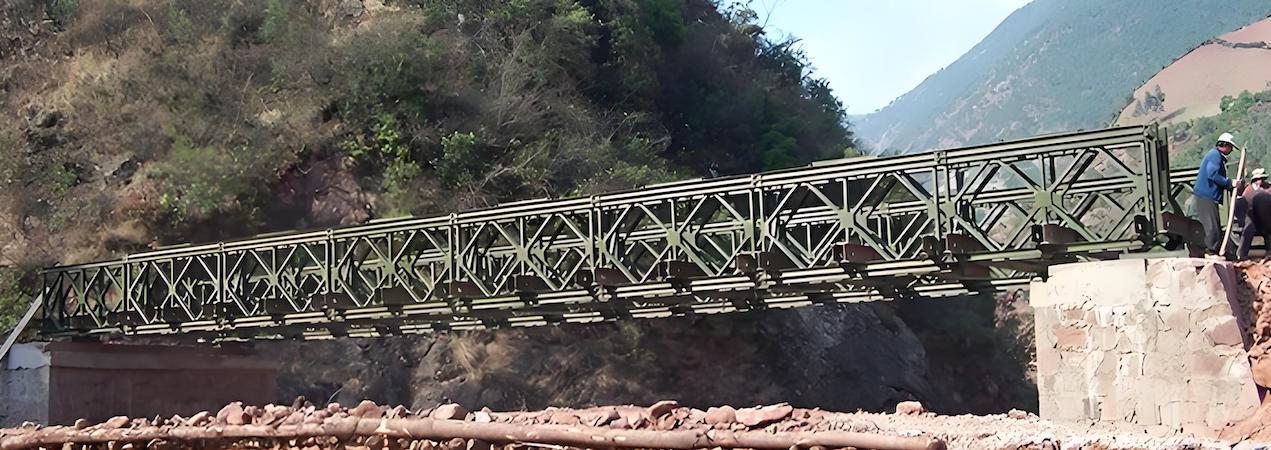
Bailey bridge failures can occur due to several factors, including:
Overloading: Exceeding the specified load limits can lead to structural failure.
Corrosion: Lack of proper maintenance and protective coatings can result in significant corrosion of steel components.
Fatigue: Repeated stress from traffic can cause fatigue cracks, especially in high-stress areas like joints.
Poor Maintenance: Inadequate inspections and repairs can allow minor issues to escalate into major failures.
Environmental Factors: Extreme weather conditions, such as heavy rain or snow, can affect the bridge's structural integrity.
Load testing should be performed at least once every two to five years, depending on the bridge's usage, age, and condition. Additionally, load testing may be required after significant repairs, modifications, or if there are concerns about the bridge's structural integrity due to observed damage or excessive wear.
Best practices for training personnel include:
Comprehensive Training Programs: Develop training programs that cover inspection techniques, maintenance procedures, and safety protocols.
Hands-On Experience: Provide practical training opportunities where personnel can learn to identify issues and perform repairs under supervision.
Regular Refresher Courses: Conduct periodic refresher courses to keep personnel updated on new technologies, materials, and best practices in bridge maintenance.
Certification: Encourage personnel to obtain certifications from recognized organizations in bridge inspection and maintenance.
Mentorship: Pair less experienced staff with seasoned professionals to facilitate knowledge transfer and skill development.
Bailey bridges require two main types of inspections:
Visual Inspections: Conducted regularly (every few months) to identify visible signs of wear, corrosion, and structural damage.
Detailed Inspections: Performed at least annually, involving non-destructive testing methods, load testing, and thorough examinations of critical components like joints and trusses.
Corrosion prevention strategies include:
Protective Coatings: Applying high-quality paint systems or galvanization to steel components to create a barrier against moisture and corrosive elements.
Regular Cleaning: Keeping the bridge clean to remove debris and contaminants that can trap moisture and promote corrosion.
Cathodic Protection: Installing cathodic protection systems to mitigate electrochemical corrosion, especially in environments with high moisture levels.
Routine Inspections: Conducting regular inspections to identify early signs of corrosion and address them promptly.


